Intelectual Property (Chapter 4)
Summary
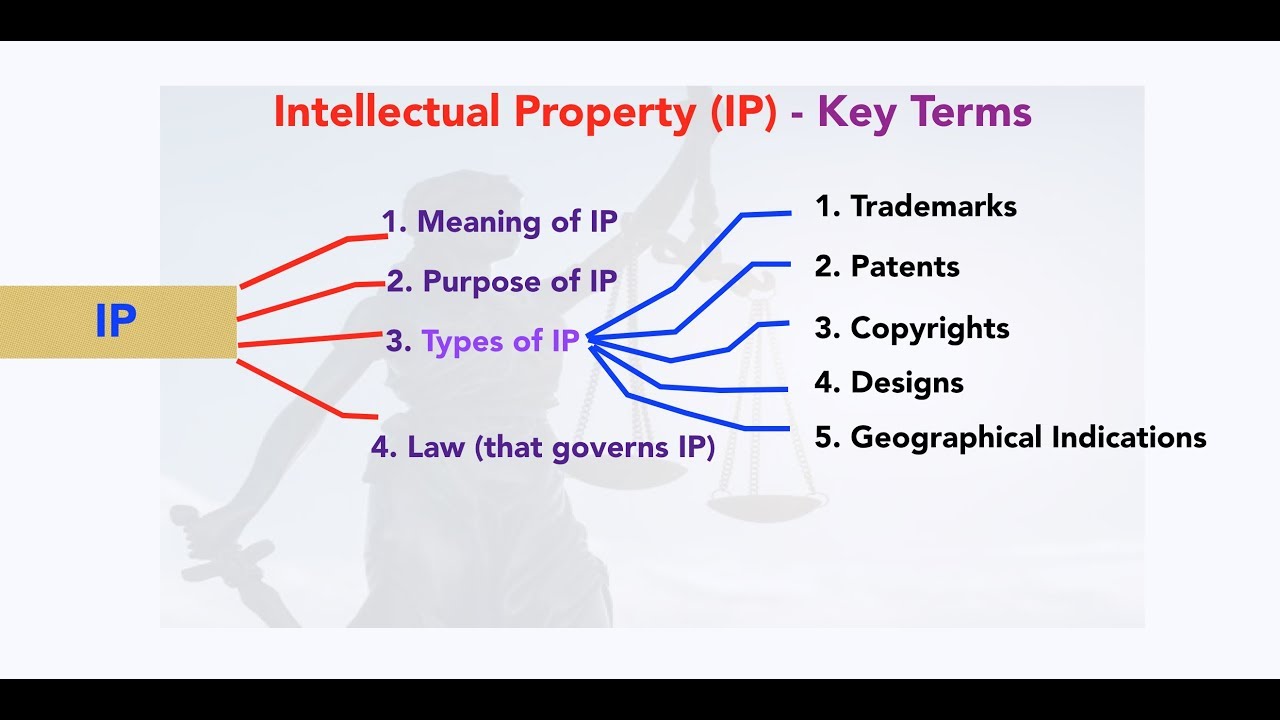
TLDRIntellectual property (IP) represents intangible assets crucial for business growth, offering protection and exclusive rights to creators and companies. Key forms of IP include trademarks, which distinguish goods and services; copyrights, safeguarding creative works; patents, providing exclusivity for inventions; and trade secrets, which protect confidential business information. Effective IP management fosters innovation, supports fair competition, and enhances company value. As global digital technology increases the risks of IP infringement, companies must implement protective measures to secure their assets and maintain a competitive edge.
Takeaways
- 💡 Intellectual property (IP) refers to intangible assets that provide significant economic value to companies.
- 🛡️ IP protection grants creators and owners exclusive rights over their works, innovations, and business identities.
- 🚀 Effective IP management encourages creativity, innovation, and fair competition while supporting economic growth.
- 🏢 In modern economies, IP can be more valuable than physical assets, making it a strategic component of corporate planning.
- ™️ Trademarks differentiate a company's goods or services, protect brand reputation, and can increase in value over time.
- 📚 Copyright protects original creative works, including literature, art, music, software, and other expressions, often automatically upon creation.
- 💻 Digital technology has amplified the need for copyright protection due to rapid reproduction and global distribution of works.
- 🧪 Patents protect new inventions by granting a time-limited monopoly, encouraging technological innovation and investment recovery.
- 🔒 Trade secrets protect confidential business information and can provide indefinite competitive advantage if secrecy is maintained.
- ⚖️ Different IP types serve unique purposes, and businesses must combine legal, technological, and strategic measures to maximize protection and value.
Q & A
What is intellectual property (IP) and why is it important for businesses?
-Intellectual property refers to intangible assets that provide economic value to a company. It is important because it grants exclusive rights to creators or owners, encourages innovation and creativity, safeguards business interests, and promotes economic growth.
How does IP protection benefit research and development (R&D)?
-IP protection provides legal certainty and exclusive rights that incentivize companies to invest in R&D. It allows them to recover costs and secure competitive advantages, encouraging continued innovation.
What is a trademark and what does it protect?
-A trademark is a distinctive sign, such as a name, logo, symbol, slogan, or design, that differentiates a company's goods or services from competitors. It protects the company's brand identity and prevents unauthorized use or counterfeiting.
Why is trademark protection crucial for a company's reputation?
-Trademarks are closely linked to a company's reputation and consumer trust. Infringement can harm commercial value, while strong trademarks enhance brand recognition and goodwill.
What types of works are protected under copyright?
-Copyright protects original works in literature, art, music, software, and other creative expressions. It grants exclusive rights to reproduce, distribute, display, perform, and create derivative works.
How has digital technology impacted copyright protection?
-Digital technology has increased opportunities for global distribution but also heightened risks of unauthorized copying. Companies must use digital rights management and licensing agreements to safeguard their creative assets.
What are the main requirements for an invention to be patented?
-An invention must meet legal requirements of novelty, inventive step, and industrial applicability. The inventor receives a time-limited monopoly in exchange for publicly disclosing technical details.
What is the strategic role of patents in business?
-Patents provide competitive advantages, enable recovery of R&D costs, and attract investors by granting exclusive market opportunities. They also encourage technological innovation in key industries.
What defines a trade secret and how is it protected?
-A trade secret is confidential business information with economic value, such as product formulas or marketing strategies. Protection relies on maintaining secrecy through NDAs, confidentiality clauses, and information security measures.
How do trade secrets differ from patents?
-Unlike patents, trade secrets do not require formal registration and can potentially last indefinitely as long as secrecy is maintained. Patents require public disclosure and have a limited duration.
Why is IP management considered a strategic component of corporate planning?
-Because IP often represents a company's most valuable assets, managing it effectively supports long-term competitiveness, ensures legal protection, and maximizes economic and commercial value.
How does IP protection balance exclusivity and societal benefit?
-Patents provide temporary exclusive rights to inventors while requiring public disclosure of the invention. Once the patent expires, the invention enters the public domain, allowing wider societal access and further innovation.
Outlines

Esta sección está disponible solo para usuarios con suscripción. Por favor, mejora tu plan para acceder a esta parte.
Mejorar ahoraMindmap

Esta sección está disponible solo para usuarios con suscripción. Por favor, mejora tu plan para acceder a esta parte.
Mejorar ahoraKeywords

Esta sección está disponible solo para usuarios con suscripción. Por favor, mejora tu plan para acceder a esta parte.
Mejorar ahoraHighlights

Esta sección está disponible solo para usuarios con suscripción. Por favor, mejora tu plan para acceder a esta parte.
Mejorar ahoraTranscripts

Esta sección está disponible solo para usuarios con suscripción. Por favor, mejora tu plan para acceder a esta parte.
Mejorar ahora




5.0 / 5 (0 votes)

