“Vitaly Ruined My Life!” Akash Breaks Silence On Being Falsely Accused & Doxxed On Livestream
Summary
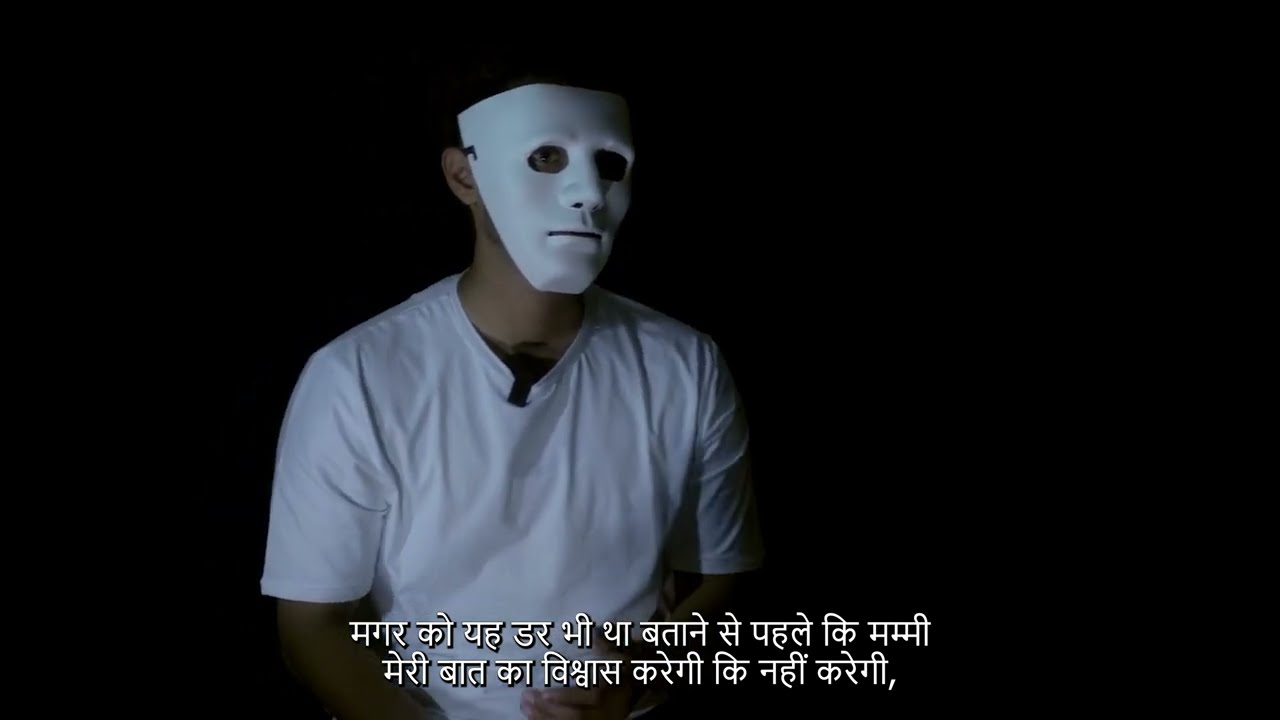
TLDRA man recounts a traumatic experience where he was falsely accused of being a predator during a live stream watched by tens of thousands. Despite immediately cooperating with police and being proven innocent within hours, the accusation spread rapidly online, leading to harassment, racism, threats, and damage to his reputation and personal life. He describes the emotional toll, fear for his safety, and the overwhelming impact on his family and future. While grateful for support and swift exoneration, he highlights the dangers of reckless public accusations and emphasizes the importance of due process, accountability, and helping others who are wrongfully accused.
Takeaways
- 😀 Immediate action matters: Calling the police right away was crucial in proving Akos' innocence.
- 😀 Family support is vital: His parents defended him and provided emotional and practical assistance throughout the ordeal.
- 😀 Online harassment can escalate quickly: Personal information and business details were exposed publicly during a livestream.
- 😀 Mental health precautions are important: Akos prioritized safety and hired security due to threats and public scrutiny.
- 😀 Public perception can be misleading: Even after being proven innocent, some people doubted him and spread hate.
- 😀 False accusations have long-term consequences: Professional and personal relationships can be affected even after vindication.
- 😀 Ethical accountability is necessary: The interviewer criticizes content creators who exploit accusations without proper verification or procedure.
- 😀 Support networks matter: Friends, family, and the online community provided encouragement and reassurance during the crisis.
- 😀 Turning adversity into purpose: Akos encourages donations to the Innocence Project to help others falsely accused.
- 😀 Personal identity and normalcy are important: Despite public exposure, Akos emphasizes his business, family, faith, and privacy as core values.
- 😀 Fame and unwanted attention can be stressful: Being thrust into the spotlight was unplanned and significantly disruptive.
- 😀 Proper documentation prevents injustice: Recording evidence and following due process were key to clearing his name quickly.
Q & A
What triggered Akos to call the police during the incident?
-Akos called the police because he was falsely accused of a serious crime online, and he realized that the accuser was physically threatening him and publicly exposing his personal information.
How did Akos' parents support him during the ordeal?
-His parents were fully supportive, reassuring him of their love and pride, defending him against false accusations, and valuing his decision to involve law enforcement rather than confronting the situation alone.
What role did evidence, like the audio recording, play in proving his innocence?
-The audio recording of the police call was pivotal in proving his innocence quickly, allowing law enforcement to validate that he had done nothing wrong, which helped clear him publicly within hours.
How did the public react to the false accusations against Akos?
-The public reaction was mixed: some offered support and defended him, while others sent hate, threats, and racist messages. Despite being proven innocent, the viral nature of the accusations created long-lasting visibility and scrutiny.
What criticism does Akos offer about online vigilantism?
-Akos critiques online predator-hunting methods for prioritizing virality over proper verification and due process, often using public shaming, coercion, or manipulative tactics that rarely lead to legal accountability.
What impact did the viral incident have on Akos’ personal and professional life?
-Even after proving his innocence, Akos expressed concerns about how the incident could affect future relationships and professional opportunities because search results prominently feature the false accusation.
How does Akos propose using his experience for positive outcomes?
-Akos wants to turn his experience into something beneficial by encouraging donations to the Innocence Project and raising awareness about the challenges faced by wrongfully accused individuals.
Why does Akos reject donations or crowdfunding in his name?
-He does not want personal financial gain from the incident and emphasizes that any support should go to organizations like the Innocence Project that help wrongfully accused people.
What does Akos identify as his core values and what he wants to be known for?
-Akos wants to be recognized for his business (vending machines), family, faith, ethics, and privacy. He emphasizes being a normal, ethical person rather than a public figure or viral sensation.
What lessons did Akos learn about resilience and faith from this ordeal?
-He reflected that difficult challenges test a person’s strength, emphasizing gratitude, good faith, and using adversity to positively impact others, aspiring to prevent similar hardships for other innocent individuals.
Outlines

Esta sección está disponible solo para usuarios con suscripción. Por favor, mejora tu plan para acceder a esta parte.
Mejorar ahoraMindmap

Esta sección está disponible solo para usuarios con suscripción. Por favor, mejora tu plan para acceder a esta parte.
Mejorar ahoraKeywords

Esta sección está disponible solo para usuarios con suscripción. Por favor, mejora tu plan para acceder a esta parte.
Mejorar ahoraHighlights

Esta sección está disponible solo para usuarios con suscripción. Por favor, mejora tu plan para acceder a esta parte.
Mejorar ahoraTranscripts

Esta sección está disponible solo para usuarios con suscripción. Por favor, mejora tu plan para acceder a esta parte.
Mejorar ahoraVer Más Videos Relacionados


5.0 / 5 (0 votes)

