Sejarah Kelas 11: Perlawanan Rakyat terhadap Pendudukan Jepang - Perlawanan Bersenjata
Summary
TLDRThis video script details Indonesia's armed resistance against Japanese occupation during World War II, highlighting various uprisings led by key figures such as Teku Abdul Jalil in Aceh, KH Zainal Mustafa in Sukamanah, and Supriadi in Blitar. The resistance was fueled by oppression, forced labor, and disrespect for religious beliefs, including the controversial Seikere bow. Despite being outmatched, these leaders and their followers fought back using guerrilla tactics and direct confrontations. The script emphasizes the lasting impact of these movements on Indonesia's fight for independence, showcasing the courage and unity of the people.
Takeaways
- 💥 Armed resistance by Indonesians against Japanese occupation was a direct response to oppression, cruelty, and forced labor policies.
- 🕌 Religious leaders like Teku Abdul Jalil in Aceh and KH Zainal Mustafa in West Java led armed uprisings motivated by defending Islamic principles against Japanese-imposed Seikerei.
- ⚔️ Peasant communities resisted forced labor and excessive rice requisition, as seen in Indramayu, where people preferred to fight rather than starve under Japanese rule.
- 🌳 Guerrilla tactics were widely employed in remote areas, including West Kalimantan under Pangsuma and Papua under Elrum Korem and Silas Papare, leveraging local terrain and limited weaponry.
- 👥 The resistance involved two main groups: community leaders (religious and tribal) and military-trained personnel, such as PETA soldiers, who were skilled in armed combat.
- 📜 PETA (Pembela Tanah Air) soldiers rebelled due to witnessing Japanese atrocities and the suffering of forced laborers (Rōmusha), with uprisings occurring in Aceh, Cilacap, and Blitar.
- 🔥 Major PETA resistance, like Supriadi's in Blitar, demonstrated organized armed operations with full military equipment, though ultimately suppressed by superior Japanese forces.
- 💀 Many leaders and participants of these uprisings were captured, executed, or died in combat, highlighting the high human cost of resistance under Japanese occupation.
- 🤝 Some uprisings involved negotiations or deceptive tactics, such as Colonel Katagiri's ruse in Blitar, showing Japanese use of psychological strategies alongside military power.
- 🌏 Despite failures in many regions, these armed resistances fostered national unity, strengthened the spirit of independence, and contributed to Indonesia’s path toward eventual freedom.
Q & A
What were the main reasons behind the armed resistance of the Indonesian people against the Japanese during their occupation?
-The main reasons for the armed resistance included the imposition of harsh Japanese policies such as forced labor (Romusa), the confiscation of agricultural products, and the introduction of foreign customs like the 'seikerei' (bowing to the rising sun), which conflicted with Islamic teachings. These injustices, along with widespread violence and oppression, led many Indonesians to take up arms against the Japanese.
Who was Tuku Abdul Jalil, and what role did he play in the resistance in Aceh?
-Tuku Abdul Jalil was a young Islamic cleric who led an armed resistance against the Japanese in Aceh. His revolt was sparked by the Japanese imposition of the 'seikerei' ritual, which was considered a form of idolatry in Islam. His group, consisting of locals and religious students, initially repelled Japanese forces but was eventually overrun, leading to his death during a prayer.
What was the significance of the resistance led by KH Zainal Mustafa in West Java?
-KH Zainal Mustafa led a significant resistance in Sukamanah, West Java, against the Japanese due to their forced labor system (Romusa) and their disrespectful cultural impositions. His resistance grew after Japanese emissaries were mistreated by his followers, and though his group was eventually defeated, the movement symbolized the deep discontent with Japanese rule.
How did the forced labor system (Romusa) affect the Indonesian people, and why was it a key factor in the resistance?
-The Romusa system forced Indonesians to work under harsh conditions in various parts of Southeast Asia, with little regard for their well-being. Many died from disease, exhaustion, or mistreatment. This system led to widespread resentment and motivated uprisings like those in Sukamanah and Indramayu, where the local populations protested against the exploitation of their labor.
What were the strategies used by the Indonesian resistance in their armed uprisings?
-The Indonesian resistance often used guerrilla tactics, including ambushes and surprise attacks, making use of local knowledge of the terrain. They primarily fought with basic weapons such as swords, spears, and bamboo sticks, but in some cases, they also used firearms when available. Their aim was not only to resist the Japanese but also to maintain morale and unity among the Indonesian people.
What role did the PETA (Defenders of the Homeland) play in the Indonesian resistance?
-PETA, a military unit formed by the Japanese but composed of Indonesians, played a crucial role in the resistance when many of its members turned against their Japanese commanders. PETA soldiers, who were familiar with military tactics, launched their own attacks against the Japanese. Despite being outnumbered and outgunned, their actions were significant in the larger context of Indonesia's struggle for independence.
Why did the resistance movements in areas like Kalimantan and Papua face significant challenges?
-Resistance movements in Kalimantan and Papua faced challenges due to the difficult terrain and the presence of Japanese spies among the local population. In Kalimantan, the guerilla warfare tactics used by leaders like Pangsuma were undermined by betrayals and a lack of resources. In Papua, despite the fierce resistance of the Koreri movement led by Elrum Korem, the Japanese forces were able to deploy overwhelming firepower, making it hard for the resistance to maintain momentum.
What was the impact of the Blitar uprising led by Supriadi?
-The Blitar uprising, led by Supriadi, was one of the largest and most significant rebellions during the Japanese occupation. Despite its initial success, it was ultimately suppressed after intense fighting. However, it demonstrated the willingness of the Indonesian people to rise up and was a precursor to the larger independence movement that would unfold after the war.
How did the defeat of Indonesian resistance movements affect the broader independence struggle?
-Although the armed uprisings were largely unsuccessful in directly expelling the Japanese, they contributed significantly to the growth of Indonesian nationalism. These movements helped foster a spirit of unity and resistance, which laid the groundwork for the eventual fight for independence after Japan's defeat in World War II.
What were the long-term effects of the Indonesian resistance against the Japanese on the country's path to independence?
-The long-term effects included the strengthening of national unity and identity among the Indonesian people. The resistance inspired future generations and played a key role in shaping the Indonesian independence movement. The courage and sacrifices made during these uprisings reinforced the resolve to seek freedom from colonial rule, ultimately leading to Indonesia's independence in 1945.
Outlines

Esta sección está disponible solo para usuarios con suscripción. Por favor, mejora tu plan para acceder a esta parte.
Mejorar ahoraMindmap

Esta sección está disponible solo para usuarios con suscripción. Por favor, mejora tu plan para acceder a esta parte.
Mejorar ahoraKeywords

Esta sección está disponible solo para usuarios con suscripción. Por favor, mejora tu plan para acceder a esta parte.
Mejorar ahoraHighlights

Esta sección está disponible solo para usuarios con suscripción. Por favor, mejora tu plan para acceder a esta parte.
Mejorar ahoraTranscripts

Esta sección está disponible solo para usuarios con suscripción. Por favor, mejora tu plan para acceder a esta parte.
Mejorar ahoraVer Más Videos Relacionados

Historypedia#6 : Rakyat Indonesia melawan Tentara Jepang
Pengerahan dan Penindasan 🇯🇵 Versus Perlawanan 🇮🇩

Perlawanan Rakyat Aceh dan Singaparna terhadap Jepang || Sejarah Indonesia
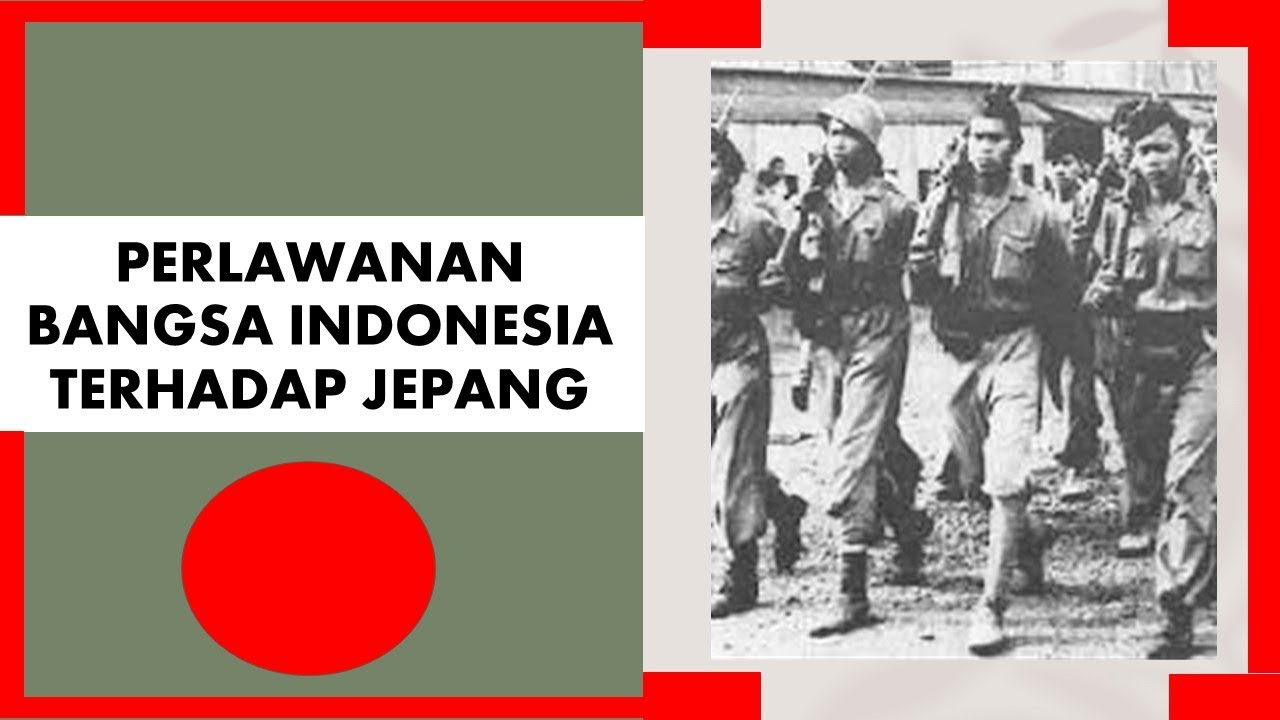
Perlawanan Bangsa Indonesia terhadap Jepang

PERANG MELAWAN TIRANI (JEPANG)

Perlawanan Rakyat Aceh terhadap Jepang | Tugas Sejarah Indonesia | XI MIPA 2
5.0 / 5 (0 votes)

