How to Set a Budget and Stick to It
Summary
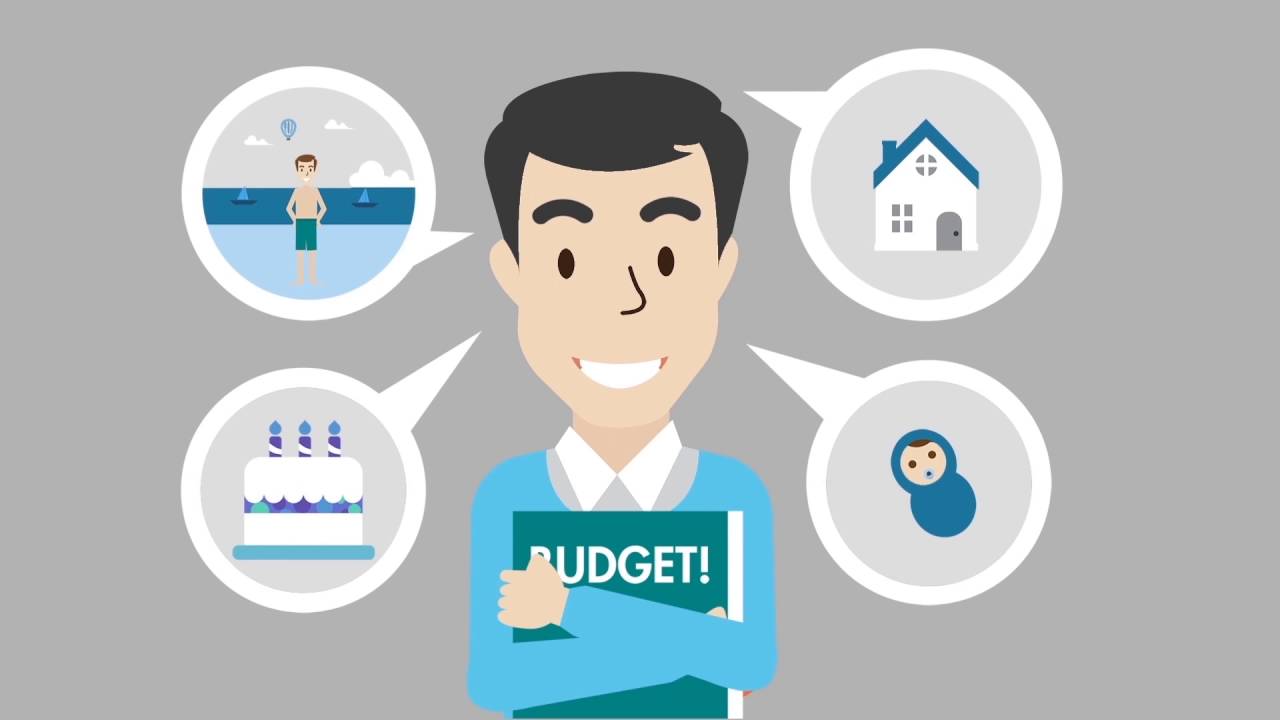
TLDRCreating a budget is a powerful way to manage your finances and reduce stress. Start by setting a goal and making a plan with six key steps: 1) Know your net income, 2) Identify fixed monthly expenses, 3) Track variable expenses, 4) Prioritize your needs, 5) Monitor your spending, and 6) Keep track of expenses using tools like spreadsheets or apps. By sticking to these steps and reviewing your budget regularly, you'll be able to make adjustments, control your spending, and ultimately save more money for the things you truly value.
Takeaways
- 😀 Know your net income, not just your salary, to create an accurate budget.
- 😀 Identify your fixed monthly expenses like rent, mortgage, and insurance.
- 😀 Set aside a safety net for emergency expenses like car repairs or medical bills.
- 😀 Account for variable expenses, including utilities and groceries, that change month to month.
- 😀 Prioritize necessary expenses over 'nice-to-haves' to find unnecessary spending.
- 😀 Track your spending regularly to avoid going over budget, especially with credit cards.
- 😀 Use tools like budgeting apps or spreadsheets to keep track of expenses efficiently.
- 😀 Keep your income and expenses up-to-date to maintain an accurate budget.
- 😀 After a few months, analyze spending patterns to find areas to cut back.
- 😀 Use online resources and sites to help analyze your budget and financial habits.
- 😀 Creating a budget takes time and discipline, but the rewards are worth it in the long run.
Q & A
Why is it important to base your budget on net income instead of salary?
-Your budget should be based on your net income (after taxes, insurance, and other deductions) because that's the actual amount of money you have available to spend each month. Using your gross salary could lead to overestimating your spending ability.
What are fixed expenses, and can you give examples?
-Fixed expenses are regular, predictable costs that stay mostly the same each month. Examples include rent or mortgage payments, car payments, insurance, and student loans.
How do you determine which expenses are flexible or variable?
-Flexible or variable expenses are those that change depending on usage. These can include phone bills, utilities, and groceries, which can fluctuate from month to month.
What is the significance of ranking expenses by importance when creating a budget?
-Ranking expenses helps you distinguish between 'need-to-haves' and 'nice-to-haves,' ensuring that you focus your spending on essential items first, while trimming down on non-essentials like extra subscriptions or luxury purchases.
Why should you track your spending regularly?
-Tracking your spending regularly helps you stay within your budget and ensures you're aware of where your money is going. Small, untracked expenses can easily add up, so regular checks keep your spending under control.
What are some tools you can use to track your expenses?
-You can track your expenses using methods like pen and paper, a spreadsheet, or budgeting apps. Many banks also offer online banking tools that include budgeting features to help with expense tracking.
What role does reviewing your budget monthly play in managing finances?
-Reviewing your budget each month allows you to ensure you're staying on track with your spending, make adjustments where necessary, and spot patterns that could help you save more or cut down on unnecessary costs.
What is meant by having a safety net for fixed expenses?
-A safety net refers to having emergency funds set aside to cover fixed expenses in case of unexpected situations, such as an urgent home repair or a medical emergency, preventing you from falling behind on payments.
How do you balance your budget after a few months?
-After a few months of tracking your income and expenses, you can analyze your spending patterns and adjust your budget. You may find areas where you can cut costs, increase savings, or allocate money toward different priorities.
Why is setting a financial goal important when creating a budget?
-Setting a financial goal gives you something concrete to aim for, whether it's saving for a big purchase, building an emergency fund, or paying down debt. A clear goal helps motivate you to stick to your budget and stay disciplined.
Outlines

Esta sección está disponible solo para usuarios con suscripción. Por favor, mejora tu plan para acceder a esta parte.
Mejorar ahoraMindmap

Esta sección está disponible solo para usuarios con suscripción. Por favor, mejora tu plan para acceder a esta parte.
Mejorar ahoraKeywords

Esta sección está disponible solo para usuarios con suscripción. Por favor, mejora tu plan para acceder a esta parte.
Mejorar ahoraHighlights

Esta sección está disponible solo para usuarios con suscripción. Por favor, mejora tu plan para acceder a esta parte.
Mejorar ahoraTranscripts

Esta sección está disponible solo para usuarios con suscripción. Por favor, mejora tu plan para acceder a esta parte.
Mejorar ahora



5.0 / 5 (0 votes)

