Epilepsy: Types of seizures, Symptoms, Pathophysiology, Causes and Treatments, Animation.
Summary
TLDREpilepsy is a neurological disorder marked by recurrent seizures due to abnormal electrical activity in the brain. Seizures can be partial, affecting one area, or generalized, involving the whole brain, with types ranging from brief absence seizures to dramatic tonic-clonic convulsions. Causes include brain injury, genetic factors, tumors, infections, or unknown origins. Diagnosis relies on symptoms, medical history, EEG, and sometimes genetic testing. While there is no cure, seizures can often be controlled with medications, dietary therapy like the ketogenic diet, nerve stimulation, or, in specific cases, surgery to remove seizure-causing brain regions.
Takeaways
- 😀 Epilepsy is a group of neurological disorders characterized by recurrent seizures, which occur due to sudden surges in brain electrical activity.
- 😀 Seizures may cause loss of awareness, unusual behaviors, sensations, uncontrollable movements, or loss of consciousness, depending on the brain area affected.
- 😀 The brain consists of excitatory and inhibitory neurons that regulate electrical signals. A balance between the two is essential for normal brain function.
- 😀 Epilepsy results from an up-regulation of excitation or down-regulation of inhibition, leading to excessive neuron firing, often synchronously.
- 😀 Partial (focal) seizures occur when only a specific brain area is affected, while generalized seizures involve the entire brain.
- 😀 Simple partial seizures do not cause loss of consciousness, but may involve unusual feelings or jerky movements.
- 😀 Complex partial seizures involve changes in consciousness or awareness, affecting responsiveness.
- 😀 Generalized seizures include types like absence seizures, tonic seizures, atonic seizures, clonic seizures, myoclonic seizures, and tonic-clonic seizures, each with distinct symptoms.
- 😀 Tonic-clonic seizures are the most dramatic, causing muscle stiffening, jerking, loss of consciousness, and possibly bladder control loss. These require immediate medical treatment if lasting longer than 5 minutes.
- 😀 The causes of epilepsy can include brain injury, tumors, strokes, infections, birth defects, or genetic factors, though in many cases, the cause remains unknown.
- 😀 Epilepsy treatment options include medications (70% effective), ketogenic diets, nerve stimulation therapies (e.g., vagus nerve stimulation), and surgery, depending on the type of seizures and their impact on the patient.
Q & A
What is epilepsy and what characterizes it?
-Epilepsy is a group of neurological disorders characterized by recurrent seizures caused by sudden surges in brain electrical activity.
How do excitatory and inhibitory neurons affect brain activity?
-Excitatory neurons stimulate other neurons to fire, transmitting electrical signals, while inhibitory neurons suppress firing, preventing excessive electrical activity. A balance between the two is essential for normal brain function.
What causes seizures in epilepsy?
-Seizures in epilepsy are caused by an up-regulation of excitation and/or down-regulation of inhibition, leading to many neurons firing synchronously at the same time.
How are seizures classified?
-Seizures are classified as partial (focal) when they originate in a specific brain area, or generalized when they involve the entire brain. Partial seizures can be simple or complex, while generalized seizures include absence, tonic, atonic, clonic, myoclonic, and tonic-clonic types.
What differentiates simple partial from complex partial seizures?
-Simple partial seizures involve unusual sensations or movements while the patient remains conscious. Complex partial seizures involve changes or loss of consciousness and awareness.
What are tonic-clonic seizures and why are they significant?
-Tonic-clonic seizures, also called convulsive seizures, combine muscle stiffening (tonic) and jerking movements (clonic) with loss of consciousness. They are the most recognized form of seizure and may require urgent medical attention if lasting longer than 5 minutes.
What are the common causes of epilepsy?
-Epilepsy can result from brain injury, tumors, stroke, infections, birth defects, and genetic factors. In about half of cases, the cause is unknown.
How is epilepsy diagnosed?
-Diagnosis is based on observing seizure symptoms, reviewing medical history, and performing an electroencephalogram (EEG) to detect abnormal brain waves. Genetic testing may also help when hereditary factors are suspected.
What treatments are available for epilepsy?
-Treatment includes anti-epileptic medications, dietary therapy (like the ketogenic diet), nerve stimulation (such as vagus nerve stimulation), and surgery to remove seizure-causing brain regions when necessary.
How does the ketogenic diet help control seizures?
-The ketogenic diet, a high-fat, low-carbohydrate diet, shifts the body's energy source from carbohydrates to fat. This dietary change has been shown to reduce seizures in many children who do not respond to medication, although the exact mechanism is not fully understood.
What role do genetics play in epilepsy?
-Genetics can contribute to epilepsy, especially in childhood-onset generalized seizures. Multiple genes interacting with environmental factors are often involved, including genes for GABA receptors and ion channels, but single-gene causes are rare.
When is surgical intervention considered for epilepsy?
-Surgery is considered when seizures originate from a small brain area that does not control vital functions and are not adequately controlled by medication or other therapies.
Outlines

Esta sección está disponible solo para usuarios con suscripción. Por favor, mejora tu plan para acceder a esta parte.
Mejorar ahoraMindmap

Esta sección está disponible solo para usuarios con suscripción. Por favor, mejora tu plan para acceder a esta parte.
Mejorar ahoraKeywords

Esta sección está disponible solo para usuarios con suscripción. Por favor, mejora tu plan para acceder a esta parte.
Mejorar ahoraHighlights

Esta sección está disponible solo para usuarios con suscripción. Por favor, mejora tu plan para acceder a esta parte.
Mejorar ahoraTranscripts

Esta sección está disponible solo para usuarios con suscripción. Por favor, mejora tu plan para acceder a esta parte.
Mejorar ahoraVer Más Videos Relacionados

Pharmacology - Antiepileptic Drugs, Animation
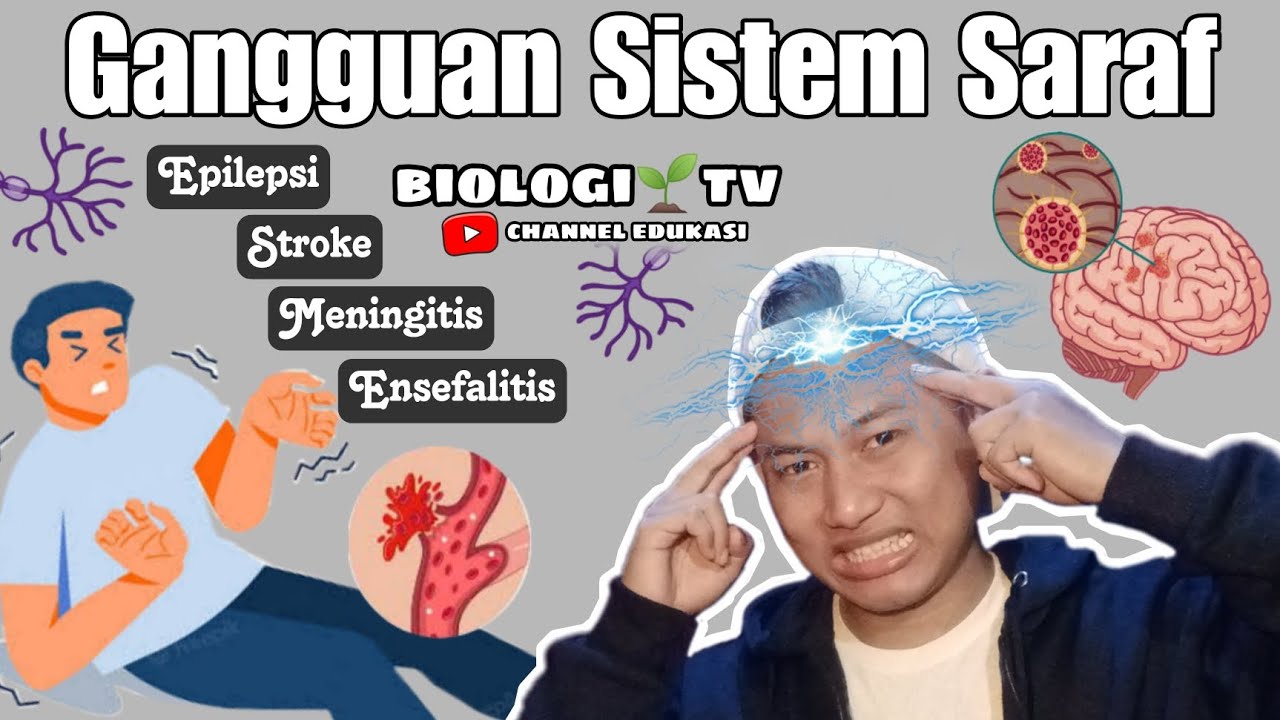
Gangguan sistem saraf - stroke, epilepsi, ensefalitis, meningitis - biologi bab.sistem saraf merdeka

EPILEPSI

EPILEPSIA (Clasificación, Síntomas y Diagnóstico)

Qual a Diferença Entre Desmaio, Convulsão e Epilepsia

Epilepsy & Seizure Disorder | Clinical Presentation
5.0 / 5 (0 votes)

