Manajemen Bencana I (Perkuliahan IX)
Summary
TLDRThe lecture delves into disaster management as an academic discipline, covering preparedness, emergency response, and post-disaster rehabilitation and reconstruction. It emphasizes key principles derived from management science, including the importance of regulations such as Indonesia's Law No. 24 of 2007. The session explains different types of disasters—natural, non-natural, and social—and highlights risk assessment, vulnerability, and early warning practices. Practical examples, such as community responses to tsunamis and volcanic eruptions, illustrate how knowledge, experience, and preparedness enable effective disaster mitigation and recovery, ultimately aiming to restore normal life swiftly and safely for affected populations.
Takeaways
- 😀 Disaster management is a discipline that is a branch of management science, focusing on planning, preparedness, response, rehabilitation, and reconstruction.
- 😀 There are three main stages in disaster management: pre-disaster (preparedness and mitigation), during the disaster (emergency response), and post-disaster (rehabilitation and reconstruction).
- 😀 Preparedness includes early warning systems and community readiness to respond effectively to potential hazards.
- 😀 Emergency response focuses on saving lives, providing logistical support, and establishing temporary shelters.
- 😀 Post-disaster actions involve rehabilitating affected individuals and infrastructure and reconstructing to restore normal conditions.
- 😀 Principles of disaster management include the ability to control, coordinate, and guide people to achieve predetermined goals.
- 😀 Indonesia’s disaster management is regulated under Law No. 24 of 2007, which outlines institutional roles, responsibilities, and coordination between central and regional governments.
- 😀 Disasters can be categorized into three types: natural (earthquakes, volcanic eruptions, landslides, tsunamis), non-natural (industrial accidents, fires), and social (conflicts between communities).
- 😀 Risk refers to the likelihood of experiencing a disaster, while vulnerability refers to groups that are less capable of coping, such as infants, the elderly, and people with limited mobility.
- 😀 Geological hazards result from the movement of Earth's plates, causing events like earthquakes, volcanic eruptions, and tsunamis.
- 😀 Community knowledge and past experience play a critical role in disaster preparedness, such as recognizing signs of impending tsunamis or volcanic activity.
Q & A
What is the main subject of the lecture discussed in the transcript?
-The main subject of the lecture is disaster management, specifically the process of planning and responding to different types of disasters, such as natural, non-natural, and social disasters.
What are the three main aspects of disaster planning mentioned in the lecture?
-The three main aspects of disaster planning mentioned are: 1) Preparedness, mitigation, and early warning systems before a disaster, 2) Emergency response during a disaster, focusing on swift and accurate actions, 3) Post-disaster recovery, which includes rehabilitation and reconstruction efforts.
Why is disaster management considered a distinct academic discipline?
-Disaster management is considered a distinct academic discipline because it is comprehensive, covering various aspects such as logistics, human resources, financial support, and recovery plans, all aimed at minimizing the impact of disasters and restoring normalcy.
How does the law in Indonesia regulate disaster management?
-In Indonesia, disaster management is regulated by a series of laws and regulations, including the Disaster Management Law No. 24 of 2007. This law sets the framework for disaster management, detailing the roles of various government agencies and responsibilities at the national and regional levels.
What are the key differences between natural, non-natural, and social disasters?
-Natural disasters are caused by natural phenomena, such as earthquakes or volcanic eruptions. Non-natural disasters result from human activities, like industrial accidents or health crises. Social disasters arise from conflicts between people or groups, leading to significant human suffering.
What is the significance of early warning systems in disaster management?
-Early warning systems are crucial in disaster management as they allow people to be alerted in advance, enabling them to take action and save lives. For example, people living near coasts or volcanoes can evacuate or take preventive measures when they receive warning signals.
What role does risk and vulnerability play in disaster management?
-Risk refers to the potential threat posed by a disaster, while vulnerability refers to the susceptibility of people or regions to harm. Disaster management focuses on reducing risk and enhancing the resilience of vulnerable populations, such as the elderly or those in high-risk areas.
How does the concept of 'vulnerability' apply to different population groups in disaster scenarios?
-Vulnerability applies to groups such as infants, the elderly, or individuals with limited mobility, as they may struggle to respond quickly in disaster situations. These groups are at higher risk and need prioritized support during emergencies.
What is the relationship between geological hazards and disasters?
-Geological hazards, such as earthquakes and volcanic eruptions, occur due to tectonic activity, like the shifting of Earth's plates. These events can lead to disasters, such as tsunamis or landslides, which require specific disaster response strategies.
Why is rehabilitation and reconstruction important after a disaster?
-Rehabilitation and reconstruction are vital in restoring affected communities to their pre-disaster state, both physically and psychologically. This includes rebuilding infrastructure, homes, and providing mental health support to those affected by the trauma of the disaster.
Outlines

Esta sección está disponible solo para usuarios con suscripción. Por favor, mejora tu plan para acceder a esta parte.
Mejorar ahoraMindmap

Esta sección está disponible solo para usuarios con suscripción. Por favor, mejora tu plan para acceder a esta parte.
Mejorar ahoraKeywords

Esta sección está disponible solo para usuarios con suscripción. Por favor, mejora tu plan para acceder a esta parte.
Mejorar ahoraHighlights

Esta sección está disponible solo para usuarios con suscripción. Por favor, mejora tu plan para acceder a esta parte.
Mejorar ahoraTranscripts

Esta sección está disponible solo para usuarios con suscripción. Por favor, mejora tu plan para acceder a esta parte.
Mejorar ahoraVer Más Videos Relacionados

TOPIK 2 SIKLUS MANAJEMEN BENCANA

Mitigasi Bencana

Animasi Rehabilitasi & Rekonstruksi (Bahasa Indonesia)

MANAJEMEN BENCANA (Video 3)

(FT. DISASTER) KELOMPOK 7 "PENANGANAN FISIOTERAPI PADA KONDISI AKUT DAN SUBAKUT PASCA BENCANA"
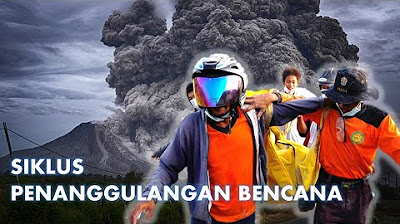
Geografi Kelas XI (28) Siklus Penanggulangan Bencana | Pra Bencana, Tanggap Darurat, Pemulihan
5.0 / 5 (0 votes)

