Atv. Curriculares C. - História - 1º ano - Culturas, identidades e transformações tecnológicas.
Summary
TLDRThis educational video discusses the transition from the Roman Empire to the Feudal system in Europe, focusing on the rise of barbarian tribes, such as the Germanic peoples, and their impact on the collapse of Rome. It explores the formation of the feudal system, highlighting the roles of nobles, vassals, and serfs, as well as the ruralization of Europe. The video delves into the economic, political, and social changes that defined the Feudal era, including the weakening of central power, the rise of localized economies, and the consolidation of power by feudal lords, all framed within the historical context of the fall of the Roman Empire.
Takeaways
- 📜 The feudalism period emerged after the decline of the Roman Empire, marking a transition from the ancient to the medieval world.
- 🛡️ 'Barbarian' peoples, as labeled by Romans, were diverse groups with different social, economic, and political systems, not necessarily violent or uncultured.
- 🌍 Migration of these peoples into former Roman territories was influenced by population growth, attraction to fertile lands, and pressure from other groups like the Huns.
- 🏰 The Carolingian Empire, led by Charlemagne, attempted to revive Roman political, economic, and cultural principles, but ultimately failed to restore central authority.
- 🌾 The feudal system was characterized by ruralization, fragmentation of territories, and the weakening of central power, leading to localized rule by nobles.
- 🤝 Feudal relationships were based on personal loyalty: lords (suzerains) granted land (fiefs) to vassals in exchange for military and other services.
- 👨🌾 The manorial system organized land into estates with a demesne (lord's land) worked by serfs, who owed labor and a portion of production to the lord, but were not slaves.
- ⛪ Feudal society was hierarchical: clergy prayed, nobility fought, and peasants worked, reflecting a rigid social structure supported by the Church.
- 💰 Although the economy was largely self-sufficient and agrarian, some commercial activity and limited use of money persisted in towns and trade.
- 🏰 Medieval towns were fortified, with walls, gates, and streets, and represented centers of production, exchange, and protection amidst rural feudal territories.
- 📚 Education and intellectual activity during the Carolingian period were promoted through initiatives like the palace school and monastic scriptoria.
Q & A
What historical transition does feudalism represent in European history?
-Feudalism represents the transition from the centralized Roman Empire to a decentralized medieval society characterized by local power, ruralization, and hierarchical social structures.
Who were considered 'barbarians' by the Romans, and why?
-The Romans considered 'barbarians' to be peoples who did not share Greco-Roman culture. This term did not necessarily mean they were violent, but rather culturally different.
What factors contributed to the migration of barbarian groups into Roman territories?
-Key factors included population growth, attraction to the wealth of Roman lands, and pressure from other groups such as the Huns.
How did the relationship between Romans and barbarian groups initially function?
-Initially, many barbarian groups entered Roman territory peacefully and even worked as soldiers or border protectors for the Roman Empire.
What was the Carolingian Empire's objective after the fall of Rome?
-The Carolingian Empire aimed to revive aspects of Roman culture, political organization, and education, particularly under Charlemagne.
What are the main characteristics of feudal society?
-Feudal society was decentralized, rural, based on land ownership, and structured through personal relationships of loyalty, such as vassalage, with a rigid social hierarchy.
What was the relationship between a lord (suzerain) and a vassal?
-A lord granted land (a fief) to a vassal in exchange for loyalty, military service, and protection, forming a mutual obligation system.
How was land organized within a feudal estate?
-Land was divided into the lord's domain (worked by serfs for the lord), peasant plots (for their own subsistence), and common lands (used collectively).
What obligations did serfs have in the feudal system?
-Serfs had to perform labor (corvée), give a portion of their production (tallage), and follow the rules imposed by the lord, though they were not slaves.
How was medieval society divided according to the Church?
-Society was divided into three groups: those who pray (clergy), those who fight (nobility), and those who work (peasants).
What role did the Church play in feudal society?
-The Church preserved religious beliefs, reinforced the social hierarchy as divinely ordained, and influenced moral and cultural life.
What was the economic basis of feudalism?
-The economy was primarily agricultural and based on self-sufficiency, with limited trade and minimal use of currency.
Did trade and money completely disappear during feudalism?
-No, trade and money still existed but were limited and less significant compared to the agrarian, self-sufficient economy.
Why was feudal society considered fragmented?
-Because political power was decentralized, with local lords controlling their own territories, laws, and economies rather than a single central authority.
What was the significance of fortifications like walls and castles in feudal society?
-They provided protection against invasions and conflicts, reflecting the insecurity and localized nature of power during the feudal period.
Outlines

Esta sección está disponible solo para usuarios con suscripción. Por favor, mejora tu plan para acceder a esta parte.
Mejorar ahoraMindmap

Esta sección está disponible solo para usuarios con suscripción. Por favor, mejora tu plan para acceder a esta parte.
Mejorar ahoraKeywords

Esta sección está disponible solo para usuarios con suscripción. Por favor, mejora tu plan para acceder a esta parte.
Mejorar ahoraHighlights

Esta sección está disponible solo para usuarios con suscripción. Por favor, mejora tu plan para acceder a esta parte.
Mejorar ahoraTranscripts

Esta sección está disponible solo para usuarios con suscripción. Por favor, mejora tu plan para acceder a esta parte.
Mejorar ahoraVer Más Videos Relacionados
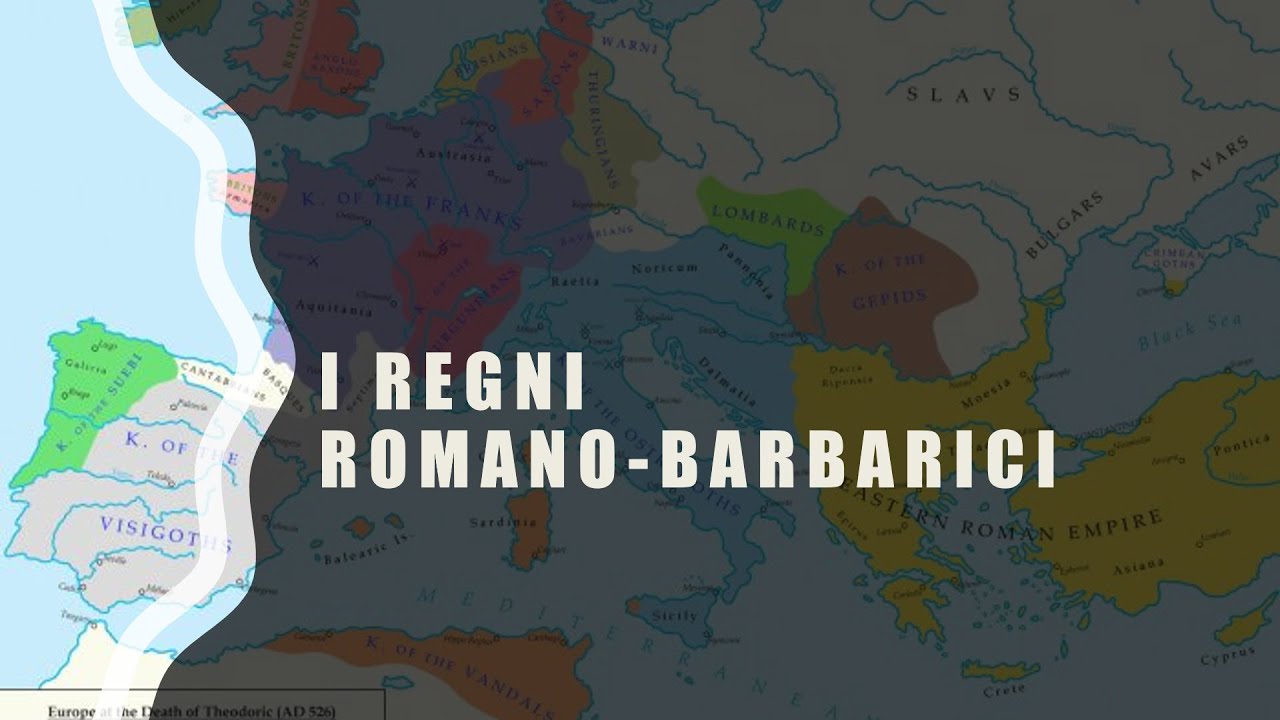
I regni romano-barbarici

Os germanos no Império Romano I Prof. Dr. Alfredo Boulos Júnior
🔥⚔ Le INVASIONI BARBARICHE e la CADUTA dell'IMPERO ROMANO d'OCCIDENTE ⚔🔥 Chi erano i BARBARI? 🧔🏼👨🏼🦰

História Geral: Roma Antiga

I Germani e la fine dell'impero romano

HISTÓRIA GERAL #7 ROMA ANTIGA (MONARQUIA, REPÚBLICA E IMPÉRIO).
5.0 / 5 (0 votes)

