Gene Therapy
Summary
TLDRThis video discusses gene transfer therapies using adeno-associated virus (AAV) vectors to treat genetic diseases. AAV vectors target specific cells, delivering therapeutic genes that correct defective or missing proteins, offering long-term, potentially curative results. The therapeutic genes are delivered without integrating into the cell's DNA, ensuring stability and non-heritable effects. AAV-based gene therapies show promise for treating a wide range of genetic and acquired diseases, providing a cost-effective, single-treatment approach for lasting benefits. Yoona Cure is committed to developing these innovative treatments to improve patient outcomes.
Takeaways
- 🧬 Many human diseases are caused by defective genes or improperly functioning proteins.
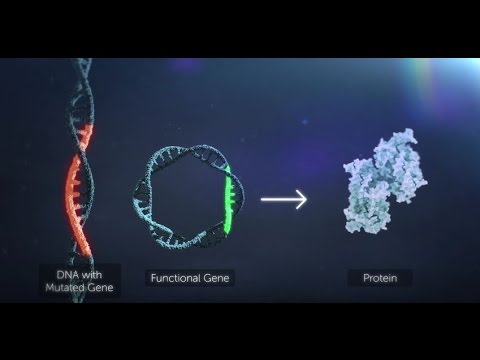
- 🧪 Genes in our DNA provide the blueprint for producing specific proteins essential for normal function.
- ⚠️ Mutations can lead to the production of non-functional proteins or proteins with altered functions.
- 🧫 Gene therapy using AAV (adeno-associated virus) vectors can deliver therapeutic genes to correct these defects.
- 🛡️ AAV vectors are non-pathogenic and can specifically target cells to restore proper protein function.
- 🎯 The capsid protein shell of the AAV helps deliver the therapeutic gene to target cells and is shed once inside.
- 📌 The vector genome forms an episome in the nucleus, allowing long-term protein expression without integrating into the cell’s DNA.
- 💉 AAV-based therapies can be administered intravenously or by direct tissue injection for precise targeting.
- 🔄 The components of AAV vectors can be modified to address different diseases and therapeutic targets.
- 🏥 AAV gene therapy offers the potential for long-term, potentially curative effects with a single administration.
- 💡 Companies like Yoona Cure focus on developing innovative and cost-effective single-treatment gene therapies.
Q & A
What causes many human diseases according to the script?
-Many human diseases are caused by defective genes and improper protein functioning.
How do genes within our DNA contribute to protein production?
-Genes provide the blueprint for the production of proteins, guiding how specific proteins are made and function.
What is the effect of mutations or gene defects on protein function?
-Mutations or specific gene defects can reduce or prevent the production of a functional protein or result in a protein with altered function.
What are AAV vectors and what role do they play in gene therapy?
-AAV vectors are adeno-associated virus-based delivery systems that can target specific cells to correct disease-causing protein dysfunction without using a pathogenic virus.
How do AAV vectors deliver therapeutic genes to target cells?
-AAV vectors carry therapeutic genes inside a protein shell called a capsid, which helps target delivery to specific cells. Once inside the cell, the capsid is shed, and the vector genome is released into the nucleus.
Do AAV vector genomes integrate into the cell's DNA?
-No, the vector genome forms an episome in the nucleus instead of integrating into nuclear DNA. Episomes are not passed to future generations of cells, ensuring the therapy's effects are limited to the treated cells.
What are the advantages of using AAV-based gene delivery systems?
-AAV vectors are non-pathogenic, can transduce both dividing and non-dividing cells, allow stable and long-term expression of therapeutic proteins, and can be administered via intravenous drip or direct tissue injection.
How can the components of an AAV-based gene transfer system be adapted?
-The components can be switched or customized to target different therapeutic needs and address various diseases.
What potential benefits does gene transfer offer to patients?
-Gene transfer can provide long-term and potentially curative benefits by correcting defective or missing protein function with a single treatment.
What is Yoona Cure's approach to gene therapy?
-Yoona Cure focuses on developing innovative, cost-effective, single-treatment gene therapies that aim for potentially curative results.
Outlines

Esta sección está disponible solo para usuarios con suscripción. Por favor, mejora tu plan para acceder a esta parte.
Mejorar ahoraMindmap

Esta sección está disponible solo para usuarios con suscripción. Por favor, mejora tu plan para acceder a esta parte.
Mejorar ahoraKeywords

Esta sección está disponible solo para usuarios con suscripción. Por favor, mejora tu plan para acceder a esta parte.
Mejorar ahoraHighlights

Esta sección está disponible solo para usuarios con suscripción. Por favor, mejora tu plan para acceder a esta parte.
Mejorar ahoraTranscripts

Esta sección está disponible solo para usuarios con suscripción. Por favor, mejora tu plan para acceder a esta parte.
Mejorar ahora



5.0 / 5 (0 votes)

