Sizing Inverter For Your Solar Power System - The Basics (Ep. 6)
Summary
TLDRThis video, the sixth in a short educational series, guides viewers through the final step of sizing a solar power system: choosing the right inverter. It explains how to calculate the inverter's output based on your average hourly load, solar panel array size, and voltage requirements (120V or 240V). The presenter emphasizes selecting an inverter with extra capacity to accommodate future expansion or additional appliances. The video also touches on off-grid versus hybrid systems, the declining incentives for selling solar back to the grid, and previews a comparison of traditional versus portable solar setups in the next video. Practical, clear, and beginner-friendly advice is provided throughout.
Takeaways
- 🔌 Sizing your inverter is the third and final step in designing a solar power system, after sizing your battery bank and solar panel array.
- ⚡ To choose the right inverter, first determine your maximum simultaneous power load and average hourly usage.
- 🌞 Know the wattage of your solar panel array, as it will determine the inverter's input capacity requirements.
- 🔋 Consider whether your system will run at 120V or 240V; some inverters require pairing to achieve 240V.
- 📈 Select an inverter with output wattage higher than your calculated load to allow room for extra appliances and future growth.
- 💡 In the example, a 1,700 W load recommends using a 3,000 W inverter for flexibility.
- 🌱 Ensure the inverter's input capacity exceeds your solar array size to accommodate potential system expansion (e.g., 5,000 W input for 2,500 W panels).
- 🚫 Selling solar power back to the grid is becoming less profitable in many regions, so off-grid or hybrid systems are recommended.
- 🏠 You can choose between a traditional wall-mounted solar system or a portable solar power station, depending on your lifestyle.
- 🎯 Proper inverter sizing ensures your system runs efficiently, safely, and is future-proof for potential upgrades or additional loads.
- 📚 Understanding these fundamentals empowers you to make informed decisions and optimize your solar power system without relying on external sales pressure.
Q & A
What is the main focus of this video in the solar power series?
-The video focuses on sizing the inverter, which is the third and final step in properly sizing an entire solar power system.
What prior knowledge should viewers have before watching this video?
-Viewers should understand how to size their battery bank and solar panel array, which are covered in the first two videos of the series.
What key information is needed to select the right inverter?
-You need to know your average hourly load in watts, the size of your solar panel array in watts, and whether your system will run on 120 volts or 240 volts.
Why might someone choose a larger inverter than their calculated requirement?
-Choosing a larger inverter allows for extra capacity to run additional appliances, lights, or future expansion without being limited to the exact load calculated.
How does the input rating of an inverter relate to the solar panel array?
-The inverter's input rating should accommodate the solar panel array's wattage. In the example, a 3,000-watt inverter with a 5,000-watt input rating was chosen for future expandability.
What is the significance of running a system at 240 volts instead of 120 volts?
-Running at 240 volts allows for higher-powered appliances and can be achieved by pairing two inverters if a single inverter does not support 240 volts.
Why does the video discourage using solar primarily to sell power back to the grid?
-Many regions, like California with NM 3.0, have reduced or eliminated payments for excess solar power, making it less financially worthwhile to rely on grid feed-in.
What alternatives to traditional solar systems are mentioned?
-Portable power station systems are mentioned as an alternative, offering flexibility and popularity for off-grid or hybrid lifestyles.
What advice is given regarding the choice between wall-mounted systems and portable power stations?
-The choice depends on individual lifestyle preferences, as neither system is universally better; each has pros and cons suited to different needs.
What general recommendation does the video give about expanding a solar power system?
-It is recommended to choose an inverter and system setup with extra capacity to allow for future expansion without needing to replace core components.
Outlines

Esta sección está disponible solo para usuarios con suscripción. Por favor, mejora tu plan para acceder a esta parte.
Mejorar ahoraMindmap

Esta sección está disponible solo para usuarios con suscripción. Por favor, mejora tu plan para acceder a esta parte.
Mejorar ahoraKeywords

Esta sección está disponible solo para usuarios con suscripción. Por favor, mejora tu plan para acceder a esta parte.
Mejorar ahoraHighlights

Esta sección está disponible solo para usuarios con suscripción. Por favor, mejora tu plan para acceder a esta parte.
Mejorar ahoraTranscripts

Esta sección está disponible solo para usuarios con suscripción. Por favor, mejora tu plan para acceder a esta parte.
Mejorar ahoraVer Más Videos Relacionados
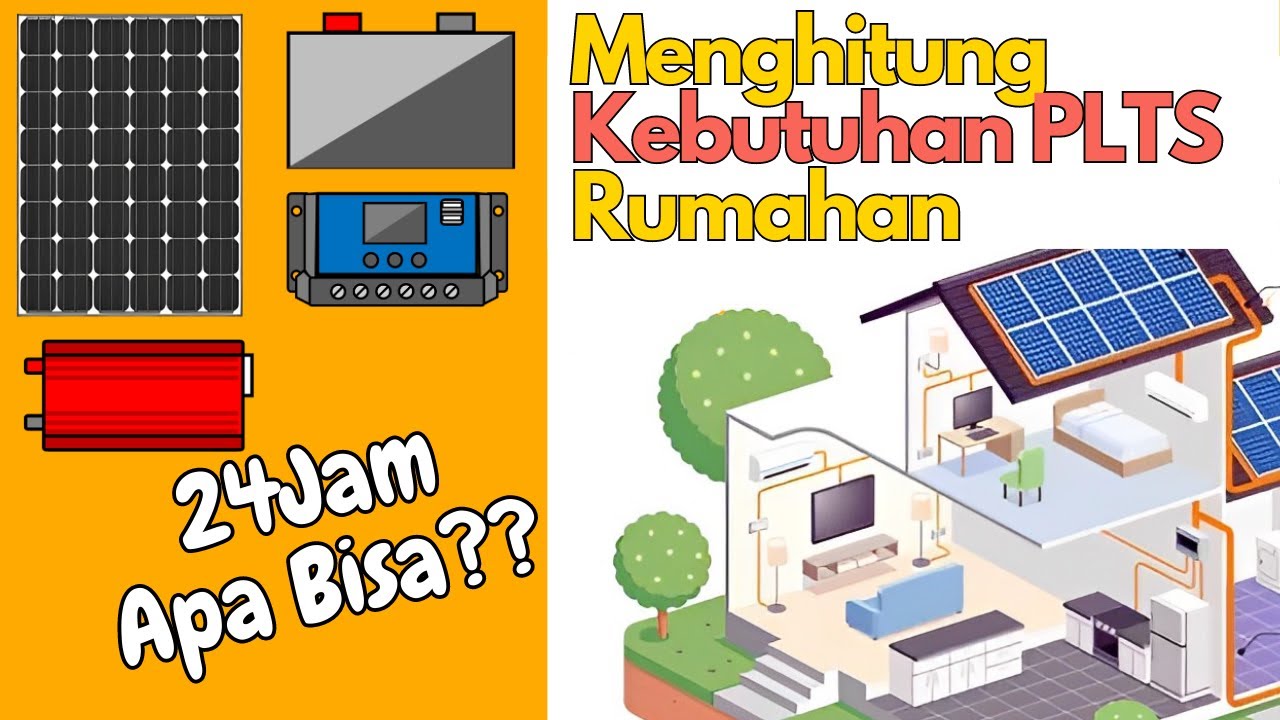
MENGHITUNG DAN MENENTUKAN KEBUTUHAN PLTS SKALA RUMAH

MENGHITUNG DAN MENENTUKAN KEBUTUHAN PLTS | EPISODE 2 | PANEL SURYA 100 WP BISA BUAT APA SAJA ?
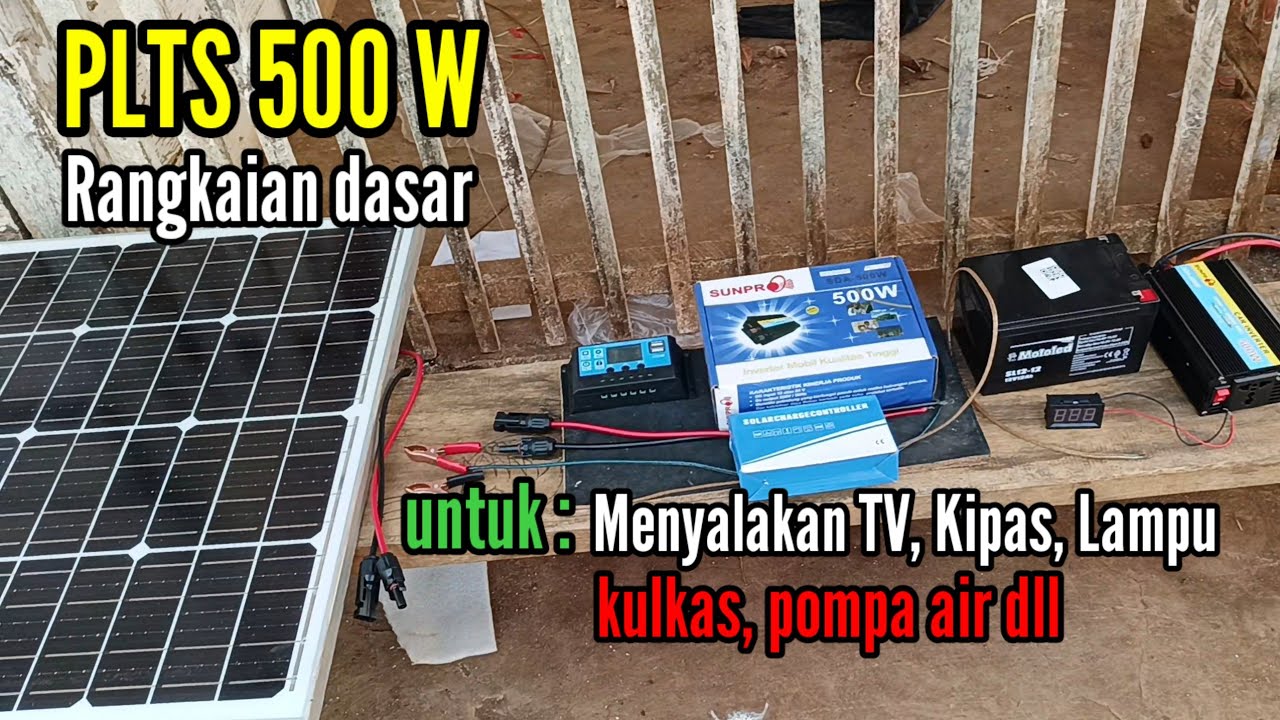
PLTS 500 Watt Rangkaian Dasar
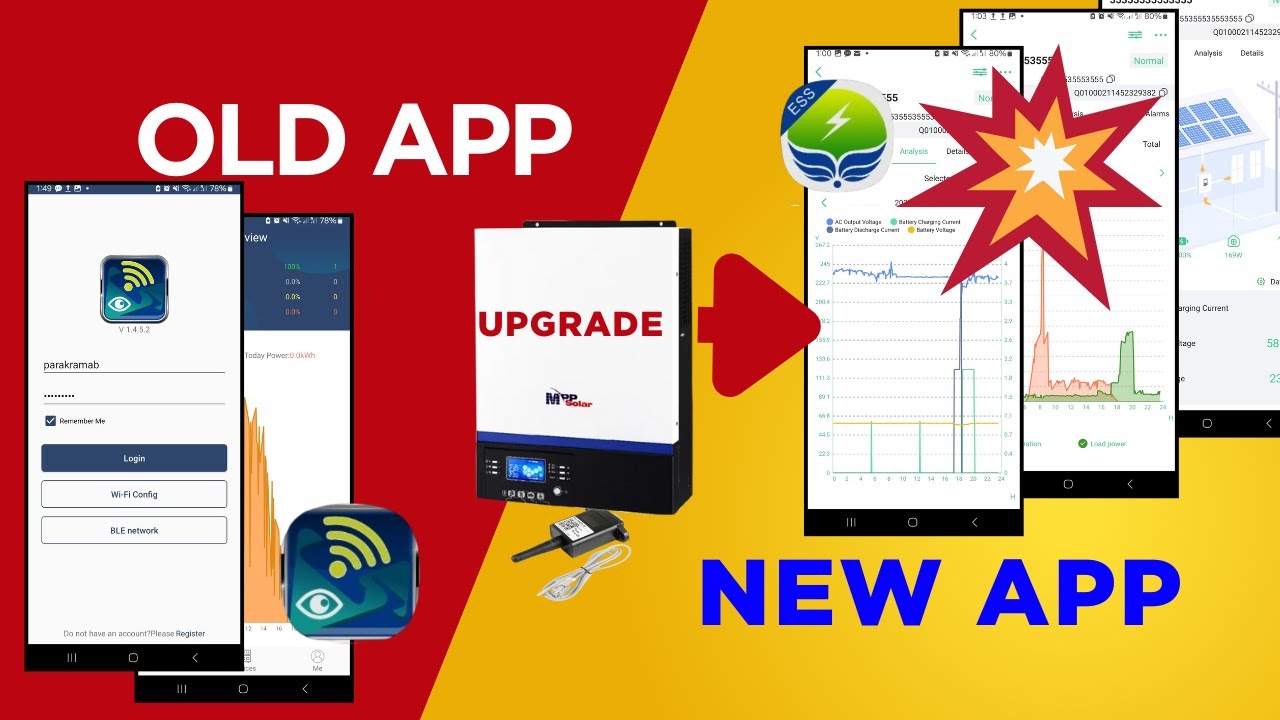
SmartESS App Changed Everything for My MPP Solar Inverter!
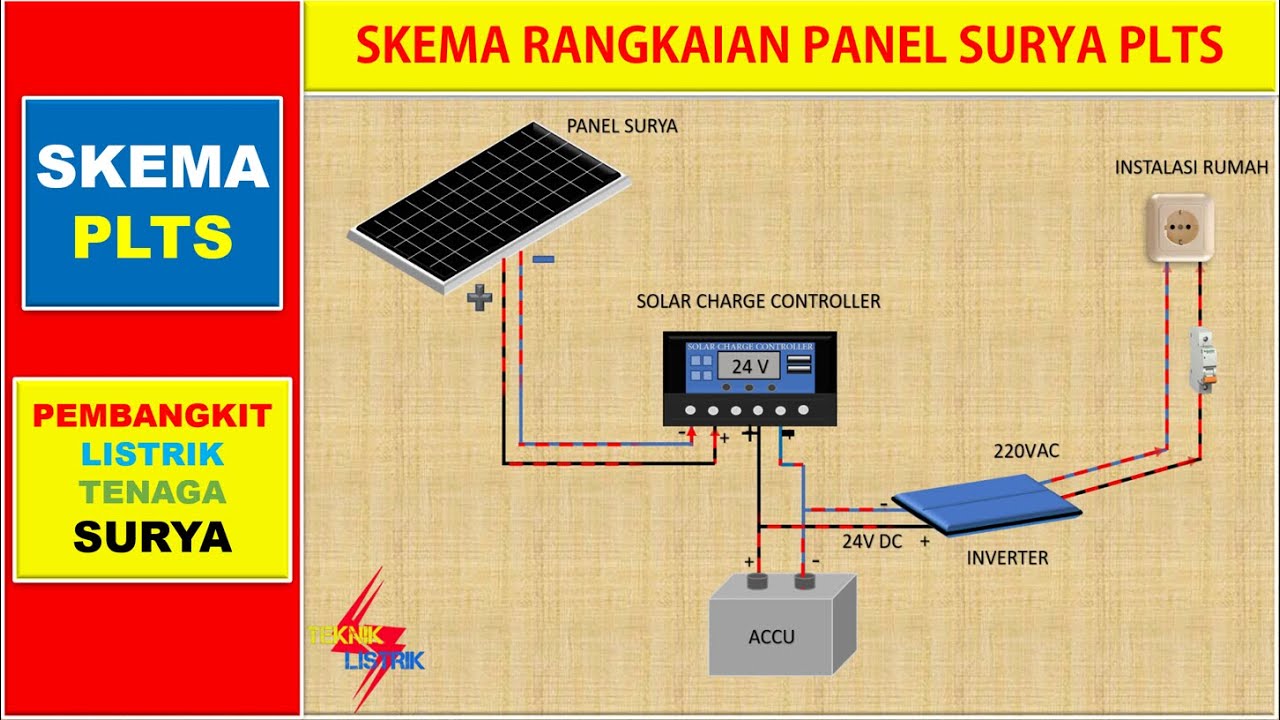
Skema Rangkaian Panel Surya PLTS (Pembangkit Listrik Tenaga Surya/Matahari)
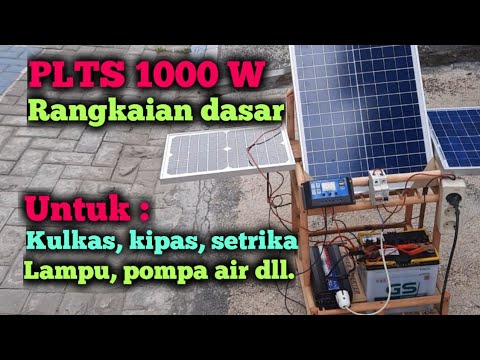
PLTS 1000 Watt, rangkaian dasar..link di diskripsi
5.0 / 5 (0 votes)

