Fungsi dan Proses Bisnis
Summary
TLDRThis lecture explores the fundamentals of business processes within enterprise information systems. It defines business processes as structured sequences of activities transforming inputs into valuable outputs for consumers and organizations. Key aspects include process ownership, clear boundaries, internal relationships, procedures, performance measures, and adaptability through policies. The video highlights how functional areas—Marketing & Sales, Supply Chain, Accounting & Finance, Human Resources, and Manufacturing—interact to support business operations. Emphasis is placed on the critical role of information systems in managing data, generating reports, and enhancing efficiency to increase profits. Real-world examples, including a beverage manufacturing case, illustrate process interconnectivity and optimization.
Takeaways
- 😀 A business process is a series of actions starting with inputs, passing through processes, and ending with outputs that create value for the company or consumers.
- 😀 Every business process must have an owner, responsible for managing specific aspects such as customers, suppliers, or products.
- 😀 Business processes have clear boundaries to ensure that each function, such as customer or supplier management, operates within specific limits.
- 😀 Internal relationships are essential for ensuring that different functions, such as suppliers, customers, and products, work in sync and support each other.
- 😀 Standard operating procedures (SOPs) must be in place for each process, ensuring tasks like order processing and delivery follow a well-defined method.
- 😀 Business processes should have performance metrics to track efficiency, such as processing times, delivery completion, and customer feedback.
- 😀 User satisfaction is critical in a business process, ensuring that every participant, from internal employees to external customers, is satisfied with the service.
- 😀 Information systems, particularly ERP systems, play a vital role in facilitating business processes by transforming data into useful information for decision-making.
- 😀 ERP systems support multiple functions, including marketing and sales, supply chain management, accounting and finance, and human resources.
- 😀 In a manufacturing process, various departments like marketing, engineering, production, finance, and customer service must be interconnected to ensure efficiency and alignment.
- 😀 The goal of any business process is to improve overall company performance, including increasing revenue, reducing costs, and delivering value to customers.
Q & A
What is the definition of a business process according to the lecture?
-A business process is a sequence of activities that begins with input, goes through a series of actions, and ends with an output that creates value for consumers or the organization.
What are the two key components of the term 'business process'?
-The term consists of 'process', which is a set of actions from input to output, and 'business', which focuses on creating value through these activities.
What are the main characteristics of a business process?
-Business processes have an owner responsible for the process, clearly defined boundaries, internal relationships between processes, proper procedures, measurable targets, and flexibility to adapt to organizational policies.
How does a business process relate to information systems?
-Information systems support business processes by collecting, processing, and producing data into useful information that aids decision-making and improves efficiency and profitability.
What are the functional areas of operations in an enterprise information system (ERP) as described in the lecture?
-The functional areas include Marketing and Sales (customer interactions), Supply Chain Management (supplier interactions), Accounting and Finance (financial management), and Human Resources (employee management).
Why is it important for business processes to have clearly defined boundaries?
-Clear boundaries ensure that responsibilities are well-assigned, prevent overlap between roles, and make the process more efficient by defining the scope of each function within the organization.
Can you give an example of how a process workflow might look in a manufacturing business?
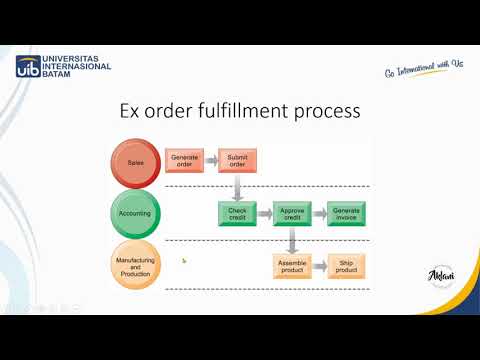
-In a beverage manufacturing example, input such as water and raw materials undergo processing, then production and packing, and finally result in an output, which is the finished product ready for delivery, supported by marketing, finance, and supply chain coordination.
What role does the 'owner' play in a business process?
-The owner is responsible for managing, monitoring, and ensuring the proper execution of a process, maintaining accountability for its outcomes, and coordinating with other process owners as needed.
How are procedures and documentation significant in business processes?
-Procedures and documentation standardize workflows, ensure consistency, guide employee actions, enable tracking of process performance, and facilitate training and improvements.
What is the importance of measuring performance in business processes?
-Measuring performance, such as cycle time, output quality, or user satisfaction, helps organizations monitor efficiency, identify areas for improvement, and ensure processes align with organizational goals.
How can business processes adapt to changes within an organization?
-Processes can adapt through policies, feedback, and continuous improvement practices, allowing the organization to update procedures, optimize performance, and respond effectively to internal or external changes.
Outlines

Esta sección está disponible solo para usuarios con suscripción. Por favor, mejora tu plan para acceder a esta parte.
Mejorar ahoraMindmap

Esta sección está disponible solo para usuarios con suscripción. Por favor, mejora tu plan para acceder a esta parte.
Mejorar ahoraKeywords

Esta sección está disponible solo para usuarios con suscripción. Por favor, mejora tu plan para acceder a esta parte.
Mejorar ahoraHighlights

Esta sección está disponible solo para usuarios con suscripción. Por favor, mejora tu plan para acceder a esta parte.
Mejorar ahoraTranscripts

Esta sección está disponible solo para usuarios con suscripción. Por favor, mejora tu plan para acceder a esta parte.
Mejorar ahoraVer Más Videos Relacionados
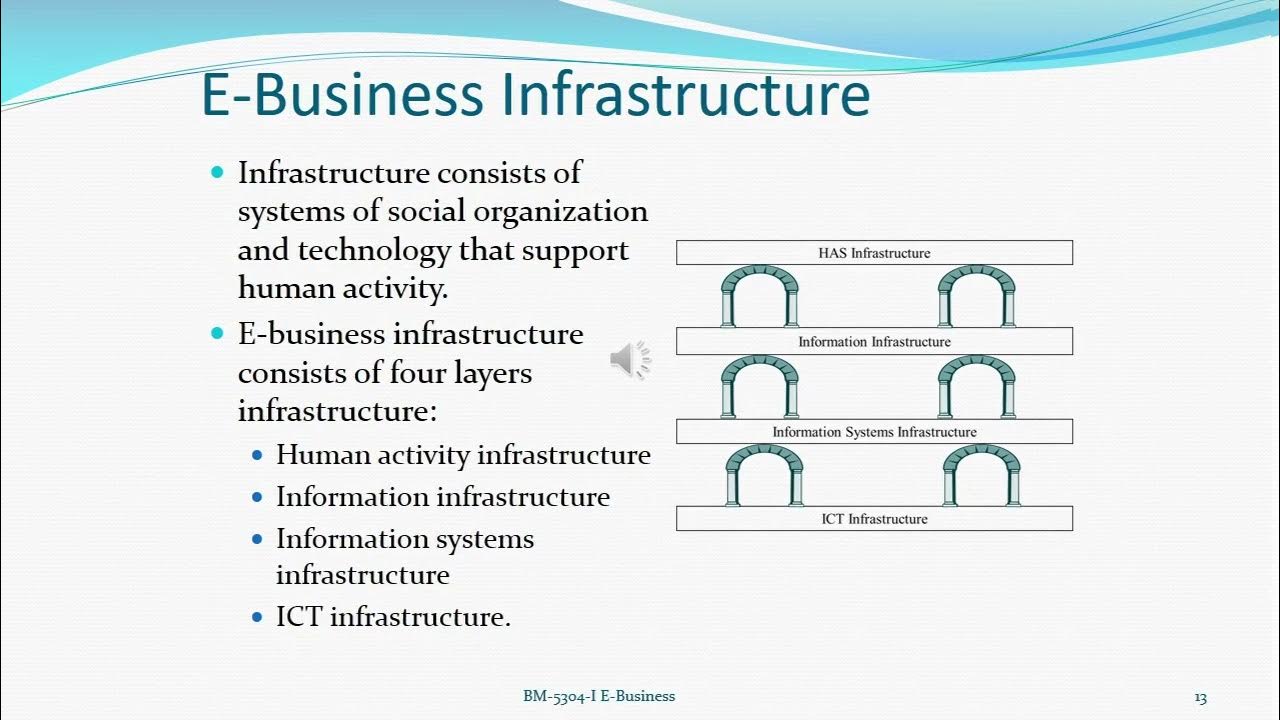
E Business Technology & Infrastructure
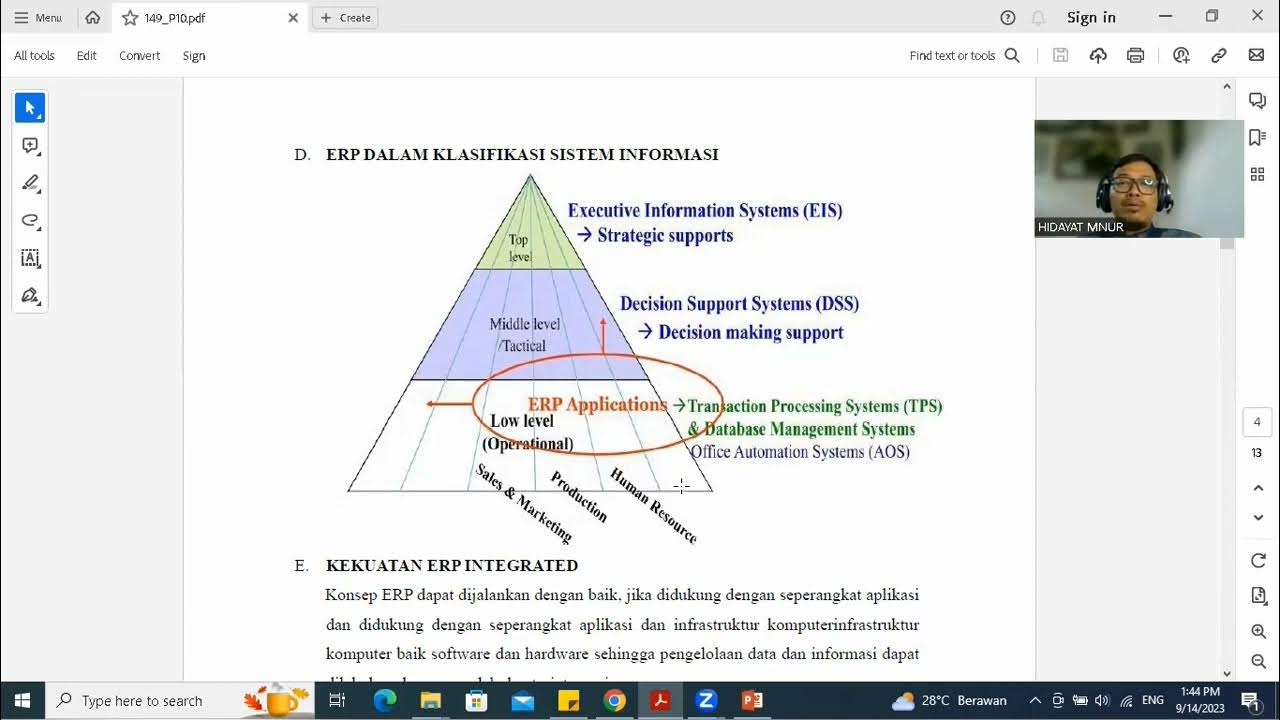
Video Pembelajaran E Business Pertemuan 10
2023 Meet 2 Akuntansi Manajemen : Konsep Dasar Akuntansi Manajemen

2 1 Fungsi Bisnis dan Proses Bisnis
Konsep Dasar Sistem, Informasi, Manajemen, dan Sistem Informasi Manajemen
SAY - Sistem Informasi Manajemen - Chapter 2 - Global E-business and Collaboration
5.0 / 5 (0 votes)

