Documentário - A Vida e Obra do Escritor Euclides da Cunha.
Summary
TLDRThis video narrates the life and legacy of Euclides da Cunha, from his birth in Cantagalo in 1866 to his groundbreaking work covering the War of Canudos. It explores his early life, education, and career as an engineer and journalist, highlighting his moral reflections on violence, justice, and the Brazilian Republic. Euclides’ experiences inspired his masterpiece, Os Sertões, which examines the land, its people, and the conflict of Canudos. The video also showcases the cultural heritage preserving his memory, including museums and memorials in Cantagalo, Euclidelândia, and São José do Rio Pardo, emphasizing his enduring influence on Brazilian literature, history, and national identity.
Takeaways
- 😀 Euclides da Cunha was born on January 20, 1866, in Fazenda Saudade, Santa Rita do Rio Negro (later renamed Euclidelândia) in Cantagalo, Rio de Janeiro.
- 😀 His early life was marked by the death of his mother and financial difficulties, leading him to move between relatives before attending military school and completing engineering studies.
- 😀 Cantagalo was an important coffee-producing city in the 19th century, heavily dependent on enslaved labor, and suffered economically after the abolition of slavery in 1888.
- 😀 Euclides worked as a correspondent for O Estado de São Paulo, covering the War of Canudos (1896–1897) and witnessing atrocities against civilians and soldiers.
- 😀 The War of Canudos resulted in the destruction of the city and the death of thousands, including 5,000 soldiers and between 10,000–25,000 inhabitants of Canudos.
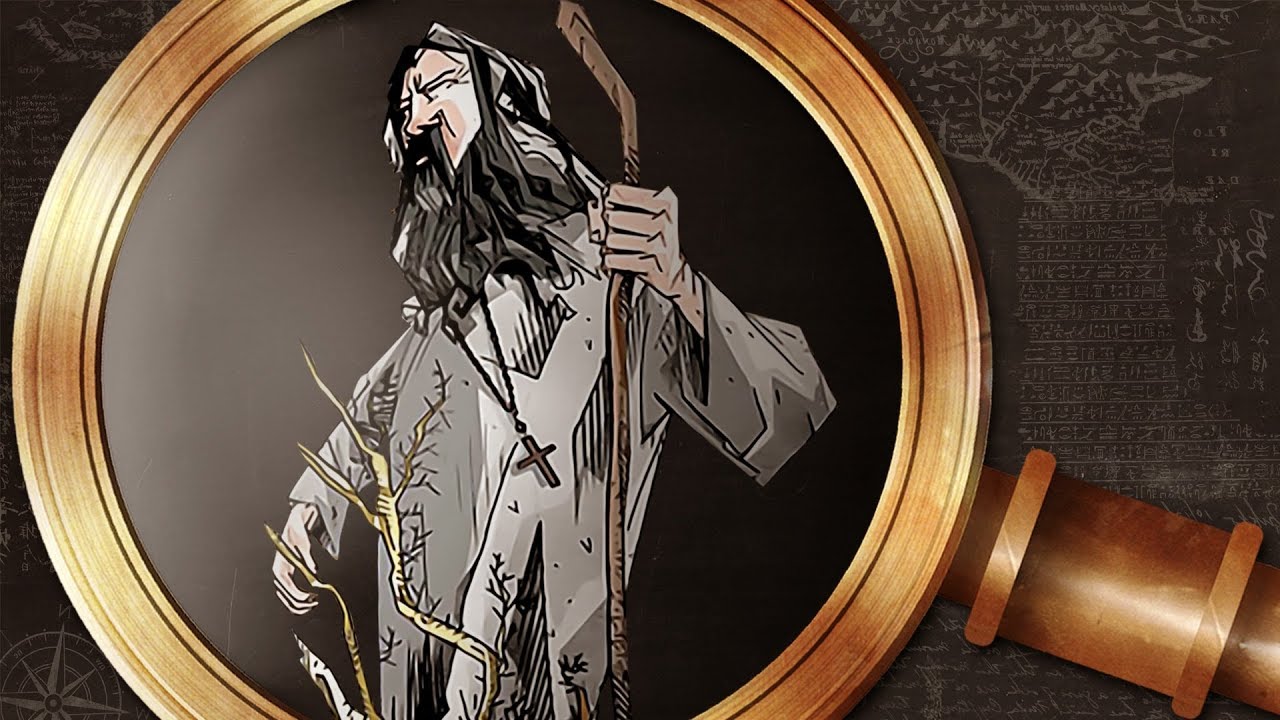
- 😀 Euclides da Cunha wrote 'Os Sertões' based on his journalistic work, observations, and personal experiences from Canudos, structuring the book into three parts: Land, Man, and The Struggle.
- 😀 He criticized the Brazilian Republic's use of military force, advocating for education and dialogue as tools for social change rather than violence.
- 😀 Significant memorials and cultural centers honor Euclides da Cunha, including the Recanto Euclidiano and Casa de Cultura Euclides da Cunha in São José do Rio Pardo, and a museum in Cantagalo.
- 😀 The city of Euclides da Cunha in Bahia was named in his honor and hosts cultural festivals that celebrate local traditions, tourism, and the region's identity.
- 😀 Euclides da Cunha's legacy bridges literature, journalism, and history, emphasizing the social, environmental, and political realities of Brazil, making his work essential for understanding Brazilian identity.
Q & A
What was the economic significance of Cantagalo in the 19th century?
-Cantagalo's economy was largely based on coffee cultivation, which led to its significant development. It attracted immigrants, and its agricultural production was intensive, relying heavily on slave labor. At its peak, Cantagalo had around 60,000 inhabitants, with over 500 coffee plantations.
How did the abolition of slavery in 1888 affect Cantagalo?
-The abolition of slavery in 1888 had a major economic impact on Cantagalo, as its coffee plantations had been heavily reliant on slave labor. The shift led to a decline in the city's economic strength and the collapse of many coffee farms.
What was the original name of the district where Euclides da Cunha was born?
-Euclides da Cunha was born in the district of Santa Rita do Rio Negro, which was later renamed Euclidelândia in honor of the writer.
What was Euclides da Cunha's early education like?
-Euclides da Cunha initially studied engineering at the Escola Politécnica in Rio de Janeiro, but due to financial difficulties, he switched to the military school in Praia Vermelha, where he completed his engineering studies.
What led Euclides da Cunha to become involved with the Canudos campaign?
-In 1896, Euclides was invited by Júlio Mesquita, the director of O Estado de São Paulo newspaper, to cover the war in Canudos. His observations and experiences during this time led him to write his famous work 'Os Sertões.'
What was Euclides da Cunha's perspective on the war in Canudos?
-Euclides initially believed that the war in Canudos was part of a larger struggle to defend the Republic against monarchical tendencies. However, upon witnessing the violence and atrocities committed during the war, he became disillusioned with the Republic and used his writing to expose the brutality.
What are the three parts of Euclides da Cunha's book 'Os Sertões'?
-'Os Sertões' is divided into three parts: 'Terra' (Land), where Euclides describes the geography and environment of the Brazilian sertão; 'O Homem' (The Man), where he discusses the racial mixture of the population; and 'A Luta' (The Struggle), which focuses on the war and its consequences.
What role did Euclides da Cunha play in the reconstruction of a bridge in São José do Rio Pardo?
-After the collapse of a bridge over the Rio Pardo in 1897, Euclides da Cunha oversaw the reconstruction of the bridge in São José do Rio Pardo. He took personal responsibility for the project and used his spare time to write 'Os Sertões.'
What legacy did Euclides da Cunha leave in São José do Rio Pardo?
-In São José do Rio Pardo, Euclides da Cunha's legacy is honored with a mausoleum housing his remains, a cultural house dedicated to his life and works, and the 'Recanto Euclidiano,' which commemorates his contributions to the city and his role in the bridge reconstruction.
How is Euclides da Cunha commemorated in Cantagalo?
-In Cantagalo, there is a museum dedicated to Euclides da Cunha that preserves objects and artifacts related to his life. The museum houses items such as the first edition of 'Os Sertões,' photographs, and a collection of materials documenting the Canudos war.
Outlines

Esta sección está disponible solo para usuarios con suscripción. Por favor, mejora tu plan para acceder a esta parte.
Mejorar ahoraMindmap

Esta sección está disponible solo para usuarios con suscripción. Por favor, mejora tu plan para acceder a esta parte.
Mejorar ahoraKeywords

Esta sección está disponible solo para usuarios con suscripción. Por favor, mejora tu plan para acceder a esta parte.
Mejorar ahoraHighlights

Esta sección está disponible solo para usuarios con suscripción. Por favor, mejora tu plan para acceder a esta parte.
Mejorar ahoraTranscripts

Esta sección está disponible solo para usuarios con suscripción. Por favor, mejora tu plan para acceder a esta parte.
Mejorar ahora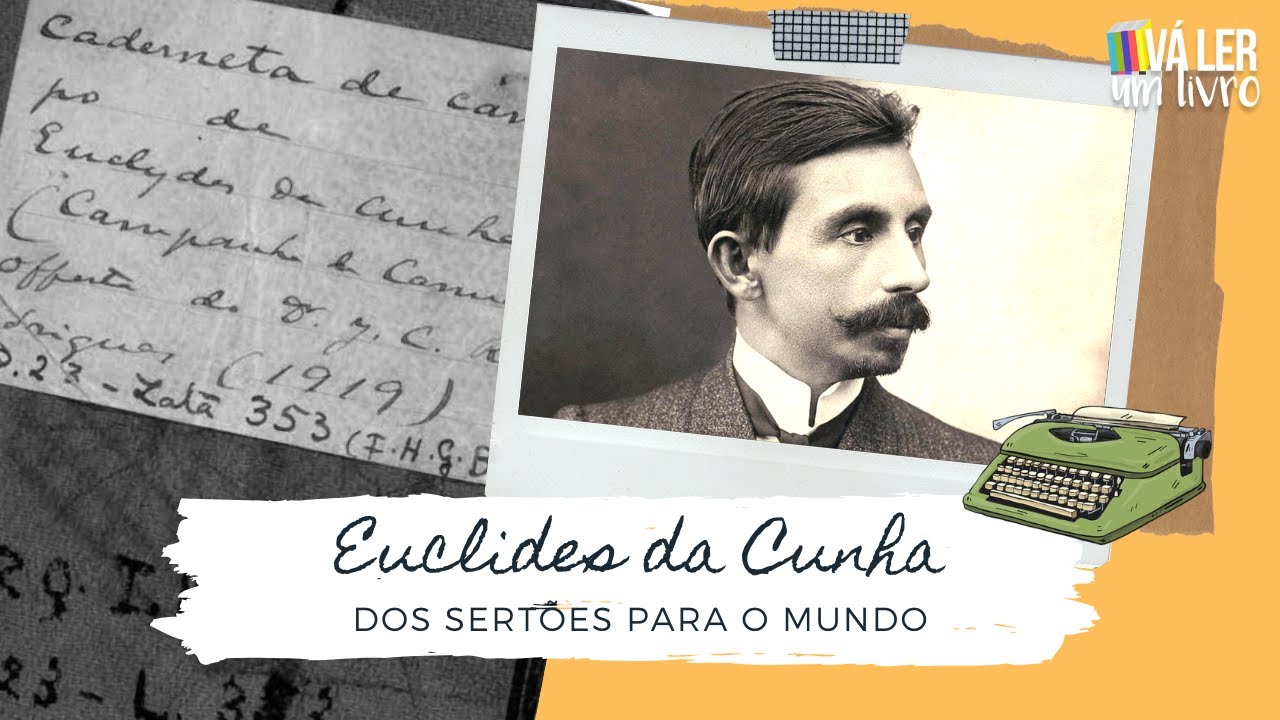



5.0 / 5 (0 votes)

