Asexual Reproduction
Summary
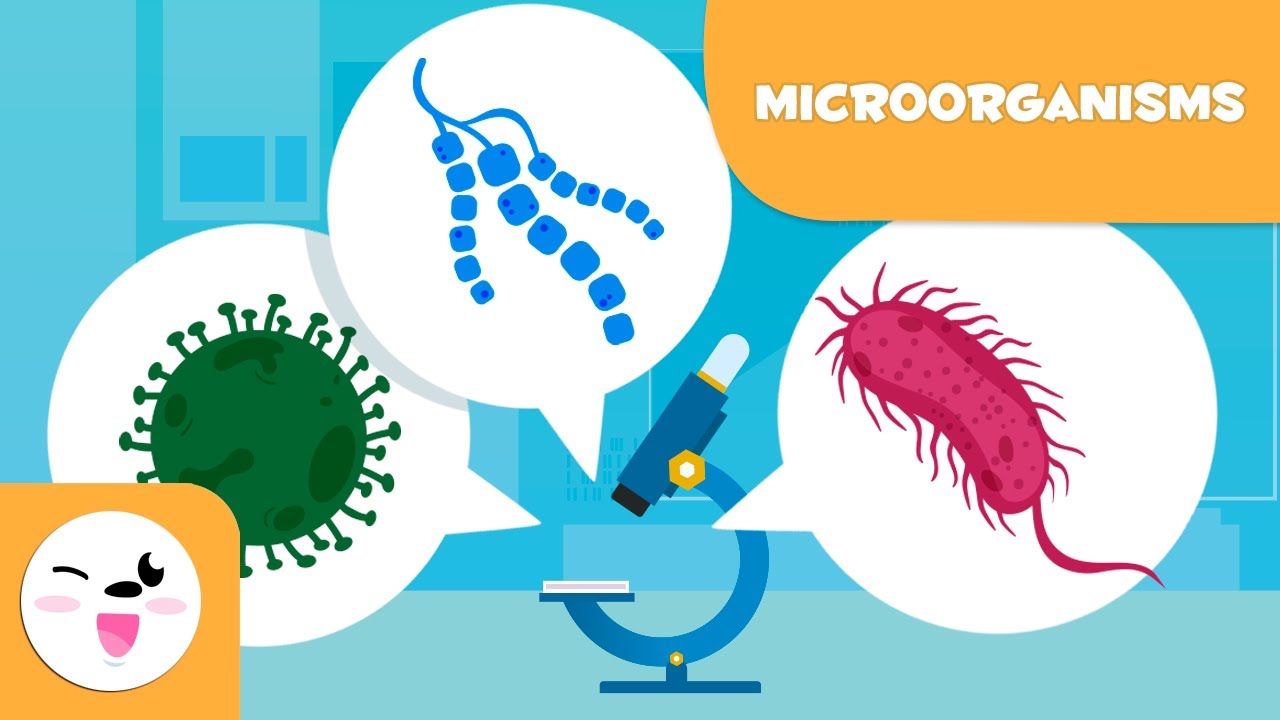
TLDRThis video explores the fascinating world of single-celled organisms, focusing on bacteria like E. coli that inhabit the human intestines. Unlike most cells, bacteria are simple and lack a nucleus, yet they are incredibly efficient at reproducing. Through a process called binary fission, a single bacterium divides into two identical cells, and some types can reproduce every 20 minutes. This rapid asexual reproduction allows a single bacterium to generate over a billion offspring in less than 12 hours. The video highlights the remarkable simplicity and efficiency of bacterial life, illustrating how even the tiniest organisms can have a massive impact.
Takeaways
- 😀 Some living things, like E. coli bacteria, remain a single cell throughout their entire lives.
- 😀 E. coli bacteria are microscopic organisms that live in our intestines.
- 😀 Bacteria are very simple organisms that lack a nucleus, unlike most cells.
- 😀 Bacteria reproduce efficiently through a process called binary fission.
- 😀 In binary fission, a bacterium pinches in the middle, dividing into two identical cells.
- 😀 Each of the two new cells produced by binary fission is identical to the original cell.
- 😀 Some types of bacteria can divide as quickly as once every 20 minutes.
- 😀 This rapid reproduction can lead to over a billion bacteria from a single cell in less than 12 hours.
- 😀 Bacterial reproduction is a form of asexual reproduction, requiring only one parent.
- 😀 Asexual reproduction in bacteria ensures quick population growth under favorable conditions.
Q & A
What is unique about the way bacteria are structured compared to most cells?
-Bacteria are unique because they are simple organisms that lack a nucleus, which is present in most other types of cells.
Where can E. coli bacteria be found in the human body?
-E. coli bacteria can be found inhabiting the human intestines.
What is the main advantage of bacteria's reproductive process?
-The main advantage is that bacteria can reproduce very quickly and efficiently, allowing them to rapidly increase in number.
How do bacteria reproduce?
-Bacteria reproduce through a process called binary fission, where the cell pinches in the middle and divides into two identical cells.
What does the term 'asexual reproduction' mean in the context of bacteria?
-Asexual reproduction in bacteria means that only one parent organism is needed to reproduce, and the offspring are genetically identical to the parent.
How rapidly can some bacteria reproduce?
-Some bacteria can divide once every 20 minutes, allowing them to multiply at an astonishing rate.
How many bacteria can one bacterium become in less than 12 hours?
-In less than 12 hours, a single bacterium can reproduce into over a billion bacteria.
Why is bacteria's ability to reproduce so rapidly significant?
-This rapid reproduction enables bacteria to quickly adapt to their environment and potentially overwhelm ecosystems or host organisms, such as humans.
What role does the lack of a nucleus in bacteria play in their reproduction?
-The lack of a nucleus simplifies the bacteria's structure, allowing them to divide more quickly and efficiently during reproduction.
Why are bacteria considered efficient at reproduction despite their simplicity?
-Bacteria are efficient because their simple structure allows for fast and straightforward reproduction through binary fission, which can occur multiple times within a short period.
Outlines

Esta sección está disponible solo para usuarios con suscripción. Por favor, mejora tu plan para acceder a esta parte.
Mejorar ahoraMindmap

Esta sección está disponible solo para usuarios con suscripción. Por favor, mejora tu plan para acceder a esta parte.
Mejorar ahoraKeywords

Esta sección está disponible solo para usuarios con suscripción. Por favor, mejora tu plan para acceder a esta parte.
Mejorar ahoraHighlights

Esta sección está disponible solo para usuarios con suscripción. Por favor, mejora tu plan para acceder a esta parte.
Mejorar ahoraTranscripts

Esta sección está disponible solo para usuarios con suscripción. Por favor, mejora tu plan para acceder a esta parte.
Mejorar ahoraVer Más Videos Relacionados



5.0 / 5 (0 votes)

