Pembelajaran Tentang Persiapan Wadah Budidaya Dan Peralatan Pendederan Ikan
Summary
TLDRThis video provides a comprehensive guide on preparing ponds and equipment for fish fry rearing. It covers step-by-step procedures including pond inspection, drying, liming, fertilization, and staged water filling to promote natural feed growth. The script explains the purpose and requirements of rearing containers, emphasizing safe, non-toxic, and habitat-appropriate conditions. Various types of tanks for adaptation, breeding, incubation, and fry feeding are detailed, alongside essential equipment such as air and water pumps and water quality monitoring tools. Overall, the video equips viewers with practical knowledge to ensure healthy, optimal growth of fish fry in aquaculture settings.
Takeaways
- 😀 The first step in the fish breeding process is inspecting the pond to ensure the foundation and embankments are not cracked or leaking.
- 😀 Pond drying is essential to remove pests and toxic gases from the soil, helping the soil to dry out.
- 😀 Liming the pond helps eliminate pests and improves overall pond health.
- 😀 Pond fertilization encourages the growth of natural feed for fish, such as plankton and benthos.
- 😀 Water should be filled to 10-15 cm initially and left for 5-7 days to allow natural feed to grow before the pond is filled to 60-70 cm.
- 😀 Preparing the breeding container involves ensuring it provides a suitable environment for the fish, free of pests or diseases.
- 😀 The container should have the correct physical, biological, and chemical parameters for the fish's optimal growth.
- 😀 Proper container preparation includes ensuring it doesn't contain toxic gases, isn't prone to leaks, and mimics the fish's natural habitat.
- 😀 Types of containers for breeding include sedimentation tanks, air supply systems, and water supply tanks for optimal fish health and breeding conditions.
- 😀 Essential equipment includes backup power systems, air pumps, water pumps, and water quality testing tools to maintain ideal conditions for fish breeding.
Q & A
What is the first activity conducted during the initial fish rearing process?
-The first activity is the inspection of the pond conditions, which involves checking the pond floor and embankments for cracks or leaks.
Why is pond drying performed before filling it with water?
-Pond drying helps eliminate pests and toxic gases in the soil, and it also allows the soil to become dry and suitable for rearing fish.
What is the purpose of liming the pond?
-Liming the pond helps to eradicate pests and improve the overall health of the pond environment.
Why is pond fertilization important in fish rearing?
-Fertilization promotes the growth of natural fish feed, such as phytoplankton and benthos, which is crucial for feeding the fish.
How should water be initially filled in the pond after fertilization?
-Water should first be added to a depth of 10–15 cm and left for 5–7 days to allow natural feed to grow, and then the water level can be increased to 60–70 cm.
What are the key functions of a fish rearing pond?
-A rearing pond provides a habitat for fish with proper physical, biological, and chemical parameters, and it must be free from pests and diseases.
What are the main criteria for preparing a fish rearing container?
-Containers must be free of toxic gases, not easily leak or be water-tight, and should match the natural habitat of the fish.
What is the purpose of sedimentation tanks in freshwater systems?
-Sedimentation tanks allow freshwater, especially from wells, to settle and remove impurities before being used in rearing ponds.
What roles do different types of rearing tanks serve in a hatchery?
-They serve various purposes: adaptation to water, maintenance of juveniles, selection of broodstock, incubation and hatching of eggs, and production of feed organisms for young fish.
Why are air pumps important in fish rearing activities?
-Air pumps provide oxygenation, which is essential for maintaining water quality and supporting the health and growth of the fish.
What is the function of water quality analysis tools in fish rearing?
-These tools are used to monitor physical, chemical, and biological parameters of the water to ensure optimal conditions for fish growth.
Why is backup equipment like electricity generators important in a hatchery?
-Backup equipment ensures continuous operation during power outages, which is critical to maintain water circulation, aeration, and overall pond management.
Outlines

Esta sección está disponible solo para usuarios con suscripción. Por favor, mejora tu plan para acceder a esta parte.
Mejorar ahoraMindmap

Esta sección está disponible solo para usuarios con suscripción. Por favor, mejora tu plan para acceder a esta parte.
Mejorar ahoraKeywords

Esta sección está disponible solo para usuarios con suscripción. Por favor, mejora tu plan para acceder a esta parte.
Mejorar ahoraHighlights

Esta sección está disponible solo para usuarios con suscripción. Por favor, mejora tu plan para acceder a esta parte.
Mejorar ahoraTranscripts

Esta sección está disponible solo para usuarios con suscripción. Por favor, mejora tu plan para acceder a esta parte.
Mejorar ahoraVer Más Videos Relacionados

PANDUAN BUDIDAYA PEMBENIHAN IKAN NILA

PASTI BERHASIL! CARA BUDIDAYA IKAN GURAME DALAM KOLAM BETON!

Perlakuan Bibit Ikan Nila Pada Awal Tebar Agar Sehat dan 99% Hidup
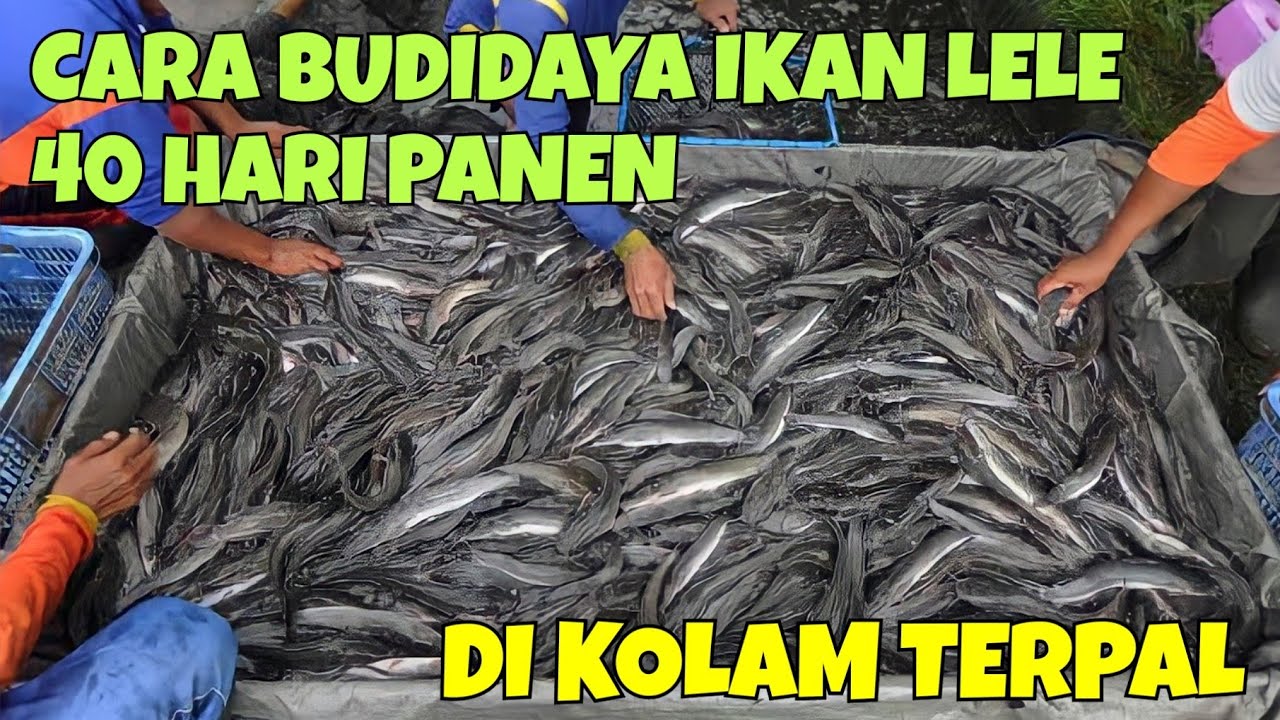
CARA BUDIDAYA IKAN LELE 40 HARI PANEN, DI KOLAM TERPAL, MUDAH UNTUK PEMULA

CARA BUDIDAYA IKAN PATIN DI KOLAM TANAH HINGGA PANEN

PERSIAPAN WADAH BUDIDAYA IKAN KONSUMSI || BAB 3 PRAKARYA KELAS 9 Part 3
5.0 / 5 (0 votes)

