How to stop thinking about the things that stress you out - a strategy for defeating rumination
Summary
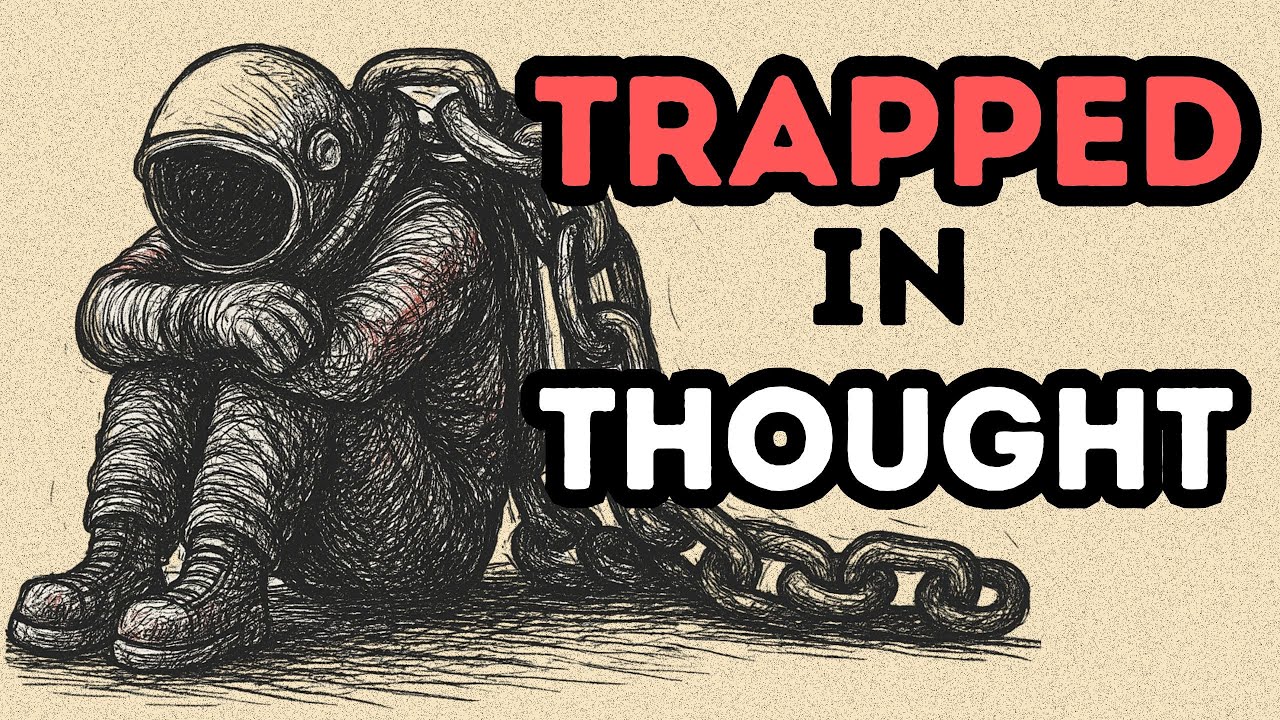
TLDRThis video explores rumination, a common symptom of depression and anxiety where the brain gets stuck on distressing thoughts. It explains why trying to stop these thoughts often backfires and introduces the principle of limited cognitive capacity, which shows that the brain can only focus on so much at once. The video provides a practical strategy to interrupt rumination: engage in activities that are high in stimulation, low in stress, and moderately novel. By fully capturing attention in a safe and engaging way, these activities help shift focus away from repetitive, distressing thoughts and improve mental well-being.
Takeaways
- 😀 Rumination is a symptom of depression and anxiety where your brain gets stuck on a distressing thought, unable to move on.
- 😀 Rumination can take over your day, with your mind repeatedly recycling the same negative thought like a mental black hole.
- 😀 Trying to force yourself to stop thinking about something often makes it worse, as it amplifies the thought.
- 😀 Limited cognitive capacity means your brain can only handle so many thoughts or ideas at once, making it hard to focus on more than one thing.
- 😀 You can’t directly stop thinking about something, but you can distract yourself by focusing on something else, as your mind has limited attention span.
- 😀 Effective distractions require high stimulation, low stress, and moderate novelty to work well in breaking rumination cycles.
- 😀 High stimulation activities are those that completely engage your attention, such as flow-state activities that make you forget everything else.
- 😀 People often make the mistake of turning to low-stimulation activities when trying to stop rumination, which usually doesn’t work.
- 😀 Stress levels must be low for distractions to work effectively; adding performance expectations or pressure defeats the purpose of distraction.
- 😀 Novelty should be moderate—activities that are new enough to engage your attention but not so unfamiliar that they become another source of stress.
- 😀 Examples of moderate novelty include trying new subcategories of activities you already enjoy, like exploring new genres of books or games.
Q & A
What is rumination, and how does it relate to mental health?
-Rumination is when your mind gets stuck on a distressing thought or feeling, often related to sadness, anger, or fear. It leads to repetitive thinking that can worsen your mood and affect your quality of life, making it harder to focus on anything else.
Why is it so difficult to stop rumination once it starts?
-Rumination becomes hard to stop because the more you try to push the thought away, the more intense it often gets. This is due to the brain's tendency to amplify the focus on things you're trying to avoid, making it counterproductive.
What is meant by 'limited cognitive capacity' in the context of rumination?
-Limited cognitive capacity refers to the idea that your brain can only focus on a small amount of information at any given time. When you're ruminating, it occupies a lot of your cognitive capacity, and finding something else to focus on can help shift your attention away from the troubling thought.
How does cognitive capacity relate to overcoming rumination?
-Because your brain can only focus on a limited amount of things, if you can redirect that focus to something else—such as an engaging activity—you can effectively reduce the impact of rumination by filling up the cognitive space with something more absorbing.
What are the three key variables for breaking out of rumination?
-The three key variables are stimulation, stress, and novelty. You need high stimulation (activities that grab your full attention), low stress (activities that don’t add pressure), and moderate novelty (activities that are new enough to interest you but not so unfamiliar as to cause stress).
Why is stimulation an important factor in reducing rumination?
-Stimulation is important because it captures your attention and uses up your limited cognitive capacity. If an activity is engaging enough, it leaves little room for negative thoughts and rumination to take over.
What does 'low stress' mean in the context of distractions from rumination?
-Low stress means engaging in an activity that you can enjoy without worrying about performance or outcomes. If the activity becomes stressful—like focusing on achieving results—it can actually add to the mental burden, making it less effective as a distraction.
Can novelty be too high when trying to distract from rumination? If so, why?
-Yes, novelty can be too high. If the activity is too unfamiliar or outside your comfort zone, it can cause additional stress rather than providing relief. The goal is to find something new enough to capture your attention without overwhelming you.
Can a hobby turn into a source of stress if performance expectations are attached to it?
-Yes, turning a hobby into something that requires performance or productivity can add stress. For example, if you start a hobby and later turn it into a side hustle or a money-making venture, it can shift from a low-stress activity to one with pressure and expectations.
How can learning something new help break the cycle of rumination?
-Learning something new, like taking a class or exploring a new hobby, can provide a high-stimulation activity that captures your attention. It engages your brain in a fresh way, helping you focus on the task at hand and distracting you from distressing thoughts.
Outlines

Esta sección está disponible solo para usuarios con suscripción. Por favor, mejora tu plan para acceder a esta parte.
Mejorar ahoraMindmap

Esta sección está disponible solo para usuarios con suscripción. Por favor, mejora tu plan para acceder a esta parte.
Mejorar ahoraKeywords

Esta sección está disponible solo para usuarios con suscripción. Por favor, mejora tu plan para acceder a esta parte.
Mejorar ahoraHighlights

Esta sección está disponible solo para usuarios con suscripción. Por favor, mejora tu plan para acceder a esta parte.
Mejorar ahoraTranscripts

Esta sección está disponible solo para usuarios con suscripción. Por favor, mejora tu plan para acceder a esta parte.
Mejorar ahoraVer Más Videos Relacionados

Neuroplasticity Depression (MUST SEE) How to Rewire Your Depressed Brain
Your MIND Gets Quieter When You Understand This Truth (Try This)

4 formas de deixar o passado para trás tendo depressão

Smettere di RIMUGINARE e cominciare ad ascoltare le EMOZIONI

Fibromyalgia - A Chronic Pain Disorder (Includes Symptoms, Criteria & Treatment Options)

DrayYoutube584 Rants Episode 23: YouTube Drama
5.0 / 5 (0 votes)

