Graffiti: Art or vandalism?
Summary
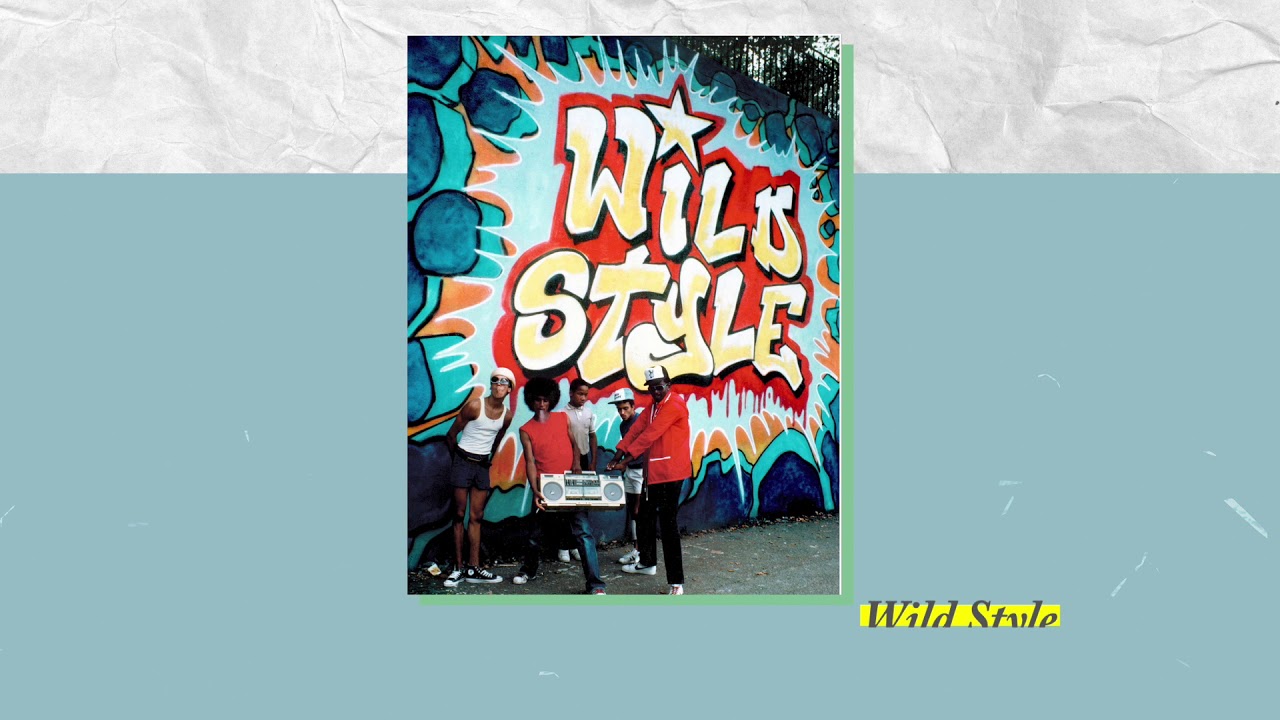
TLDRA news segment explores the evolution of graffiti from a condemned urban blight to a celebrated art form. Featuring pioneers like Futura 2000, Lady Pink, and Daze, the piece traces how 1970s and 80s New York teenagers transformed tagging into complex visual expression, often risking arrest to create large-scale works. A museum exhibit showcases their sketchbooks and legacy, while critics argue graffiti remains vandalism that damaged city life. Despite controversy, the movement’s cultural impact is undeniable, influencing major contemporary artists and reshaping public perception of youth-driven creativity and urban art.
Takeaways
- 😀 Graffiti, once seen as vandalism, is now being recognized as art, with some works selling for tens of thousands of dollars.
- 😀 Early graffiti artists, like Futura 2000, Lady Pink, and Days, started their careers in the 1970s and 80s, often using stolen spray paint to tag buildings and trains.
- 😀 Graffiti was initially all about tagging — creating a distinctive and stylish way to write one's street name.
- 😀 The process of graffiti creation was intense, involving risk and stealth, often painted at night with artists working in secrecy and facing constant danger.
- 😀 Many of these graffiti artists meticulously planned their work, turning their style into a form of personal and public expression.
- 😀 Martin Wong, a painter and mentor, believed in the artistic value of graffiti and helped preserve the work of young graffiti writers through photos and sketchbooks.
- 😀 Some critics argue that glorifying graffiti overlooks its negative effects on urban environments, seeing it as a sign of a city out of control.
- 😀 Graffiti is often only considered art if the artist is not arrested for it; otherwise, it's deemed vandalism or an appropriation of public space.
- 😀 As New York cracked down on graffiti, it started disappearing from public spaces, but it left a lasting cultural impact.
- 😀 Graffiti paved the way for other renowned artists like Keith Haring, Banksy, and Shepard Fairey, with many graffiti artists finding success in the art world.
- 😀 The Museum of the City of New York's graffiti exhibit has become one of its most popular, highlighting how teenagers contributed to an important cultural movement.
Q & A
What was graffiti originally considered in American cities during the 1970s and 80s?
-Graffiti was originally considered a form of vandalism and a scourge of American cities. It was seen as a public nuisance, with tags and spray-painted names covering walls and trains.
How has the perception of graffiti changed over time?
-Over time, graffiti has been elevated from a symbol of vandalism to an accepted form of art, with some graffiti artists now being showcased in museums and galleries. This shift reflects a broader recognition of graffiti as a legitimate art form.
Who are some of the key graffiti artists mentioned in the script?
-Key graffiti artists mentioned include Futura 2000 (Leonard McGar), Days (Chris Ellis), and Lady Pink (Sandra Fabara). These artists were part of the graffiti movement in the 1970s and 80s and have since transitioned into respected figures in the art world.
What was the appeal of graffiti for young people in the 1970s and 80s?
-Graffiti provided a way for young people, especially teenagers, to express themselves in a unique and distinctive manner. It also offered an opportunity to act as outlaws, creating art in public spaces using stolen spray paint while evading authorities.
How did graffiti artists work on their pieces?
-Graffiti artists would plan out their designs carefully, often using sketchbooks. They would create their pieces in challenging conditions, sometimes working in the dark to avoid detection. They also developed their skills in this environment, perfecting their unique styles.
Why was spray paint considered the ideal medium for graffiti?
-Spray paint was ideal for graffiti because it allowed for vibrant colors, dried quickly, and could be used on a large scale, making it perfect for creating large tags on walls, buses, and trains.
What was the role of Martin Wong in the graffiti movement?
-Martin Wong was a painter and a key figure in the graffiti movement. He became a mentor to many young graffiti artists and collected their works, including photos, sketches, and reproductions. His support helped to validate graffiti as an art form.
What is the argument made by critics who oppose the glorification of graffiti?
-Critics, like Heather McDonald, argue that graffiti should not be glorified because it represents vandalism. They view it as a defacement of public and private property, and some argue it had a detrimental effect on the spirit of the city.
How did New York City respond to graffiti in the 1980s and 90s?
-New York City began cracking down on graffiti in the 1980s and 90s, with increased efforts to clean up public spaces and subways. This crackdown led to the disappearance of graffiti from public streets and trains, although its cultural impact remained.
What is the lasting impact of the graffiti movement on modern art?
-The graffiti movement paved the way for major contemporary artists like Keith Haring, Banksy, and Shepard Fairey, who have achieved global recognition. Graffiti's influence can be seen in their works, which often incorporate street art techniques and themes of social commentary.
Outlines

Esta sección está disponible solo para usuarios con suscripción. Por favor, mejora tu plan para acceder a esta parte.
Mejorar ahoraMindmap

Esta sección está disponible solo para usuarios con suscripción. Por favor, mejora tu plan para acceder a esta parte.
Mejorar ahoraKeywords

Esta sección está disponible solo para usuarios con suscripción. Por favor, mejora tu plan para acceder a esta parte.
Mejorar ahoraHighlights

Esta sección está disponible solo para usuarios con suscripción. Por favor, mejora tu plan para acceder a esta parte.
Mejorar ahoraTranscripts

Esta sección está disponible solo para usuarios con suscripción. Por favor, mejora tu plan para acceder a esta parte.
Mejorar ahora


5.0 / 5 (0 votes)

