Penyearah tiga fasa
Summary
TLDRThis video script delves into the technical challenges and solutions involved in designing a high-power DC motor drive system. It focuses on the use of a three-phase full-wave rectifier, explaining its role in converting AC power into smooth, stable DC output. The script highlights the advantages of low ripple, balanced input current, and efficiency in heavy industrial applications. Despite higher initial costs and complexity, the rectifier's ability to handle large power loads efficiently makes it an optimal solution for reliable motor operation. Key takeaways include the importance of minimizing ripple, maintaining system balance, and maximizing efficiency.
Takeaways
- 😀 A major challenge in designing high-power DC motor drive systems is achieving reliable and smooth power conversion from AC to DC.
- 😀 The three-phase full-wave rectifier is the standard solution for converting three-phase AC to stable DC, commonly used in heavy-duty applications.
- 😀 The rectifier works by using six diodes in a precise configuration, where two diodes are always active at a time to ensure stable power output.
- 😀 Each diode in the rectifier is active for only 120 degrees, providing smooth transitions in power and reducing ripple in the DC output.
- 😀 The high-frequency ripple in the output (300 Hz for a 50 Hz input AC) is much easier to filter, allowing for smaller, cheaper filtering components.
- 😀 The low ripple and smooth DC output prevent motor issues such as uneven torque, vibrations, and overheating, improving motor lifespan.
- 😀 Compared to a single-phase rectifier, the three-phase rectifier offers a much smoother DC output, ensuring better motor performance and efficiency.
- 😀 While more diodes (six instead of four) increase initial costs, the benefits—such as reduced ripple and smaller filters—offset this expense.
- 😀 A key advantage of using the three-phase rectifier is the space-saving and cost-efficiency in filter components, leading to more compact and affordable designs.
- 😀 Engineers should focus on optimizing the use of the three-phase rectifier in future projects to maximize performance, efficiency, and motor lifespan.
Q & A
What is the main challenge faced by engineers when designing a high-power DC motor drive system?
-The main challenge is converting AC power into smooth and stable DC power, which is essential for the motor's reliable operation.
Why can't high-power DC motors be directly connected to a three-phase AC power supply?
-High-power DC motors cannot be directly connected to a three-phase AC power supply because the AC voltage is fluctuating and needs to be converted into stable DC for the motor to function properly.
What is the solution used to convert three-phase AC power into stable DC for motor drives?
-The solution is a three-phase full-wave rectifier, which efficiently converts the AC power into smooth and stable DC power.
How do the six diodes in a three-phase full-wave rectifier work together?
-The six diodes work in pairs, with one diode from the positive group and one from the negative group being active at any given moment. They capture the peak positive and negative voltages from each phase, ensuring a smooth transition and stable DC output.
Why is the frequency of ripple in the output of a three-phase rectifier higher than the input AC frequency?
-The frequency of ripple is higher because there are six peaks of voltage in each AC cycle, which increases the ripple frequency to six times the frequency of the input AC. For a 50 Hz AC input, this results in a ripple frequency of 300 Hz.
What advantages does the higher ripple frequency in a three-phase rectifier provide?
-The higher ripple frequency makes the DC output much easier to filter using smaller, more cost-effective components like capacitors and inductors.
How does the output from a three-phase rectifier compare to that from a single-phase rectifier?
-The output from a three-phase rectifier is much smoother, with lower ripple, while a single-phase rectifier has sharp voltage fluctuations and high ripple that can harm the motor.
What are the trade-offs of using a three-phase full-wave rectifier in a motor drive system?
-The trade-offs include the need for six diodes instead of four, which increases the initial cost and complexity. However, the advantages in terms of smoother DC output, reduced motor wear, and energy efficiency justify the higher upfront cost.
What role do smaller filter components play in a three-phase rectifier design?
-Smaller filter components reduce the overall size of the system, making it more compact and easier to manage in terms of heat dissipation and physical design.
Why is the three-phase full-wave rectifier considered the optimal choice for high-power motor drives in heavy industries?
-The three-phase full-wave rectifier is ideal for high-power motor drives because it provides low ripple, balanced input current, and high efficiency, which are critical for the performance of industrial motor systems.
Outlines

Esta sección está disponible solo para usuarios con suscripción. Por favor, mejora tu plan para acceder a esta parte.
Mejorar ahoraMindmap

Esta sección está disponible solo para usuarios con suscripción. Por favor, mejora tu plan para acceder a esta parte.
Mejorar ahoraKeywords

Esta sección está disponible solo para usuarios con suscripción. Por favor, mejora tu plan para acceder a esta parte.
Mejorar ahoraHighlights

Esta sección está disponible solo para usuarios con suscripción. Por favor, mejora tu plan para acceder a esta parte.
Mejorar ahoraTranscripts

Esta sección está disponible solo para usuarios con suscripción. Por favor, mejora tu plan para acceder a esta parte.
Mejorar ahoraVer Más Videos Relacionados

Preslav Upwork Profile Video

GAME OVER!? - A.I. Designs New ELECTRIC Motor
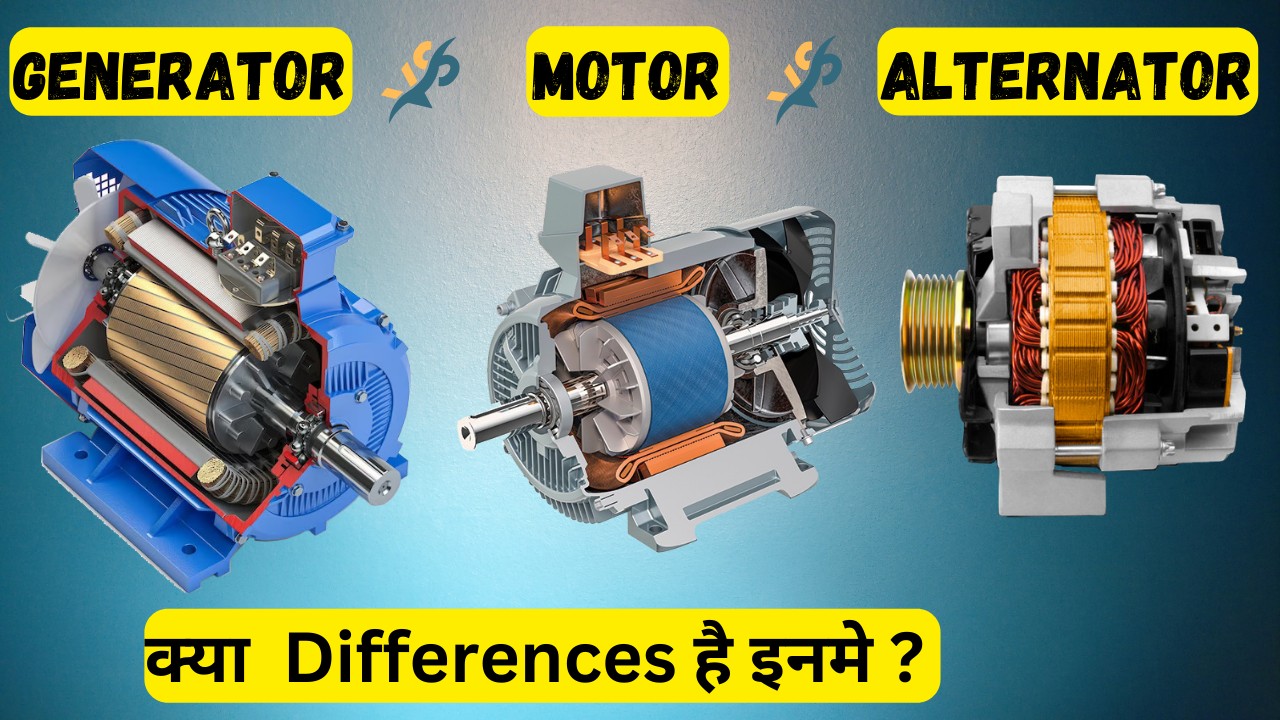
Motor VS Generator VS Alternator || How Generator, Motor And Alternator Works || In Hindi

Convex Relaxations in Power System Optimization: Solution Methods for AC OPF (5 of 8)

DC Motor, How it works?

COLOQUEI O MOTOR NA MOTO DE PAPELÃO!
5.0 / 5 (0 votes)

