Como dimensionar cabo e disjuntor? Aprenda em 15 minutos!
Summary
TLDRThis video tutorial teaches viewers how to calculate the correct cable size and voltage drop for electrical installations, specifically for motors. It covers using tools like NBR 5410 standards, temperature correction factors, and circuit breakers. The video emphasizes the importance of understanding these calculations for real-world electrical work, especially when tables or apps are unavailable. The step-by-step guide walks through the process, including how to handle different installation methods, how to choose the right wire gauge, and how to adjust for temperature and circuit conditions.
Takeaways
- 😀 Understanding electrical calculations is crucial, especially when tools or apps are unavailable on-site.
- 😀 You should always verify and calculate cable dimensions, voltage drop, and circuit protection manually to ensure safety.
- 😀 When calculating for specific loads, such as a 7,500-watt shower, choose cables based on current requirements and safety standards.
- 😀 Referring to standards like NBR 5410 is essential for selecting the correct cables and methods of installation based on current and voltage levels.
- 😀 Temperature correction factors are vital. For example, at 40°C, a correction factor of 0.87 applies, impacting cable capacity.
- 😀 Cable grouping also affects calculations. If no other circuits are running through the same conduit, no correction factor is applied, simplifying the process.
- 😀 Always check and adjust for voltage drop to ensure your cable can handle the required current without causing inefficiencies or hazards.
- 😀 A circuit breaker should be selected based on the cable's adjusted capacity, with a value slightly higher than the cable's maximum supported current.
- 😀 For a 220V circuit, ensure that the voltage drop doesn't exceed 4%. If it does, consider increasing cable size or re-evaluating the circuit design.
- 😀 Always use reliable tools, such as a good calculator, when performing electrical calculations for accuracy and efficiency in installations.
- 😀 Consistently applying these calculations ensures safe, efficient electrical systems and prevents costly mistakes during installations.
Q & A
What is the main topic of the video?
-The video explains how to calculate the appropriate cable dimension and voltage drop for an electrical circuit, using the NBR 5410 standard and practical examples.
Why does the speaker emphasize the importance of understanding calculations rather than relying solely on tables and apps?
-The speaker stresses that relying solely on tables and apps may not be feasible in every situation, such as when working on-site without access to these tools. It's important to be able to perform the calculations manually when needed.
What tools does the speaker suggest for performing the calculations?
-The speaker suggests using paper, a pen, a calculator, and a clear understanding of the formulas and tables to perform the necessary calculations.
How is the current of the circuit determined in the example given for the shower?
-The current for the circuit is determined using the power of the shower (7,500 watts) and the voltage (220 volts), resulting in a current of approximately 34.10 amperes.
What role do temperature and correction factors play in selecting the right cable size?
-Temperature correction factors are necessary because the resistance of copper cables changes with temperature, which affects the current-carrying capacity. The speaker uses the NBR 5410 tables to select the appropriate correction factors for temperature and cable grouping.
What does the speaker mean by 'correction factor for grouping'?
-The correction factor for grouping is used when multiple cables are run together in the same conduit or space, as this can affect the heat dissipation and the cable’s capacity. The speaker uses a correction factor of '1' because no other circuits are grouped with the shower circuit.
What happens if the temperature factor is not taken into account when choosing a cable?
-If the temperature factor is not considered, the cable may be undersized, leading to overheating and potential failure of the electrical system, as the resistance of the cable increases with higher temperatures.
How is the appropriate disconnector size chosen for the circuit?
-The disconnector size is chosen by comparing the current rating of the cable with the calculated current. The disconnector must be rated higher than the current but lower than the cable's maximum capacity. In the example, a 40-amp disconnector is chosen.
What is the maximum voltage drop allowed in the circuit, and how is it calculated?
-The maximum allowed voltage drop is usually 4%, but the speaker mentions that this can be adjusted depending on the installation conditions. The voltage drop is calculated using the formula involving the cable’s resistance, current, and length of the circuit.
Why does the speaker perform a 'real-world test' at the end of the video?
-The speaker performs a final check to ensure the selected cable and disconnector are appropriate by comparing their capacities with the calculated values, confirming that the system will work correctly under the expected conditions.
Outlines

Esta sección está disponible solo para usuarios con suscripción. Por favor, mejora tu plan para acceder a esta parte.
Mejorar ahoraMindmap

Esta sección está disponible solo para usuarios con suscripción. Por favor, mejora tu plan para acceder a esta parte.
Mejorar ahoraKeywords

Esta sección está disponible solo para usuarios con suscripción. Por favor, mejora tu plan para acceder a esta parte.
Mejorar ahoraHighlights

Esta sección está disponible solo para usuarios con suscripción. Por favor, mejora tu plan para acceder a esta parte.
Mejorar ahoraTranscripts

Esta sección está disponible solo para usuarios con suscripción. Por favor, mejora tu plan para acceder a esta parte.
Mejorar ahoraVer Más Videos Relacionados
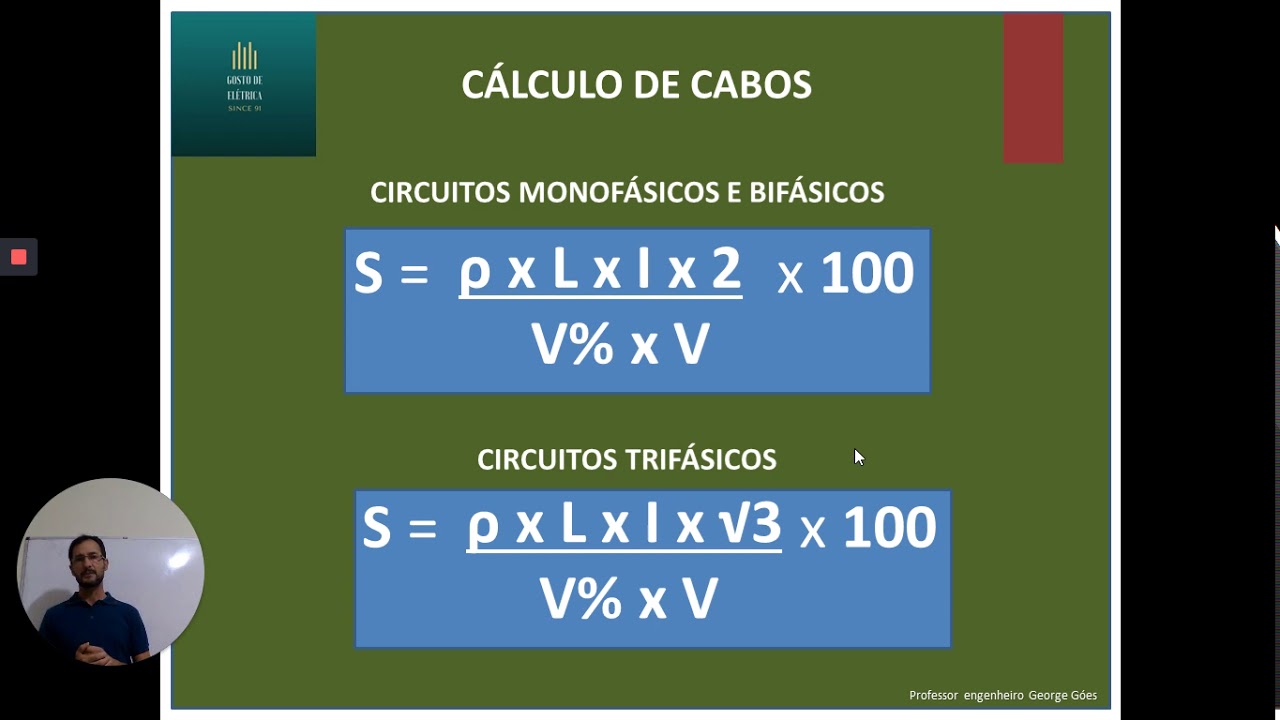
Cálculo cabos Queda de tensão

Cara Mudah!!! Menentukan Ampere MCB Instalasi Rumah Tinggal

Como calcular a seção do cabo pela distância, rápido e fácil !!

Basic Pembuatan SLD Pada Software ETAP || Single Line Diagram || Jaringan Distribusi ||
How to Calculate Conduit Fill

The cable calculation procedure for an EV (Electric vehicle) charger
5.0 / 5 (0 votes)

