Pola Pikir Kunci Pertumbuhan
Summary
TLDRThis video explores the power of mindset, distinguishing between a fixed mindset and a growth mindset. It explains how the way we perceive challenges, failures, and success can shape our growth and development. Through examples of two fictional characters, J and N, the script illustrates how a fixed mindset leads to fear and avoidance, while a growth mindset fosters resilience and continuous learning. It also provides practical tips for cultivating a growth mindset, such as praising effort over talent, embracing failure as part of the learning process, and encouraging new challenges. The core message is that mindset is a choice, and it profoundly impacts our potential for growth.
Takeaways
- 😀 Fixed mindset leads to avoiding challenges due to fear of failure, while growth mindset sees challenges as opportunities to grow.
- 😀 People with a fixed mindset believe intelligence and talent are innate and unchangeable, while those with a growth mindset believe skills can be developed through effort and learning.
- 😀 The key to a growth mindset is seeing effort and failure as part of the learning process, not as something to avoid.
- 😀 Praise effort over inherent talent. Instead of saying 'You're so smart', say 'Your hard work is impressive'.
- 😀 In a fixed mindset, setbacks are seen as evidence of failure, whereas in a growth mindset, setbacks are viewed as learning experiences.
- 😀 People with a fixed mindset are threatened by the success of others, while those with a growth mindset are inspired by it.
- 😀 Companies today favor employees with a growth mindset because they are more adaptable, open to learning, and solutions-focused when faced with challenges.
- 😀 Growth mindset leads to resilience, as individuals understand that failures are just data for improvement, not permanent roadblocks.
- 😀 Growth mindset promotes a positive, proactive approach to problem-solving, while fixed mindset tends to lead to avoidance.
- 😀 Developing a growth mindset is not permanent, it can be trained and cultivated through specific actions such as embracing challenges and valuing effort.
Q & A
What is the main difference between a fixed mindset and a growth mindset?
-The main difference is that people with a fixed mindset believe intelligence and abilities are static, while those with a growth mindset believe abilities can be developed through effort and learning.
How do people with a fixed mindset react to challenges?
-People with a fixed mindset tend to avoid challenges because they fear failure and don't want to appear incompetent.
How do people with a growth mindset approach challenges?
-People with a growth mindset view challenges as opportunities to learn and grow. They embrace them as part of the process of becoming better.
What happens when people with a fixed mindset receive criticism?
-People with a fixed mindset often take criticism personally and may feel attacked or defensive, as they see it as a judgment of their abilities.
How do people with a growth mindset react to criticism?
-People with a growth mindset see criticism as valuable feedback that can help them improve. They view it as part of the learning process.
What is the significance of effort in the context of a growth mindset?
-In a growth mindset, effort is seen as crucial for development. Individuals understand that consistent practice and learning are the keys to improving their abilities.
How does a growth mindset influence the way people perceive others' success?
-People with a growth mindset see others' success as inspiring and believe that success is achievable for themselves through hard work and learning.
What is the key belief underlying a fixed mindset?
-The key belief is that intelligence and talent are fixed traits that cannot be changed, so the goal is to constantly prove one's worth rather than improve.
What does the growth mindset teach us about failure?
-The growth mindset teaches us that failure is not an end but a valuable part of the learning process. It provides data that helps individuals improve and grow.
How can parents and leaders encourage a growth mindset?
-Parents and leaders can encourage a growth mindset by praising effort instead of inherent talent, pushing for trying new things, and framing failure as part of the learning process.
Outlines

Esta sección está disponible solo para usuarios con suscripción. Por favor, mejora tu plan para acceder a esta parte.
Mejorar ahoraMindmap

Esta sección está disponible solo para usuarios con suscripción. Por favor, mejora tu plan para acceder a esta parte.
Mejorar ahoraKeywords

Esta sección está disponible solo para usuarios con suscripción. Por favor, mejora tu plan para acceder a esta parte.
Mejorar ahoraHighlights

Esta sección está disponible solo para usuarios con suscripción. Por favor, mejora tu plan para acceder a esta parte.
Mejorar ahoraTranscripts

Esta sección está disponible solo para usuarios con suscripción. Por favor, mejora tu plan para acceder a esta parte.
Mejorar ahoraVer Más Videos Relacionados
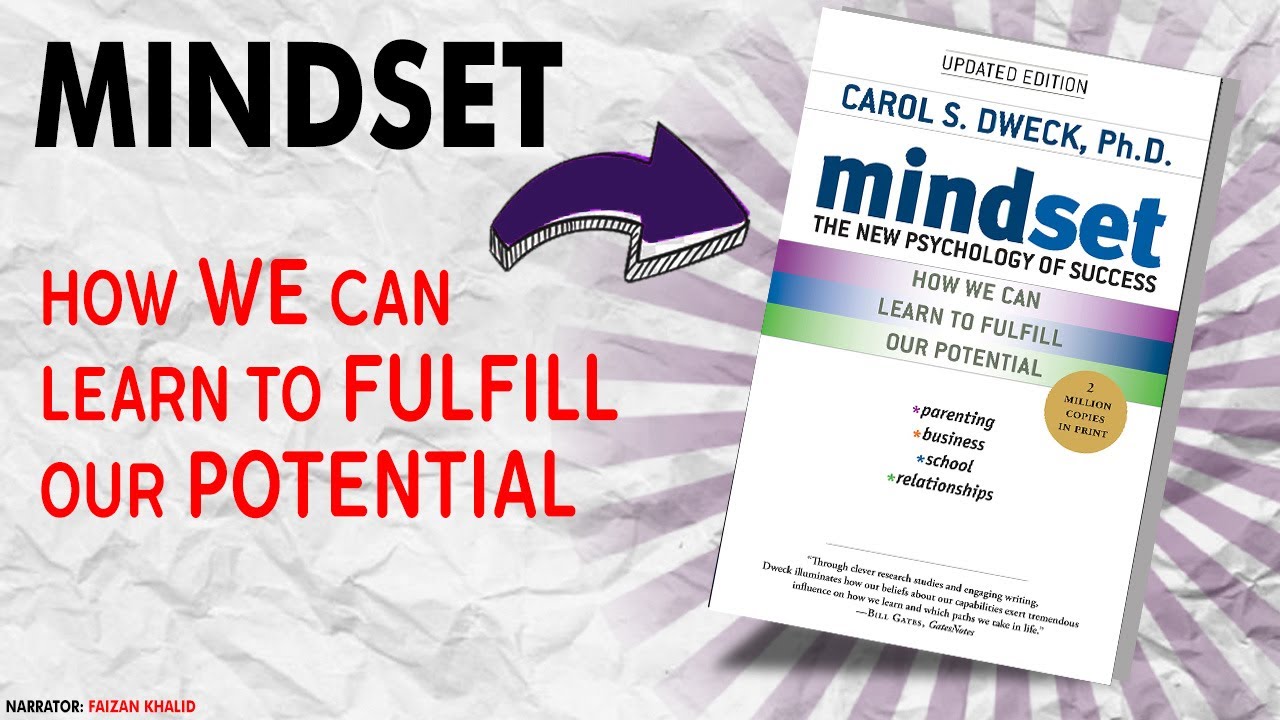
Mindset book summary in urdu: The New Psychology of SuccessBook by Carol Dweck

Mindset: La actitud del éxito, de Carol Dweck | Resumen Arata Academy 21

Mindset dan Mental ala 1% Orang Sukses di Dunia

THE MINDSET YOU NEED | Inspired by Denzel Washington | Motivational Speech
The Mindset of a Champion | Carson Byblow | TEDxYouth@AASSofia

Intro to Agile Mindset
5.0 / 5 (0 votes)

