Anecdotal Notes
Summary
TLDRThis video explains the format and key elements of an anecdotal note in early childhood education. It emphasizes the importance of including background information (date, location, child's name, time of observation), a detailed description of the child's actions, and how the observation concluded. The video also provides practical tips for successful note-taking, such as using abbreviations, being specific in detail, and keeping notes brief. By following these guidelines, practitioners can write effective anecdotal notes that assist in planning learning experiences and tracking children's progress.
Takeaways
- 😀 Anecdotal notes are a tool used by early childhood practitioners to observe and document children's behavior and actions.
- 😀 These notes should include essential details such as the child's name, the date of the observation, the location, and the time of day.
- 😀 The format of an anecdotal note includes three parts: background information, a description of what happened, and the conclusion of the child's actions.
- 😀 To be useful, anecdotal notes should be specific and detailed, avoiding vague descriptions like 'Mabel said something.'
- 😀 Abbreviations can be used in anecdotal notes to save time, but all teachers should agree on which abbreviations will be used for consistency.
- 😀 Teachers should aim for brevity in anecdotal notes, distinguishing them from narratives, which are more in-depth and longer.
- 😀 It’s important to avoid including excessive information or making notes unnecessarily long. A concise note is more effective.
- 😀 Writing anecdotal notes helps early childhood educators plan learning experiences for students based on the observed behavior and abilities.
- 😀 The use of a standardized format ensures that anecdotal notes are consistent and easier to compare across different classrooms.
- 😀 Anecdotal notes are meant to capture relevant abilities and behaviors aligned with educational standards, rather than provide detailed personal stories.
- 😀 Teachers are encouraged to reflect on their observations and select the most relevant information for inclusion in their notes.
Q & A
What is the primary purpose of writing anecdotal notes in Early Childhood settings?
-The primary purpose of writing anecdotal notes is to document children's behavior and development based on observations, helping practitioners plan learning experiences.
What are the three main components that should be included in an anecdotal note?
-The three main components are: 1) Background information (date, child's name, location, and time), 2) Description of what happened (specific actions and words of the child), and 3) How the child's actions ended.
Why is it important to use abbreviations in anecdotal notes?
-Using abbreviations helps make note-taking faster and more consistent across teachers and classrooms, ensuring that everyone uses the same shortcuts for commonly referenced areas or activities.
How can teachers ensure consistency when using abbreviations in anecdotal notes?
-Teachers can meet as a group to decide on the abbreviations to be used, ensuring uniformity in how anecdotal notes are written across the center and making it easier to compare notes as children progress through different classrooms.
What should be the focus when writing anecdotal notes?
-Anecdotal notes should focus on specific details related to children's behaviors, abilities, and learning experiences, capturing key moments that align with educational goals.
How detailed should anecdotal notes be?
-Anecdotal notes should be specific and detailed, but concise. It's important to write down exactly what the child did and said, avoiding vague generalizations.
How do anecdotal notes differ from narratives in Early Childhood observations?
-Anecdotal notes are brief and focused on specific behaviors related to learning goals, while narratives are longer and provide a deeper, more in-depth analysis of a child's behavior over time.
Why is brevity important in anecdotal notes?
-Brevity is important because anecdotal notes should capture important observations quickly without delving into lengthy descriptions. This ensures the notes remain focused on key behaviors and are easy to reference.
What does an anecdotal note typically include at the beginning?
-At the beginning, an anecdotal note typically includes background information, such as the child's name, the date, the location of the observation, and the time of day the observation occurred.
What is an example of a specific detail that should be included in an anecdotal note?
-Instead of writing 'Mabel said something,' a more specific note would be, 'Mabel said, 'I start' with a big M.' This provides clarity and context to the child's words and actions.
Outlines

Esta sección está disponible solo para usuarios con suscripción. Por favor, mejora tu plan para acceder a esta parte.
Mejorar ahoraMindmap

Esta sección está disponible solo para usuarios con suscripción. Por favor, mejora tu plan para acceder a esta parte.
Mejorar ahoraKeywords

Esta sección está disponible solo para usuarios con suscripción. Por favor, mejora tu plan para acceder a esta parte.
Mejorar ahoraHighlights

Esta sección está disponible solo para usuarios con suscripción. Por favor, mejora tu plan para acceder a esta parte.
Mejorar ahoraTranscripts

Esta sección está disponible solo para usuarios con suscripción. Por favor, mejora tu plan para acceder a esta parte.
Mejorar ahoraVer Más Videos Relacionados

Cara Membuat ASESMEN PAUD Kurikulum Merdeka

Introduction
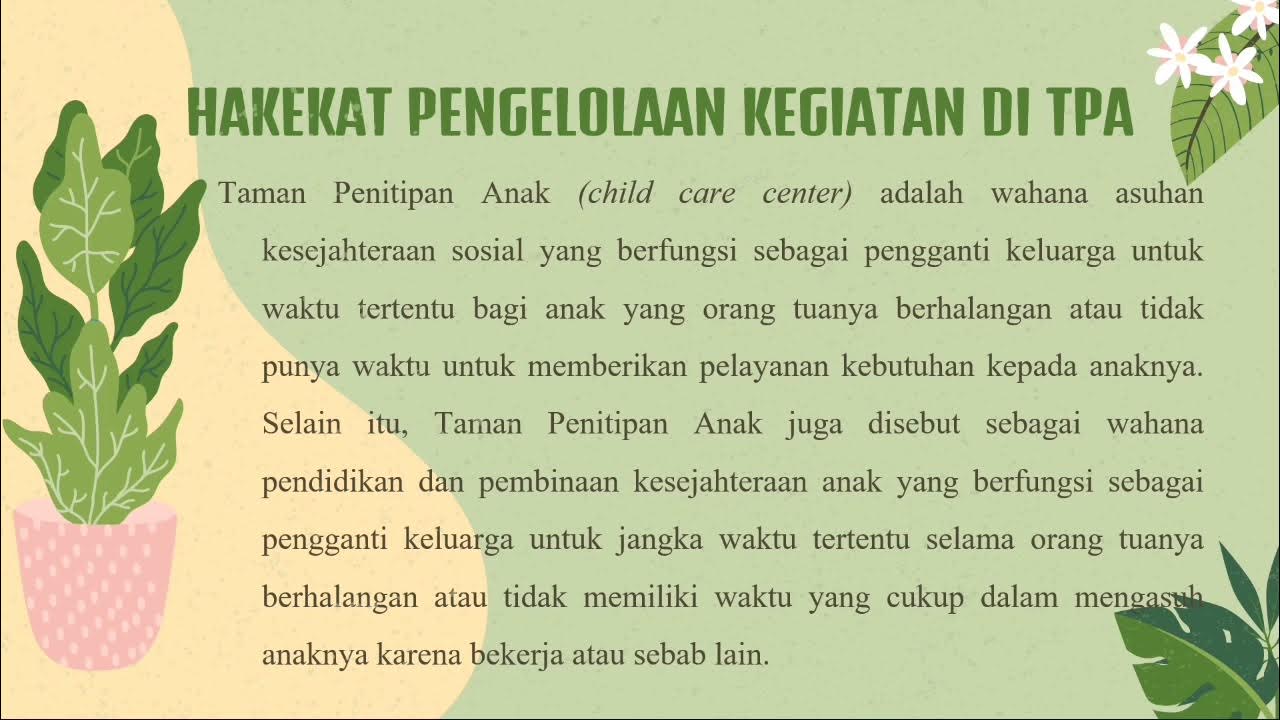
RUANG LINGKUP PENGELOLAAN KEGIATAN DI LEMBAGA PAUD

JOGO, BRINQUEDO, BRINCADEIRA E A EDUCAÇÃO I Tizuko Kishimoto I Resenha

How Early Childhood Experiences Affect Lifelong Health and Learning

DIMENSI, ELEMEN DAN SUB ELEMEN PROFIL PELAJAR PANCASILA KURIKULUM MERDEKA
5.0 / 5 (0 votes)

