Financial Statement Analysis: Analyzing Stock Investments - Accounting video
Summary
TLDRIn this video, part 10 of a financial statement analysis series, the focus is on three key ratios used to evaluate stock investments: Price-Earnings (P/E) Ratio, Dividend Yield, and Book Value per Share. The P/E ratio compares a company’s market price to its earnings, the Dividend Yield shows the annual return as a percentage of the stock's market value, and Book Value per Share reflects the equity per common stock share. The video emphasizes calculating these ratios and understanding them in the context of industry standards for assessing a company’s financial health.
Takeaways
- 😀 The video focuses on calculating financial ratios to determine a company's health, with comparisons within its industry.
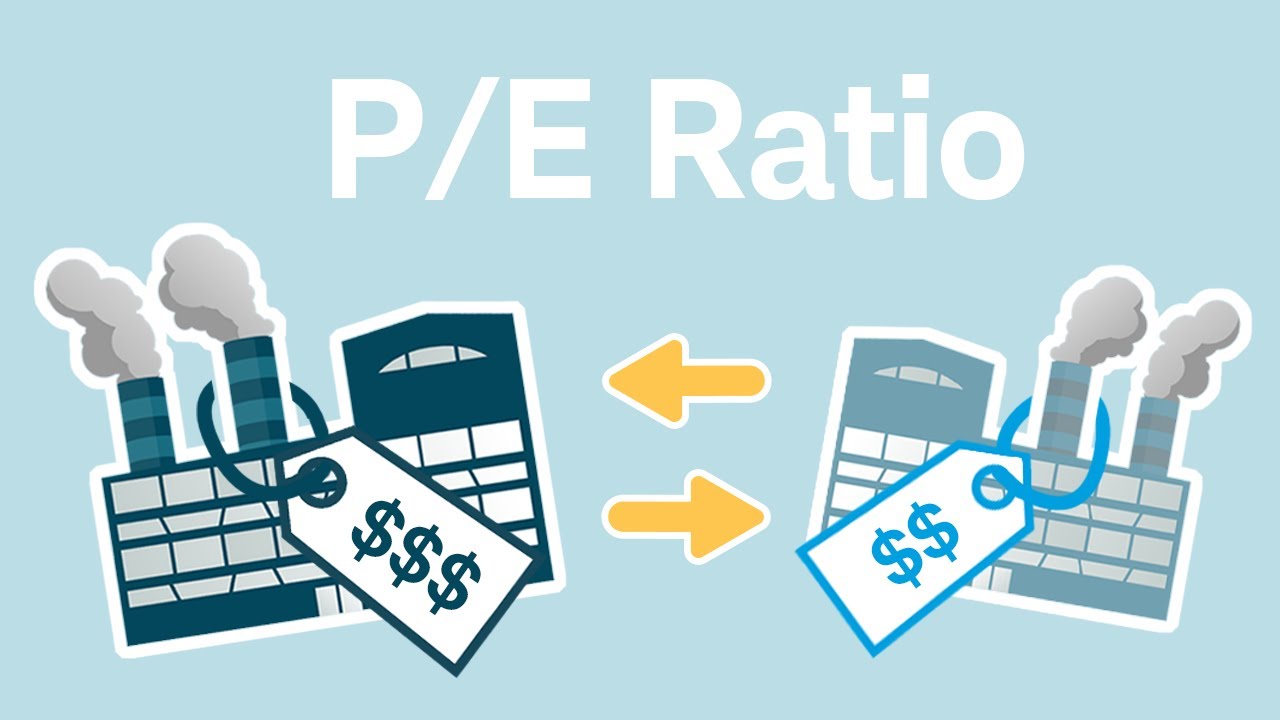
- 😀 The Price Earnings (P/E) Ratio reflects how much investors are willing to pay for $1 of a company's earnings.
- 😀 To calculate the P/E Ratio, divide the market price per share by earnings per share (EPS), where EPS is calculated by subtracting preferred dividends from net income and dividing by shares outstanding.
- 😀 The Dividend Yield ratio shows the percentage of a stock's market value returned as dividends.
- 😀 Dividend Yield is calculated by dividing the dividend per share by the market price per share.
- 😀 Dividend per share is found by dividing common dividends by shares outstanding.
- 😀 The Book Value per Share of Common Stock represents the equity value of one share in the company.
- 😀 To calculate Book Value per Share, subtract the book value of preferred stock from total stockholders' equity and divide by shares outstanding.
- 😀 The Book Value of Preferred Stock is calculated by adding preferred equity and preferred dividends.
- 😀 After calculating the three ratios, it's crucial to compare them to industry standards to assess if they are appropriate.
- 😀 The speaker advises looking beyond just a few financial ratios for a comprehensive analysis of a company's health.
Q & A
What is the Price Earnings (P/E) ratio?
-The Price Earnings (P/E) ratio is the market price of $1 of earnings, or how much investors are willing to pay for $1 of a company's earnings. It is calculated by dividing the market price per share by the earnings per share (EPS).
How is Earnings Per Share (EPS) calculated?
-Earnings Per Share (EPS) is calculated by subtracting preferred dividends from net income and then dividing that by the number of shares of common stock outstanding.
What is the formula for calculating the Dividend Yield?
-The Dividend Yield is calculated by dividing the dividend per share by the market price per share. It shows what percentage of the stock's market value is returned annually as dividends.
How do you calculate the dividend per share?
-The dividend per share is calculated by dividing the total common dividends by the number of common shares outstanding.
What does the Dividend Yield tell us about a stock?
-The Dividend Yield indicates the annual return an investor would receive from dividends relative to the stock's current market price. A 1.5% dividend yield means the stock returns 1.5% of its value in dividends each year.
What is the Book Value per Share of Common Stock?
-The Book Value per Share of Common Stock represents the amount of equity that each share of common stock holds in the company. It is calculated by taking the total stockholders' equity, subtracting the book value of preferred stock, and dividing by the number of shares of common stock outstanding.
How is the Book Value of Preferred Stock calculated?
-The Book Value of Preferred Stock is calculated by adding the preferred equity and the preferred dividends.
What does a Book Value per Share of $7.10 indicate?
-A Book Value per Share of $7.10 indicates that each share of common stock holds $7.10 worth of equity in the company.
What is the significance of comparing a company's ratios to others in its industry?
-Comparing a company's ratios to others in its industry helps determine how well the company is performing relative to its competitors. It provides a benchmark for assessing whether the company's financial health is strong or weak.
What is the general purpose of calculating financial ratios for a company?
-Financial ratios help investors and analysts assess the financial health and performance of a company. By analyzing these ratios, one can determine if the company is profitable, solvent, and capable of generating returns for shareholders.
Outlines

Esta sección está disponible solo para usuarios con suscripción. Por favor, mejora tu plan para acceder a esta parte.
Mejorar ahoraMindmap

Esta sección está disponible solo para usuarios con suscripción. Por favor, mejora tu plan para acceder a esta parte.
Mejorar ahoraKeywords

Esta sección está disponible solo para usuarios con suscripción. Por favor, mejora tu plan para acceder a esta parte.
Mejorar ahoraHighlights

Esta sección está disponible solo para usuarios con suscripción. Por favor, mejora tu plan para acceder a esta parte.
Mejorar ahoraTranscripts

Esta sección está disponible solo para usuarios con suscripción. Por favor, mejora tu plan para acceder a esta parte.
Mejorar ahoraVer Más Videos Relacionados





5.0 / 5 (0 votes)

