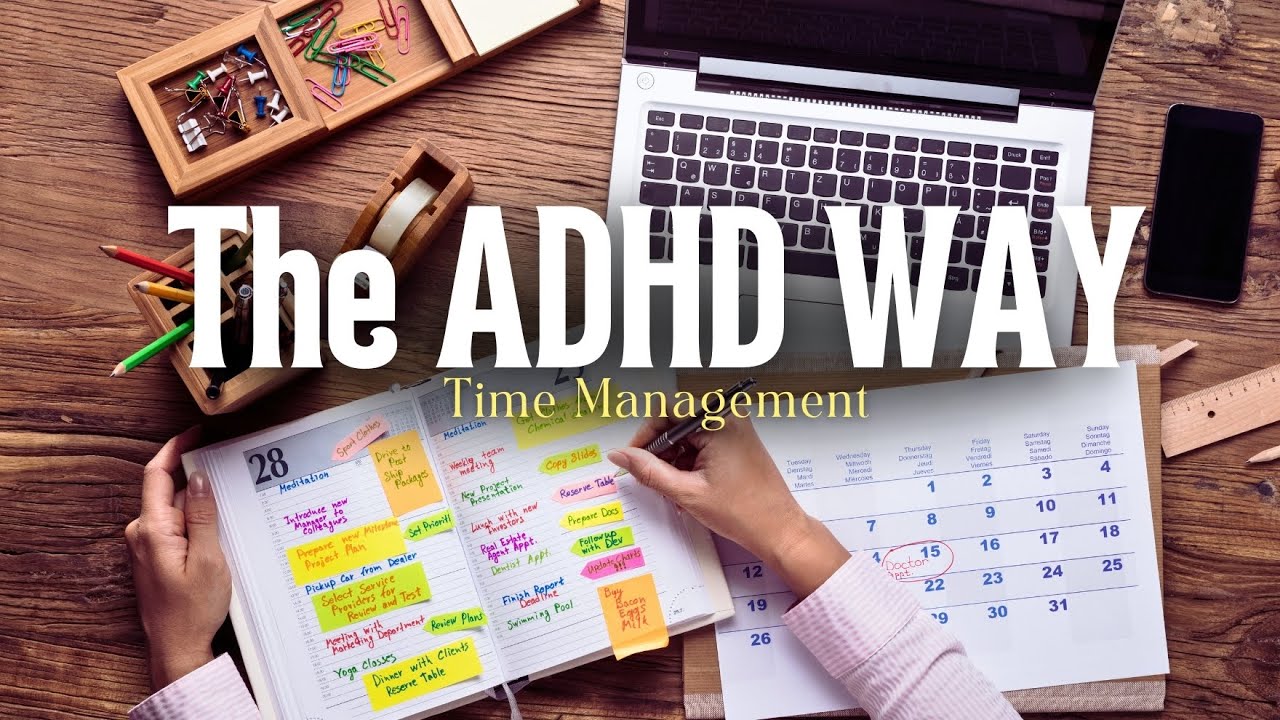
Why Time Blocking Doesn't Work For ADHD & What To Do Instead
Summary
TLDRThis video introduces a flexible time management method designed for ADHD brains, moving away from rigid time blocking. It suggests batching tasks into emotional sprints—such as Urgent, Admin, and Creative—based on how they feel, rather than their type. The Kaizen approach encourages continuous improvement through regular brain dumps, work logs, and adjustments to energy levels. The system promotes working in focused chunks, creating daily highlights, and using hard stops to prevent procrastination. The goal is not perfection but a balanced, personalized way to improve productivity while managing ADHD challenges.
Takeaways
- 😀 Time blocking doesn't work well for ADHD brains due to fluctuating energy and focus levels, making rigid schedules challenging to follow.
- 😀 ADHD brains require a productivity method that aligns tasks with emotional and energy states rather than rigid time schedules.
- 😀 Instead of time-blocking, tasks can be grouped into sprints based on their emotional or energetic impact, such as 'urgent', 'admin', and 'creative'.
- 😀 A 'brain dump' at the beginning of each day helps clear mental clutter and allows tasks to be organized based on how they feel, rather than by type.
- 😀 The 'urgent sprint' includes tasks with immediate deadlines or high consequences, motivating ADHD brains through urgency.
- 😀 The 'admin sprint' is for boring, repetitive tasks that drain energy, such as emails or scheduling, which require strategies like body doubling to manage.
- 😀 Creative tasks, which are energizing and fun, are grouped in their own sprint to tap into motivation and hyperfocus.
- 😀 Rather than forcing yourself to do the hardest task first, choose a sprint based on current energy levels, making work feel less resistant and more natural.
- 😀 Task switching should be avoided because it disrupts momentum; work through one sprint in full before moving to the next.
- 😀 The Kaizen system, based on continuous improvement, encourages tracking and adjusting your workflow over time, allowing for self-awareness and progress.
Q & A
What is the core issue with traditional time blocking for people with ADHD?
-Traditional time blocking assumes that individuals have a consistent sense of time and energy, which is not the case for ADHD brains. ADHD brains often experience fluctuating energy levels, and time blocking doesn't account for how tasks feel emotionally or mentally, leading to difficulties in sticking to the schedule.
How does the new productivity system for ADHD differ from traditional time blocking?
-Instead of batching tasks by type (e.g., emails, admin work), the new system batches them by how stressful or energizing they feel. Tasks are grouped into 'sprints' based on emotional energy, pressure, and urgency, making the system more adaptable to fluctuating ADHD energy levels.
What are the three main categories (sprints) used in the new productivity system?
-The three main categories are 'Urgent' (tasks with immediate deadlines), 'Admin' (boring but necessary tasks), and 'Creative' (tasks that are energizing and enjoyable). Tasks are grouped based on how they feel to the brain, not just their type.
Why is task switching problematic for individuals with ADHD?
-Task switching disrupts momentum and reduces focus. ADHD brains often struggle to switch between tasks, leading to a loss of energy and concentration. The system encourages working through a sprint as one chunk without interruptions or breaks until it's completed.
What role does the 'daily highlight' play in this productivity system?
-The daily highlight is the one task that defines whether the day is a success or not. It's a way to focus on one key accomplishment, which helps reduce overwhelm and perfectionism, especially when multiple tasks remain unfinished by the end of the day.
What is the purpose of keeping a work log in this system?
-A work log helps track what tasks were done, when they were done, and how long they took. This data allows individuals to identify productivity patterns and adjust their approach over time, improving the efficiency of future sprints.
How does this system address the issue of procrastination in ADHD?
-The system minimizes procrastination by allowing individuals to follow their energy and mood, working on tasks that feel right at the moment. This reduces resistance and helps build momentum, unlike traditional productivity methods that force starting with the hardest task first.
What is the benefit of grouping tasks by emotional energy rather than by type?
-Grouping tasks by emotional energy helps individuals with ADHD better align their work with their mood and motivation. Tasks that are less emotionally draining or more engaging are easier to tackle when the brain is not in a productive state, leading to higher completion rates.
How does the 'Kaizen' system help ADHD brains?
-The Kaizen system is based on continuous improvement through small, manageable steps. It allows for adjustments and refinements after each sprint, helping individuals learn from their experiences and adapt their approach over time, which is especially beneficial for ADHD brains that thrive on flexibility.
What are some of the challenges with using this system for ADHD, and how are they addressed?
-A key challenge is that many ADHD individuals may struggle to set up and maintain the system. To address this, the creator of the Kaizen system offers pre-built tools and a supportive community, ensuring users don’t get overwhelmed. The system emphasizes progress over perfection, making it easier to stick with.
Outlines

Esta sección está disponible solo para usuarios con suscripción. Por favor, mejora tu plan para acceder a esta parte.
Mejorar ahoraMindmap

Esta sección está disponible solo para usuarios con suscripción. Por favor, mejora tu plan para acceder a esta parte.
Mejorar ahoraKeywords

Esta sección está disponible solo para usuarios con suscripción. Por favor, mejora tu plan para acceder a esta parte.
Mejorar ahoraHighlights

Esta sección está disponible solo para usuarios con suscripción. Por favor, mejora tu plan para acceder a esta parte.
Mejorar ahoraTranscripts

Esta sección está disponible solo para usuarios con suscripción. Por favor, mejora tu plan para acceder a esta parte.
Mejorar ahoraVer Más Videos Relacionados



5.0 / 5 (0 votes)

