How the Ottoman Empire was Carved Up (Short Animated Documentary)
Summary
TLDRThe video discusses the collapse of the Ottoman Empire during World War I and the secret negotiations that shaped the modern Middle East. The Sykes-Picot Agreement of 1916, largely ignored promises to Arab leaders, divided Ottoman territories between Britain and France. Despite offering Hussein bin Ali a kingdom in Arabia, Britain secretly scaled back his territory. As the war ended, Britain expanded its control, while France gained Syria and Lebanon. The betrayal led to the creation of several new states, including Iraq, Syria, and Saudi Arabia, fundamentally shaping the region's borders.
Takeaways
- 😀 The Ottoman Empire's alliance with the Central Powers in World War I led to the threat of its collapse.
- 😀 The British, French, and Russians quickly began to plan how to divide Ottoman territory after declaring war on the Ottomans.
- 😀 Several agreements were made during and after the war, including the 1915 Constantinople Agreement, which gave Russia parts of Ottoman territory, and the Treaty of London, which gave Italy land in the south.
- 😀 The most significant agreement was the 1916 Sykes-Picot Agreement, which outlined the division of Ottoman lands between Britain and France.
- 😀 Britain promised the Sharif of Mecca, Hussein bin Ali, an independent kingdom in exchange for his help in the Arab Revolt, though this promise was later broken.
- 😀 The Sykes-Picot Agreement allocated territories with little regard for local populations, ensuring British and French control over key areas.
- 😀 Britain would gain control over Mesopotamia and a puppet state in northern Arabia, while France would control Syria and Lebanon.
- 😀 France pushed for control of Mosul due to its oil resources, but Britain agreed only if France accepted additional territories.
- 😀 After the Russian Revolution, Britain's interests became more dominant as Russia dropped out of the war, allowing Britain to secure more territory.
- 😀 The Balfour Declaration in 1917 supported the creation of a Jewish state in Palestine, which would remain under British control until it was independent.
- 😀 In the aftermath of the war, Britain effectively reneged on many of its promises, securing more territory for itself while France gained less than expected.
- 😀 King Hussein of Hejaz, betrayed by Britain, was eventually ousted from power as Saudi Arabia rose under Abdulaziz Ibn Saud's leadership.
Q & A
Why did the Ottoman Empire side with the Central Powers during World War I?
-The Ottoman Empire sided with the Central Powers because it faced territorial threats from the Allied forces, who were already planning how to divide its lands after the declaration of war.
What were the main agreements made between the Allied Powers regarding the Ottoman Empire's territories during World War I?
-Several agreements were made, including the 1915 Constantinople Agreement (granting Russia Constantinople and Eastern Anatolia), the Treaty of London (which gave Italy lands to the south), and the Sykes-Picot Agreement of 1916, which divided the Ottoman lands into spheres of influence for Britain, France, and Russia.
What was the Sykes-Picot Agreement, and why was it significant?
-The Sykes-Picot Agreement of 1916 was a secret arrangement between Britain and France to divide the Ottoman Empire's lands into spheres of influence. Its significance lies in its impact on the modern borders of the Middle East, shaping the political landscape of the region.
What promise did Britain make to the Sharif of Mecca during World War I?
-In early 1916, Britain promised the Sharif of Mecca, Hussein bin Ali, a kingdom of Arabia, free of European interference, if he supported the Allied Powers against the Ottoman Empire.
How did Britain deceive Hussein bin Ali regarding the size of the kingdom he was promised?
-Britain promised Hussein a large kingdom of Arabia but ultimately made the territory much smaller than agreed. Hussein was not informed of this change until after the war, to prevent him from halting his rebellion against the Ottomans.
How did the Sykes-Picot Agreement affect the land distribution in the Middle East?
-The agreement divided Ottoman territories, with Britain gaining control over Mesopotamia and parts of northern Arabia, France gaining Syria and Lebanon, and Palestine becoming an internationally administered protectorate.
Why did France insist on gaining control over Mosul during the Sykes-Picot negotiations?
-France pushed for control over Mosul due to its interest in the region’s oil reserves, which were crucial for their economic interests.
How did the collapse of the Russian Empire impact the implementation of the Sykes-Picot Agreement?
-After the Russian Empire fell to the Bolshevik Revolution, Russia’s territorial ambitions became irrelevant, allowing Britain to claim more land in the northern regions, which had previously been promised to Russia.
What role did the Balfour Declaration play in the post-Ottoman Middle East?
-The Balfour Declaration of 1917 expressed Britain’s support for the creation of a Jewish homeland in Palestine, which had significant implications for the future political landscape of the region.
What was the long-term impact of the Sykes-Picot Agreement on the Middle East?
-The long-term impact of the Sykes-Picot Agreement was the creation of modern Middle Eastern states, including Iraq, Syria, Lebanon, Israel, Kuwait, Jordan, and Saudi Arabia, with borders that have remained largely intact to this day.
Outlines

Esta sección está disponible solo para usuarios con suscripción. Por favor, mejora tu plan para acceder a esta parte.
Mejorar ahoraMindmap

Esta sección está disponible solo para usuarios con suscripción. Por favor, mejora tu plan para acceder a esta parte.
Mejorar ahoraKeywords

Esta sección está disponible solo para usuarios con suscripción. Por favor, mejora tu plan para acceder a esta parte.
Mejorar ahoraHighlights

Esta sección está disponible solo para usuarios con suscripción. Por favor, mejora tu plan para acceder a esta parte.
Mejorar ahoraTranscripts

Esta sección está disponible solo para usuarios con suscripción. Por favor, mejora tu plan para acceder a esta parte.
Mejorar ahoraVer Más Videos Relacionados
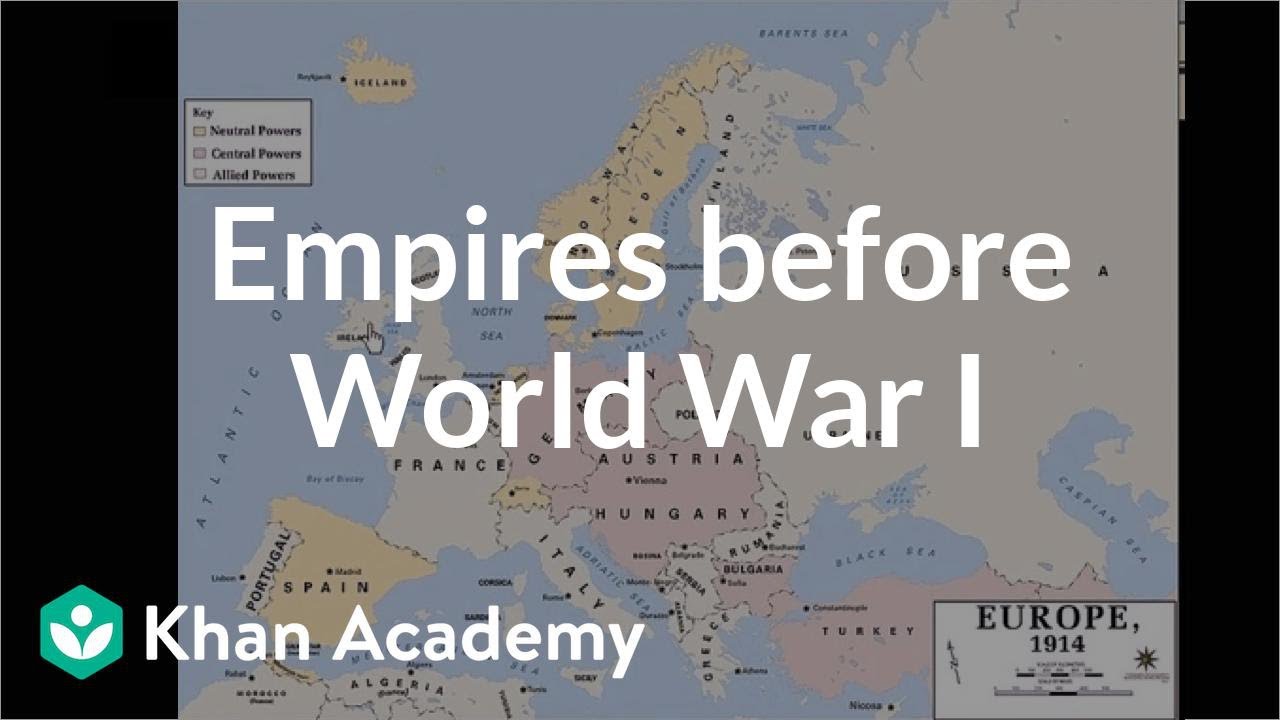
Empires before World War I | Khan Academy
The Middle East During WWI | World History Project

How the First World War Created the Middle East Conflicts (Documentary)
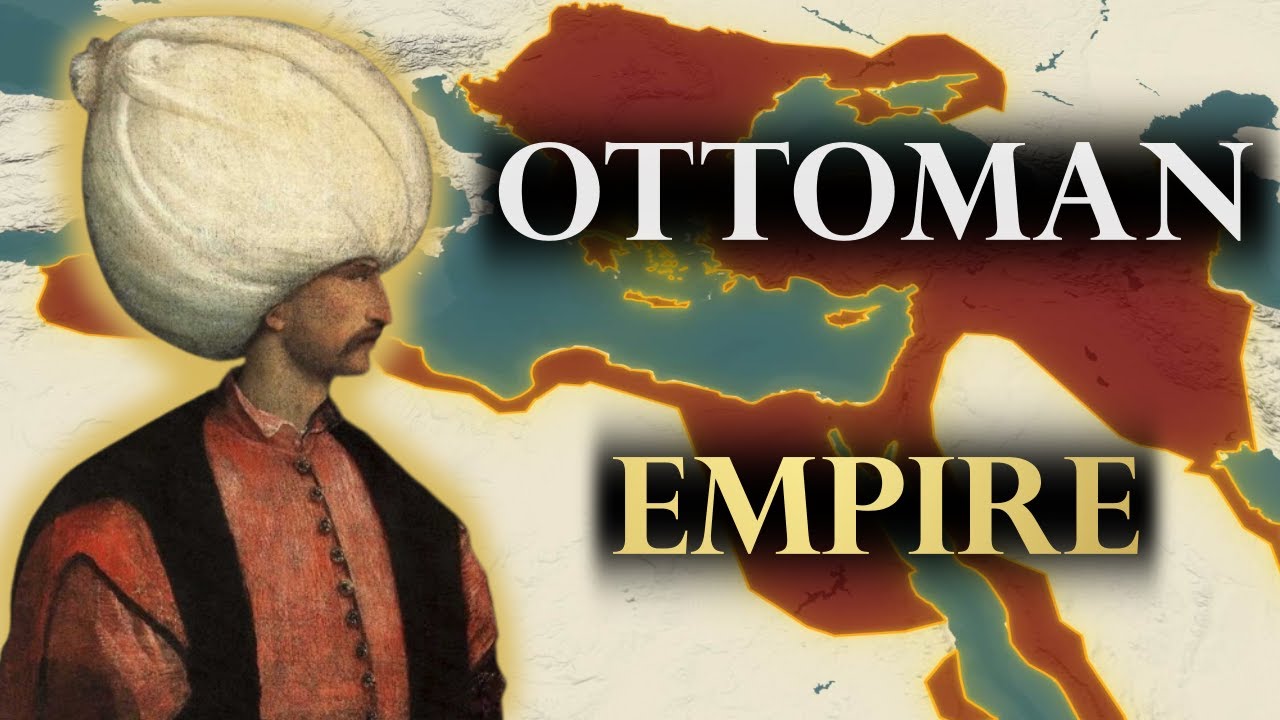
The Entire History of the Ottoman Empire
AMERIKA & EROPA TIDAK TERTARIK JAJAH ARAB SAUDI ! TERNYATA KARENA HAL INI

Conflitos no Oriente Médio: resumão de História
5.0 / 5 (0 votes)

