GNED 02 | ETHICS | 1: Introduction to Ethics + Importance of Rules
Summary
TLDRThe video discusses the fundamental concepts of ethics, morality, and rules, explaining their importance in shaping human behavior and societal structures. It explores how ethics, derived from the Greek word *ethos*, governs right and wrong actions, while morality defines the practices aligned with these ethical standards. The speaker emphasizes the necessity of rules in maintaining order, justice, and fairness within society, preventing anarchy and ensuring the protection of individuals' rights. The discussion also highlights the role of rules in regulating behavior, protecting economic systems, and ensuring product and employee safety.
Takeaways
- 😀 Ethics is derived from the Greek word 'ethos,' meaning character and manners. It focuses on the morality of human actions and the reasons behind them.
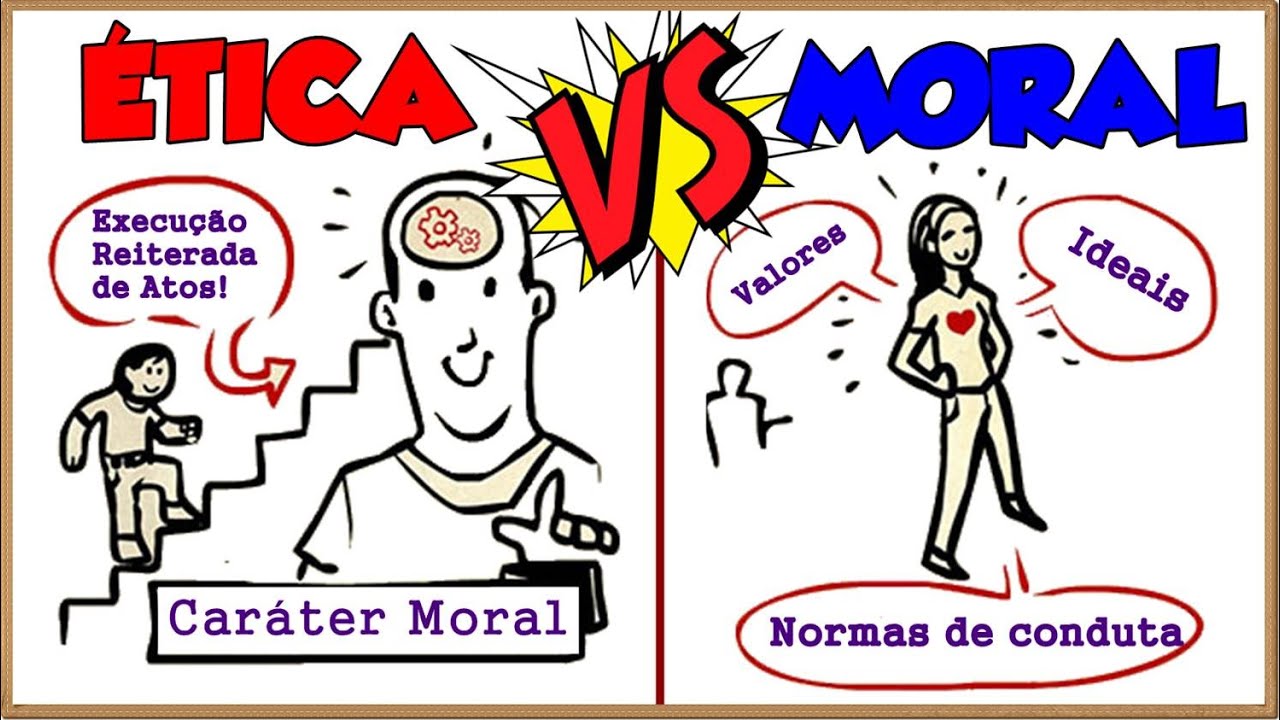
- 😀 Ethics is a branch of philosophy that studies the rightness or wrongness of human behavior, while morality refers to the practice of these ethical principles.
- 😀 Rules are explicit or understood regulations governing conduct in specific activities or societies, providing a framework for acceptable and unacceptable behavior.
- 😀 Without rules, society would likely descend into anarchy, leading to disorder and chaos.
- 😀 Rules are important for protecting social beings by regulating behavior, ensuring consequences for violations to maintain order.
- 😀 Rules guarantee individual rights and freedoms by establishing frameworks for society, such as constitutions and laws.
- 😀 A system of rules fosters a sense of justice, preventing the exploitation and domination of weaker individuals or groups in society.
- 😀 Rules also contribute to a stable system that provides justice and ensures fairness in society.
- 😀 In an economic context, rules are essential for ensuring product safety, employee safety, and the protection of intellectual property.
- 😀 The importance of rules extends to ensuring a healthy economic system, supporting product quality, and regulating financial systems to avoid instability.
- 😀 Overall, rules and regulations are necessary to protect the greater good, enhance societal morale, and maintain a peaceful and functional society.
Q & A
What is the origin of the word 'ethics'?
-The word 'ethics' comes from the Greek word 'ethos,' which means character and manners. It refers to the distinctive qualities and behaviors that define human beings.
How is ethics defined in the context of philosophy?
-Ethics is a branch of philosophy that examines morality, including the rightness or wrongness of human actions. It also explores the reasons behind those actions.
What is the relationship between ethics and morality?
-Ethics is the science that studies morality, while morality is the practice of ethics. Essentially, ethics provides the theoretical framework, and morality represents the practical application of that framework.
Why are rules important in society?
-Rules are important because they regulate behavior, establish boundaries, and ensure order in society. Without rules, a society could fall into anarchy, which leads to disorder.
What are some examples of rules in society?
-Examples of rules in society include laws, ordinances, and constitutions. These rules govern various aspects of behavior, from public conduct to personal rights and freedoms.
What is the purpose of having rules in public places?
-Rules in public places help maintain order and ensure that people behave in acceptable ways. They create frameworks that guide societal conduct, making interactions safer and more predictable.
What can happen if a society lacks rules?
-Without rules, a society may fall into anarchy, leading to disorder and the breakdown of social systems. Rules are crucial for maintaining stability and justice within a community.
What role do rules play in protecting individual rights and freedoms?
-Rules guarantee individual rights and freedoms by establishing frameworks that protect people from harm, exploitation, and injustice. For example, a constitution outlines the basic rights of citizens.
How do rules contribute to a sense of justice?
-Rules help establish fairness by preventing the strong from dominating the weak. They ensure that people are treated equally and that exploitation and injustice are minimized.
Why are rules essential for a healthy economic system?
-Rules are essential for a healthy economic system because they ensure product safety, employee safety, quality control, and protect intellectual property. They also regulate industries to prevent economic instability.
Outlines

Esta sección está disponible solo para usuarios con suscripción. Por favor, mejora tu plan para acceder a esta parte.
Mejorar ahoraMindmap

Esta sección está disponible solo para usuarios con suscripción. Por favor, mejora tu plan para acceder a esta parte.
Mejorar ahoraKeywords

Esta sección está disponible solo para usuarios con suscripción. Por favor, mejora tu plan para acceder a esta parte.
Mejorar ahoraHighlights

Esta sección está disponible solo para usuarios con suscripción. Por favor, mejora tu plan para acceder a esta parte.
Mejorar ahoraTranscripts

Esta sección está disponible solo para usuarios con suscripción. Por favor, mejora tu plan para acceder a esta parte.
Mejorar ahoraVer Más Videos Relacionados

Ética x Moral: Como diferenciar?? || Conceitos, definições ||

Aula 2 - Princípios Éticos
Ética e Moral: Saiba como diferenciar?? || O que é, Conceitos, Definições e Exemplos

ÉTICA x MORAL

Filsafat Hukum dan Etika Profesi 03 | Pengertian Filsafat Hukum #tutorial #belajar #negara

FILSAFAT NILAI ETIKA@rohanasyamsuddin8280 https://youtu.be/nvddT5YT6L4
5.0 / 5 (0 votes)

