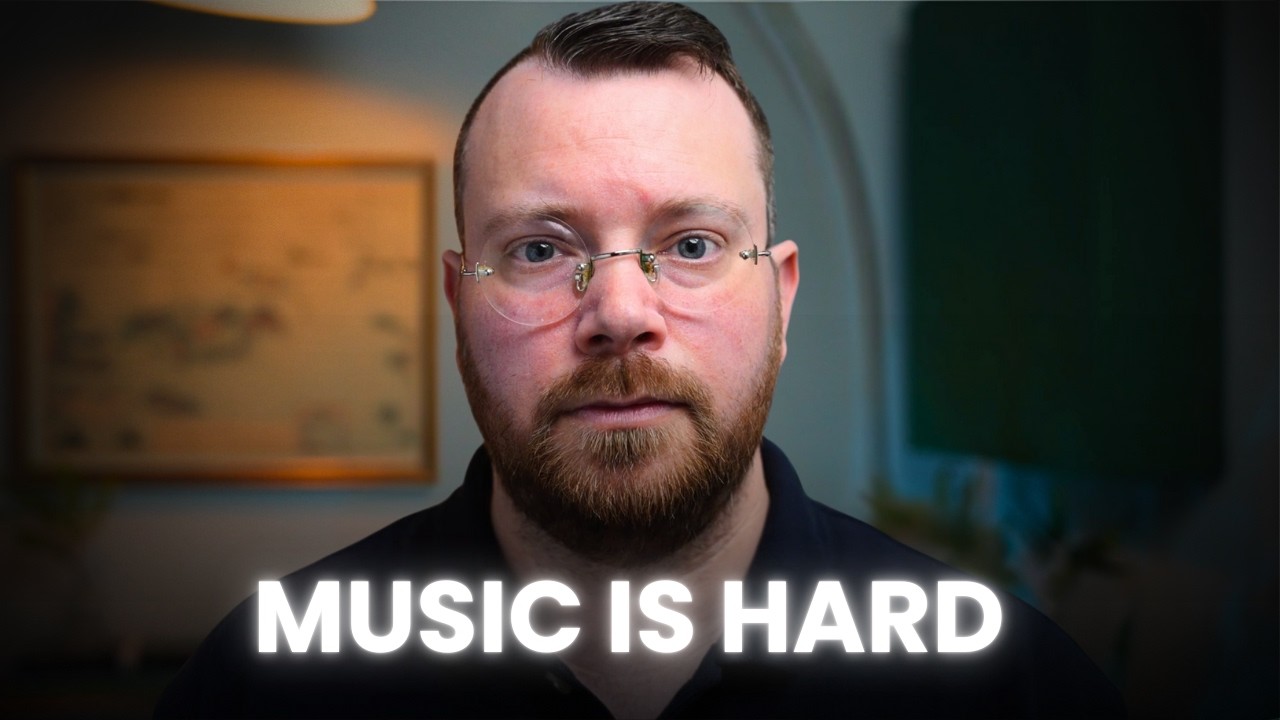
I'm 33. If You're a Composer in Your 20's, Watch This.
Summary
TLDRIn this insightful video, a composer shares 13 essential lessons learned over two decades in the concert music world, ranging from beginner to advanced insights. He discusses the challenges of sustaining passion beyond the initial 'spark,' navigating impostor syndrome, the importance of professionalism, and the value of financial literacy. Through personal anecdotes, he highlights the significance of balancing career achievements with personal growth, building lasting relationships, and cultivating a sustainable income. The video offers valuable advice for aspiring and established composers seeking long-term success in a competitive industry.
Takeaways
- 😀 Keep going even after the initial spark of passion fades. The big breakthroughs often come after the fire starts to cool down.
- 😀 Don't let limited thinking or assumptions hold you back. Treat your beliefs with skepticism until you've tested them with experience.
- 😀 Stop worrying about what others think. Many of your peers won't be around in 10 years, so focus on your unique vision.
- 😀 Imposter syndrome is a constant. Learn to acknowledge it and keep moving forward, even when you feel like a fraud.
- 😀 Being a full-time composer might not be as ideal as it seems. Financial stability from outside sources can provide more creative freedom.
- 😀 Build a career you're afraid to lose. The fear of losing what you've created can motivate you to keep going during tough times.
- 😀 Don't just accumulate knowledge—focus on one mentor, one method, and follow it religiously to see real progress.
- 😀 Treat the new music world professionally. Simple things like turning in readable sheet music and being responsive can set you apart.
- 😀 Financial literacy is crucial for a sustainable career as a composer. Understand how money works and manage it wisely to reduce stress.
- 😀 Growth often feels like chaos. Embrace the discomfort, as it's a sign of progress and the need to rebuild your systems for a higher level.
Q & A
What is the importance of the initial spark or 'fire' for composers?
-The initial spark or 'fire' in a composer’s journey is crucial because it fuels the motivation to learn notation, theory, and get the first performance. It serves as the driving force that starts a composer on their path. However, it’s essential to understand that this fire often fades over time, and composers must learn to continue creating even as that initial passion diminishes.
Why is it dangerous for composers to think in absolutes about their career?
-Thinking in absolutes like 'nobody programs new music anymore' or 'competitions are rigged' limits a composer’s perspective. Such beliefs are often based on limited exposure and experiences. Composers need to keep an open mind and challenge these assumptions to understand the full scope of opportunities and possibilities in the music world.
How does imposter syndrome affect composers, and how should they deal with it?
-Imposter syndrome is a recurring challenge for composers, where they feel like frauds despite achievements. This feeling doesn’t go away with success; it evolves as new challenges arise. Composers should acknowledge the feeling, set it aside, and keep moving forward with their work. The key is to keep creating, even when feeling like an imposter.
What role does financial stability play in a composer’s career?
-Financial stability allows composers to focus on their craft without the constant pressure of needing every project to generate income. Having a steady income stream, whether through teaching, conducting, or other music-related activities, enables composers to take creative risks and invest in their future projects without the fear of financial collapse.
What is the connection between personal life and professional success for composers?
-Long-term career success for composers is not just about professional achievements like awards or commissions. It’s about balancing career goals with personal projects and well-being. Composers who thrive are often those who prioritize their personal life — whether that’s family, therapy, or community involvement — alongside their professional work.
Why should composers aim to grow their career every day, and what are some actionable steps?
-Composers should aim to take small, consistent actions every day to grow their career. Simple steps, like reaching out to performers for collaborations, submitting pieces for calls for scores, or sharing performance updates, build momentum over time. Doing this consistently ensures that, 6 to 12 months later, the composer will have moved forward in their career.
What is the value of a full-time job outside of composing for a composer?
-Having a full-time job outside of composing, such as teaching or performing, can provide financial stability and reduce the pressure to make every composition financially successful. It also allows composers to invest in their artistic career without the stress of financial survival, enabling them to focus more on creative growth and long-term goals.
How does the new classical music world treat professionalism, and why is it important for composers to meet this standard?
-In the new classical music world, professionalism is often defined by simple actions: turning in readable sheet music, responding to emails promptly, and showing up on time. Meeting these basic standards can make a significant difference in a composer’s career because it sets them apart from others who may be less reliable, making them more likely to be invited for future opportunities.
What is 'loss aversion' and how can it benefit a composer’s long-term career?
-Loss aversion is a psychological concept where people are more motivated by the fear of losing something they already have than the potential to gain something new. For composers, building a career that they are afraid to lose — by securing ongoing performances, collaborations, and recordings — helps them maintain motivation and perseverance, even during tough times.
How can a composer avoid burnout while trying to balance multiple commissions or projects?
-Burnout is a real risk for composers juggling multiple projects. One way to avoid this is to build systems that work for the level of activity the composer is experiencing. As career demands grow, composers should regularly reassess their systems and workflow to ensure they can manage their responsibilities effectively, without feeling overwhelmed. It’s important to recognize that growth often feels chaotic, and composers need to adapt to these new challenges.
Outlines

Esta sección está disponible solo para usuarios con suscripción. Por favor, mejora tu plan para acceder a esta parte.
Mejorar ahoraMindmap

Esta sección está disponible solo para usuarios con suscripción. Por favor, mejora tu plan para acceder a esta parte.
Mejorar ahoraKeywords

Esta sección está disponible solo para usuarios con suscripción. Por favor, mejora tu plan para acceder a esta parte.
Mejorar ahoraHighlights

Esta sección está disponible solo para usuarios con suscripción. Por favor, mejora tu plan para acceder a esta parte.
Mejorar ahoraTranscripts

Esta sección está disponible solo para usuarios con suscripción. Por favor, mejora tu plan para acceder a esta parte.
Mejorar ahoraVer Más Videos Relacionados



5.0 / 5 (0 votes)

