Result
Summary
TLDRThe video explains how to structure the Results section of a research paper using the widely cited two-move model by Swales (2004). It outlines Move 1, which focuses on reporting results through steps such as restating data analysis procedures, research questions, and presenting both general and specific findings. Move 2 covers commenting on results, including interpreting findings, comparing them with previous studies, and evaluating limitations. The presenter illustrates these moves with color-coded examples, helping researchers understand how to clearly present and contextualize their findings. The video offers a concise, practical guide for improving the clarity and organization of research results.
Takeaways
- 😀 The research results section in a paper is often referred to as the 'findings' and it presents the outcome of the research in a logical sequence.
- 😀 Results report the findings based on the methodology applied and the data gathered during the research.
- 😀 The 'moves' framework for reporting results in research was proposed by SWS in 2004 and is widely used by researchers.
- 😀 The first move in the results section is reporting results, which involves four steps: restating data analysis procedures, restating research questions, stating general findings, and stating specific findings.
- 😀 Step 1 of Move 1 requires the researcher to remind the readers of the data analysis procedure used in the research.
- 😀 Step 2 of Move 1 requires the researcher to remind the readers of the research questions that guided the study.
- 😀 Step 3 of Move 1 involves stating the general findings from the research, providing an overview of the results.
- 😀 Step 4 of Move 1 requires the researcher to provide detailed descriptions of specific findings from the research.
- 😀 The second move in the results section is commenting on the results, which involves three steps: interpreting results, comparing results with previous studies, and evaluating the results.
- 😀 Step 1 of Move 2 involves the researcher interpreting the results, providing a broader understanding of what the findings mean without going into as much depth as in the discussion section.
- 😀 Step 2 of Move 2 allows the researcher to compare their results with previous studies, identifying similarities or differences in findings.
Q & A
What is the main focus of the video script?
-The main focus of the video script is to discuss the structure and process of reporting results in a research paper, particularly using the 'move' structure proposed by SWS in 2004.
What are the two main moves in the results section of a research paper according to SWS (2004)?
-The two main moves are: 1) Reporting results and 2) Commenting on results.
What is the first step in Move 1 (Reporting Results)?
-The first step in Move 1 is restating the data analysis procedure, which involves reminding the readers about the methodology used in the research.
Why is it important to restate the research questions in the results section?
-Restating the research questions in the results section helps readers recall the focus of the research, ensuring that the results are connected to the original questions posed in the study.
What does 'stating general findings' mean in the context of Move 1?
-Stating general findings refers to providing an overview of the results, summarizing the main outcomes of the research in broad terms without delving into specific details.
How is 'stating specific findings' different from 'stating general findings'?
-'Stating specific findings' involves describing the detailed results of the research, offering a deeper dive into the data compared to the general overview given in the previous step.
What does Move 2 (Commenting on Results) involve?
-Move 2 involves three steps: 1) Interpreting the results, 2) Comparing the results with previous studies, and 3) Evaluating the results or the research methodology used.
What is the purpose of comparing results with previous studies in Move 2?
-Comparing the results with previous studies helps situate the current research within the broader academic context, showing how it aligns with or differs from prior findings.
Why is it important to evaluate the results or research in Move 2?
-Evaluating the results allows the researcher to acknowledge limitations of the study, providing a clearer understanding of the research's strengths and weaknesses, especially in relation to the methodology applied.
How do the colors green and blue in the script represent different moves?
-In the script, sentences marked in green represent Move 1 (reporting results), while sentences marked in blue represent Move 2 (commenting on results). This color coding helps distinguish the different aspects of reporting and analyzing results.
Outlines

Esta sección está disponible solo para usuarios con suscripción. Por favor, mejora tu plan para acceder a esta parte.
Mejorar ahoraMindmap

Esta sección está disponible solo para usuarios con suscripción. Por favor, mejora tu plan para acceder a esta parte.
Mejorar ahoraKeywords

Esta sección está disponible solo para usuarios con suscripción. Por favor, mejora tu plan para acceder a esta parte.
Mejorar ahoraHighlights

Esta sección está disponible solo para usuarios con suscripción. Por favor, mejora tu plan para acceder a esta parte.
Mejorar ahoraTranscripts

Esta sección está disponible solo para usuarios con suscripción. Por favor, mejora tu plan para acceder a esta parte.
Mejorar ahora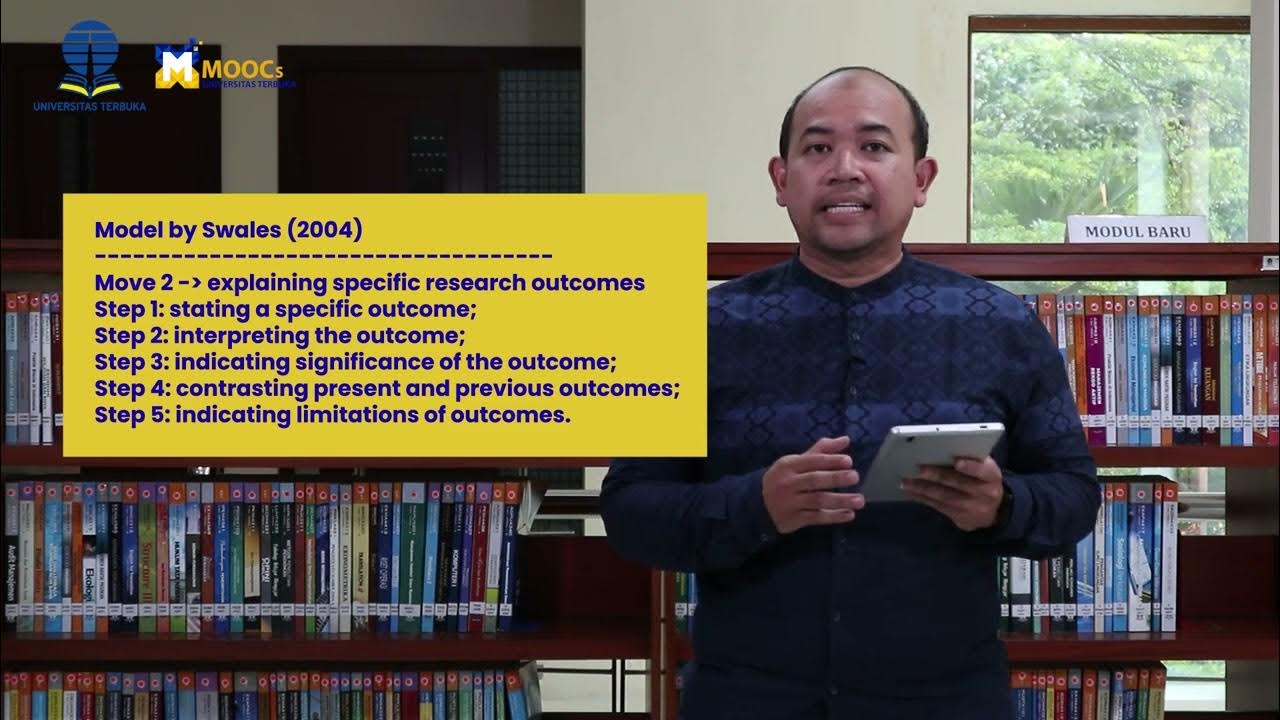




5.0 / 5 (0 votes)

