US-China trade war explained
Summary
TLDRThe script traces the escalating US–China trade and technology confrontation, framing tariffs, export controls and bans as a modern 'Great Wall.' It outlines four decades of economic integration since China’s 1978 reforms and WTO accession, rapid export growth, and Beijing’s Made in China 2025 push that produced global champions like Huawei and BYD. The US response—tariffs, sanctions, and tech restrictions—stems from trade deficits, security concerns, IP and market-distortion claims. Both sides have reciprocated with steep duties, risking a damaging global slowdown. Ultimately the piece asks not who will win, but who stands to lose most.
Takeaways
- 😀 China's economic rise has been accompanied by growing tensions with the US, particularly in trade.
- 😀 The US has implemented tariffs as high as 104% on Chinese goods, sparking reciprocal measures from China.
- 😀 China's economic model is state-controlled, with heavy government involvement in sectors like technology, infrastructure, and exports.
- 😀 The US-China trade war is rooted in longstanding issues, with China benefiting from cheap labor and a trade surplus with the US.
- 😀 China's 2001 entry into the World Trade Organization (WTO) marked a significant surge in exports, leading to a global economic shift.
- 😀 Despite China's success, the US accuses China of distorting competition through unfair practices such as technology theft and state-backed capitalism.
- 😀 China's 'Made in China 2025' initiative aims to boost high-tech industries, positioning China as a major player in areas like AI, robotics, and electric vehicles.
- 😀 The US has imposed numerous trade barriers and sanctions on Chinese companies like Huawei, ZTE, and DJI, citing national security concerns.
- 😀 President Trump's economic policies, including tariffs and trade restrictions, were designed to counter China's rise and protect US jobs.
- 😀 While the US-China trade war has subsided in recent years, its long-term effects include disrupted global supply chains and increased economic interdependence, with both sides suffering losses.
Q & A
What is the main focus of the US-China trade conflict as discussed in the script?
-The main focus is the escalating trade war between the US and China, characterized by the imposition of tariffs by both countries. The trade conflict stems from issues like trade imbalances, intellectual property concerns, and China's state-supported economic policies.
How did China's economy evolve from the 1980s to the 2000s?
-Starting in 1978, China moved toward liberalizing its economy, abandoning strict communist policies. By the 1980s, China began exporting products made with cheap labor to the US, which led to a trade surplus for China and a deficit for the US. After joining the World Trade Organization in 2001, China’s exports grew rapidly, reaching $1.4 trillion by 2008.
What was the significance of the term 'chime' in the context of US-China trade?
-The term 'chime' is a combination of 'China' and 'America,' representing the intertwined and mutually dependent trade relationship between the two countries, where China's growth was heavily tied to US consumption and vice versa.
What was the impact of the 2008 global financial crisis on the US and China?
-During the 2008 financial crisis, the US economy contracted by nearly 2%, while China’s economy grew by 9.8%, showcasing the resilience of China’s economic model compared to the US's struggles.
What were the key features of China's 'Made in China 2025' economic plan?
-The 'Made in China 2025' plan, launched in 2015, focused on promoting ten high-tech sectors, including electric vehicles, AI, advanced robotics, and biotechnology. The goal was to transform China into a global leader in these fields through state-backed investment and innovation.
What role did tariffs play in Trump's trade strategy with China?
-Tariffs were a primary tool used by President Trump to address the trade imbalance with China. By imposing tariffs on Chinese goods, Trump aimed to reduce the trade deficit and pressure China on intellectual property issues and unfair trade practices.
How did the US restrict Chinese tech companies like Huawei and ZTE?
-The US imposed sanctions on Chinese tech companies like Huawei and ZTE, accusing them of violating sanctions on Iran and posing national security risks. The US restricted their access to critical technologies, like chips, and banned their products, such as Huawei's 5G equipment and DJI drones.
What was the global impact of the US-China trade war according to the World Bank?
-The World Bank warned that the US-China trade war could lead to a dramatic contraction in trade between the two countries, potentially reducing global GDP by nearly 7%. This would have wide-ranging repercussions on the global economy.
How did China's technology sector respond to US tariffs and restrictions?
-In response to US tariffs and restrictions, China accelerated its investment in domestic innovation. As a result, by 2024, China became a global leader in several tech sectors, including electric vehicles, solar panels, and high-speed rail.
What is the long-term economic competition between the US and China likely to entail?
-The long-term economic competition between the US and China is likely to revolve around technological innovation, trade policies, and geopolitical influence. Both countries are focusing on developing their own industries while also seeking to secure global dominance in high-tech sectors.
Outlines

Esta sección está disponible solo para usuarios con suscripción. Por favor, mejora tu plan para acceder a esta parte.
Mejorar ahoraMindmap

Esta sección está disponible solo para usuarios con suscripción. Por favor, mejora tu plan para acceder a esta parte.
Mejorar ahoraKeywords

Esta sección está disponible solo para usuarios con suscripción. Por favor, mejora tu plan para acceder a esta parte.
Mejorar ahoraHighlights

Esta sección está disponible solo para usuarios con suscripción. Por favor, mejora tu plan para acceder a esta parte.
Mejorar ahoraTranscripts

Esta sección está disponible solo para usuarios con suscripción. Por favor, mejora tu plan para acceder a esta parte.
Mejorar ahoraVer Más Videos Relacionados

China imposes 84% tariffs on the US | BBC News

Is time on China's side in Trump's trade war? | DW News

Did Trump really just levy a 245% tariff on China? | About That

U.S. trade war: How China is fighting Trump’s tariffs | About That
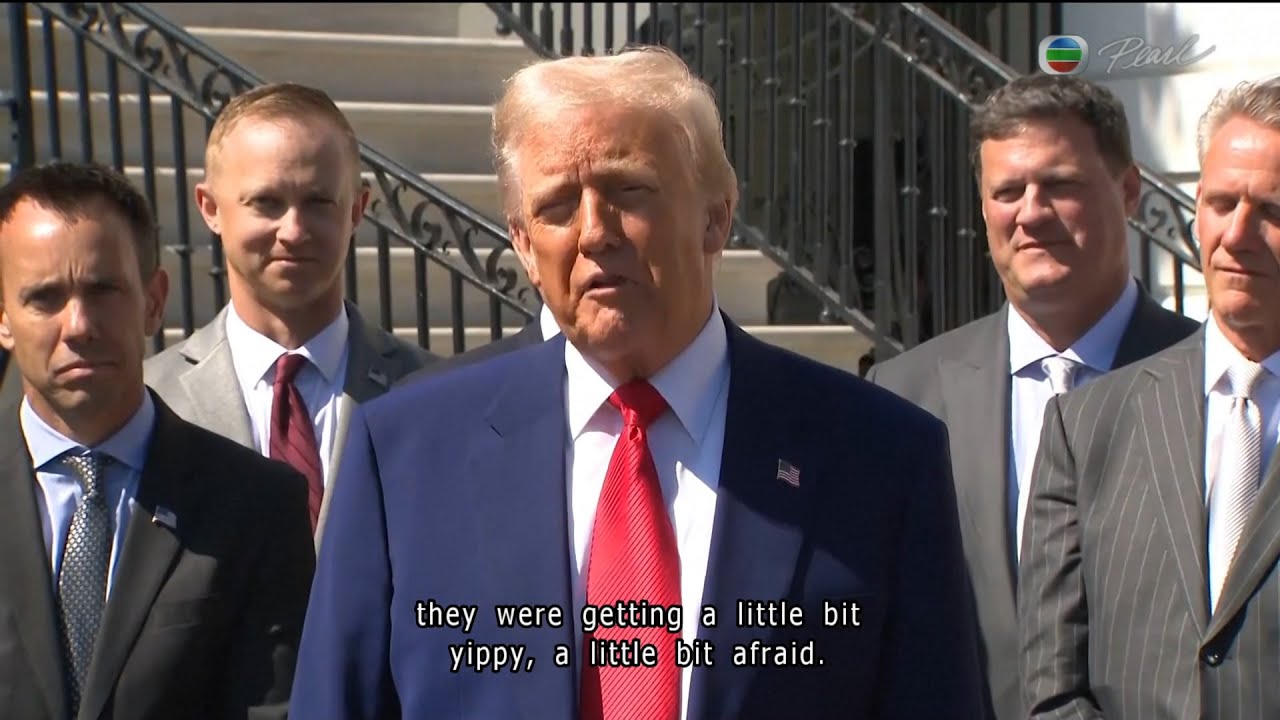
TVB News at 7:30|10 APR 2025|HONG KONG English Latest NEWS
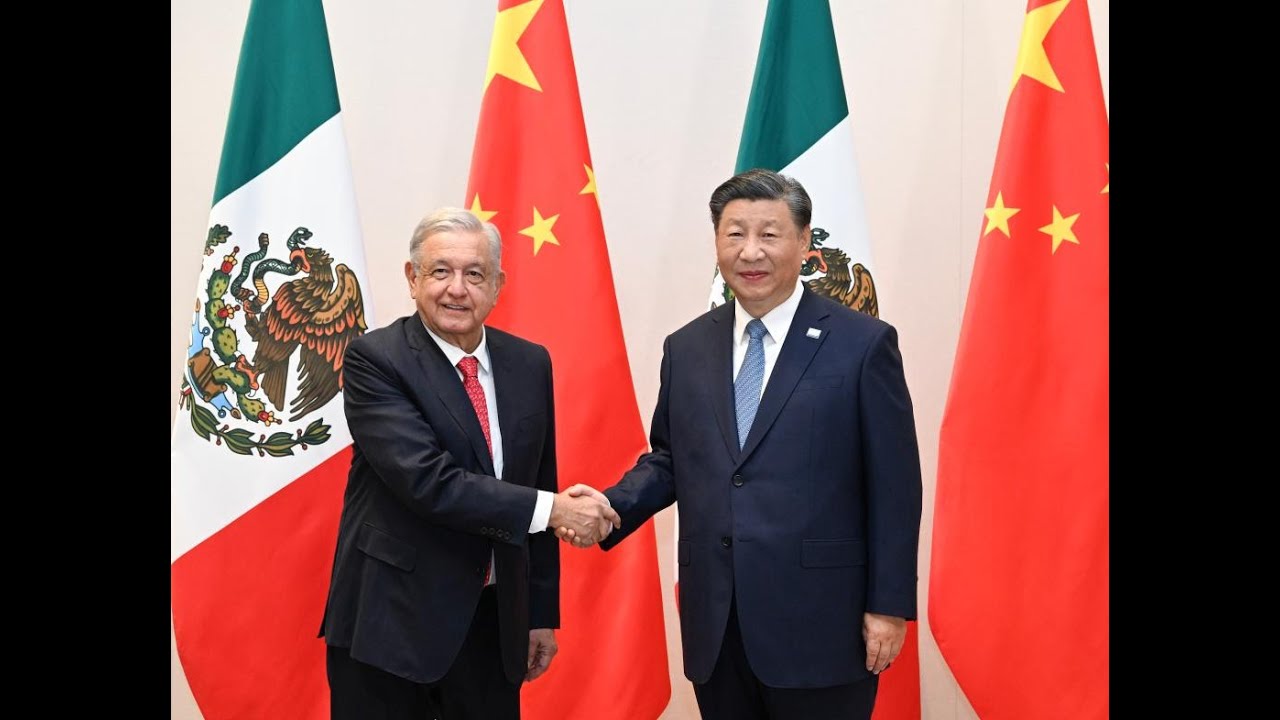
China Just Hit America Where It Hurts Most—Cuts Off the Lifeline For U.S. Industries
5.0 / 5 (0 votes)

