Menghindari dosa besar, akidah akhlak kelas XI #MAALASYHARSUNGONLEGOWOBUNGAHGRESIK
Summary
TLDRThe lesson discusses major sins in Islam that must be strictly avoided, focusing on ten key behaviors including killing, homosexuality (liwat), gambling, drinking alcohol, stealing, disobedience to parents, neglecting prayers, exploiting orphans' property, and corruption. The teacher explains the severe consequences of these actions both in this life and the hereafter, emphasizing divine punishment, social disruption, and personal guilt. Special attention is given to sexual deviance, including LGBT and transgender behaviors, highlighting their spiritual, social, and health risks. Students are encouraged to understand these teachings, avoid harmful behaviors, and seek knowledge from religious texts to live righteous and responsible lives.
Takeaways
- 😀 The lesson begins with greetings, gratitude for health, and the recitation of Surah Al-Fatihah to seek Allah's mercy and guidance.
- 😀 The main topic is major sins (kabair), focusing on 10 specific sins due to time constraints.
- 😀 Killing (qatl) is strictly prohibited in Islam; intentionally taking a life leads to eternal punishment in Hell and Allah's wrath.
- 😀 Both parties intending to kill, even in mutual fights, are accountable for the sin of murder in Islam.
- 😀 Liwat, or homosexual acts between men, is considered a major sin and condemned for its moral and societal consequences.
- 😀 LGBT behaviors (lesbian, gay, bisexual, transgender) are strictly prohibited in Islam, with serious spiritual, psychological, and social impacts.
- 😀 Lesbianism refers to women attracted to women, while gay refers to men attracted to men; bisexual individuals are attracted to both sexes.
- 😀 Transgender actions that change one's gender without medical necessity are prohibited, except in cases of dual gender recognized by scholars.
- 😀 Major sins not only have spiritual consequences but also affect health, family harmony, and societal stability, including risks of disease and psychological harm.
- 😀 Students are encouraged to avoid major sins proactively, study the topic further, and understand the long-term consequences of sinful behavior in this world and the hereafter.
Q & A
What is the main topic of the lesson in the video transcript?
-The lesson focuses on 'major sins' in Islam, discussing behaviors that must be avoided and their consequences.
How many major sins are discussed in this class session?
-The class discusses 10 major sins, though only a few are covered in detail due to time constraints.
What is the Islamic perspective on intentional killing?
-Intentional killing is strictly prohibited. According to Surah An-Nisa, verse 93, anyone who kills a believer intentionally will face hellfire and Allah's anger.
What are the consequences of murder mentioned in the transcript?
-Consequences include eternal punishment in hell, Allah's curse and anger, lifelong psychological unrest, potential revenge conflicts, and legal imprisonment.
What does the term 'Liwat' mean in the context of this lesson?
-Liwat refers to homosexual intercourse between men, originating from the people of Prophet Luth in Islamic teachings. It is considered a major sin.
How is LGBT behavior defined and categorized in the transcript?
-LGBT behavior includes lesbianism, homosexuality, bisexuality, and transgender identity. These are viewed as deviant sexual behaviors that violate Islamic law.
What are the negative impacts of LGBT behavior according to the transcript?
-Negative impacts include physical health risks such as HIV/AIDS, psychological issues, social disruption, loss of normal orientation, and potential violence toward partners.
What is the Islamic ruling on transgender individuals undergoing gender-change surgery?
-Gender-change surgery is prohibited unless the individual is born with two genders (intersex) and surgery is needed to clarify their identity. Otherwise, changing the sex assigned by Allah is considered a major sin.
Why is homosexuality considered dangerous for human survival according to the lesson?
-Homosexual relationships cannot produce offspring, which threatens the continuity and survival of the human species.
How should students deal with questions or unclear points from the lesson?
-Students are encouraged to contact the teacher via WhatsApp for clarification and to study the textbook for more detailed information.
What is the opening and closing practice for the learning session?
-The session opens with greetings and the recitation of Al-Fatihah for Allah’s mercy. It closes with Alhamdulillah and the farewell 'Wassalamu’alaikum warahmatullahi wabarakatuh.'
Outlines

Esta sección está disponible solo para usuarios con suscripción. Por favor, mejora tu plan para acceder a esta parte.
Mejorar ahoraMindmap

Esta sección está disponible solo para usuarios con suscripción. Por favor, mejora tu plan para acceder a esta parte.
Mejorar ahoraKeywords

Esta sección está disponible solo para usuarios con suscripción. Por favor, mejora tu plan para acceder a esta parte.
Mejorar ahoraHighlights

Esta sección está disponible solo para usuarios con suscripción. Por favor, mejora tu plan para acceder a esta parte.
Mejorar ahoraTranscripts

Esta sección está disponible solo para usuarios con suscripción. Por favor, mejora tu plan para acceder a esta parte.
Mejorar ahoraVer Más Videos Relacionados

Untukmu Para Penjudi | Ustadz Abu Marwan Hafizhohullah
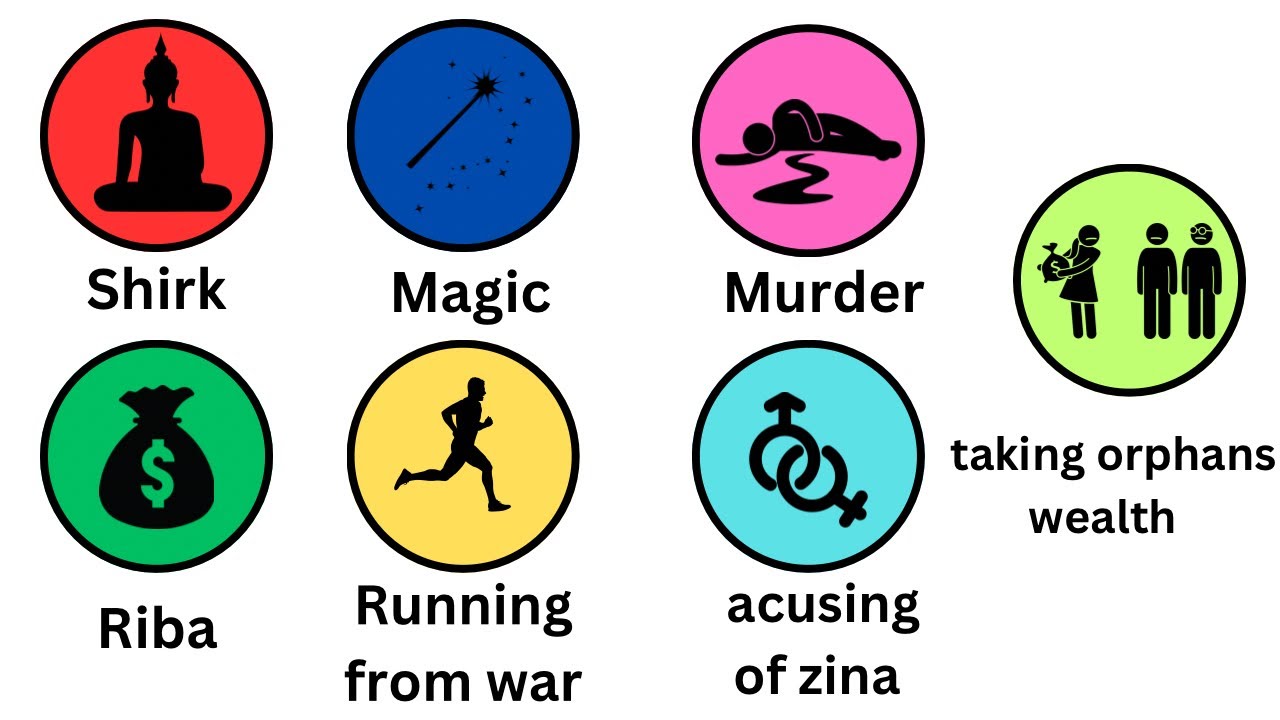
The 7 major sins in islam explained in 6 minutes

Khutbah Jumat Berbakti kepada Orangtua Tanpa Henti

Are You A Good Person? - English (Subtitled)
DURHAKA HALUS KEPADA ORANG TUA | KULTUM RAMADHAN BUYA YAHYA EPS.8 | AL-BAHJAH TV

Ramadhan Kalcer #6 Dosa yang terampuni dibulan Ramadhan (Almirah Faustina Tsaqif 7 Ankara)
5.0 / 5 (0 votes)

