Formulating Evaluative Statements | Reading and Writing
Summary
TLDRIn this lesson, Miss Honey guides students on how to formulate effective evaluative statements when analyzing texts. She explains the importance of providing objective, unbiased feedback, starting with positives, addressing weaknesses, and suggesting improvements. The video also covers assertions, types of claims (fact, value, policy), and counterclaims, highlighting how to support arguments with reasons and evidence. Using relatable examples like choosing rewards or evaluating a poem, the lesson encourages critical thinking, careful judgment, and evidence-based evaluation. Viewers learn to assess written work thoughtfully, balance opinions with facts, and engage multiple perspectives to craft precise and constructive evaluations.
Takeaways
- 😀 Evaluative statements are objective judgments based on criteria, highlighting strengths and weaknesses of a text.
- 😀 When formulating evaluative statements, start with positive feedback before mentioning any weaknesses.
- 😀 Ensure that evaluative statements are factual, substantial, and unbiased to avoid influencing others with biased opinions.
- 😀 It's important to suggest solutions or improvements alongside criticisms in evaluative feedback.
- 😀 The feedback should be concise and precise to avoid over-complicating the evaluation or making it seem overly negative.
- 😀 An assertion is a statement used to express a belief or idea that can be judged as true or false.
- 😀 There are four types of assertions: facts, conventions, opinions, and preferences.
- 😀 A claim is a statement that can be factual or judgmental, and can be debated or supported with evidence.
- 😀 Claims of fact are statements about something that can be verified through direct evidence or research.
- 😀 Claims of value express judgments about whether something is good or bad, often comparing two things.
- 😀 Claims of policy suggest actions that should or should not be done, usually involving the word 'should.'
Q & A
What is an evaluative statement according to Hernandez (2017)?
-An evaluative statement is an objective and tactful way of reacting to a text, presenting a judgment based on a set of criteria. It explains the strengths and weaknesses of a work using evidence.
What are the key pointers for formulating evaluative statements?
-Key pointers include: begin with positives before mentioning negatives, ensure feedback is factual and unbiased, provide suggestions for improvement with justification, and keep feedback concise and precise.
What are the four types of assertions?
-The four types are: Fact (objectively verifiable), Convention (socially accepted practices), Opinion (based on facts but difficult to verify), and Preference (personal choice that cannot be objectively proven).
How is a claim different from an assertion?
-A claim is a statement about something that can be factual or judgmental and is debatable, whereas an assertion expresses a strong belief or idea to convince readers of a particular interpretation.
What are the three types of claims?
-The three types are: Claim of Fact (statements about reality), Claim of Value (judgment about goodness or desirability), and Claim of Policy (statements about what should or should not be done).
What is a counterclaim and why is it important?
-A counterclaim is a statement that contradicts a claim and is supported by reasons and evidence. It is important because it provides a contrasting perspective, ensuring a balanced and well-reasoned argument.
What is the relationship between reason and evidence in argumentation?
-Reason explains why a claim is valid, providing justification, while evidence proves the truth of the claim and strengthens the overall argument.
How should evaluative statements address weaknesses in a work?
-Weaknesses should be pointed out tactfully without insulting the author, followed by constructive suggestions for improvement, supported by justification on how the suggestions can enhance the work.
What strategies help in identifying counterclaims in a text?
-Strategies include: understanding the topic thoroughly, examining multiple perspectives, avoiding bias, and clarifying your personal position based on the text rather than pre-existing opinions.
Can you provide an example of a claim and counterclaim from the transcript?
-Example: Claim – Martha says she needs a new smartphone. Counterclaim – Her father responds that she doesn’t need a new phone because her existing phone is still working.
What is the importance of starting evaluative statements with positive feedback?
-Starting with positive feedback helps to acknowledge the strengths of the work, builds a constructive tone, and makes the recipient more receptive to later suggestions for improvement.
How can identifying terms like 'best', 'good', 'should' help in analyzing claims?
-These terms are clue words that indicate value or policy claims. 'Best' or 'good' signal judgments about quality (claim of value), while 'should' suggests actions that are recommended or required (claim of policy).
Outlines

Dieser Bereich ist nur für Premium-Benutzer verfügbar. Bitte führen Sie ein Upgrade durch, um auf diesen Abschnitt zuzugreifen.
Upgrade durchführenMindmap

Dieser Bereich ist nur für Premium-Benutzer verfügbar. Bitte führen Sie ein Upgrade durch, um auf diesen Abschnitt zuzugreifen.
Upgrade durchführenKeywords

Dieser Bereich ist nur für Premium-Benutzer verfügbar. Bitte führen Sie ein Upgrade durch, um auf diesen Abschnitt zuzugreifen.
Upgrade durchführenHighlights

Dieser Bereich ist nur für Premium-Benutzer verfügbar. Bitte führen Sie ein Upgrade durch, um auf diesen Abschnitt zuzugreifen.
Upgrade durchführenTranscripts

Dieser Bereich ist nur für Premium-Benutzer verfügbar. Bitte führen Sie ein Upgrade durch, um auf diesen Abschnitt zuzugreifen.
Upgrade durchführen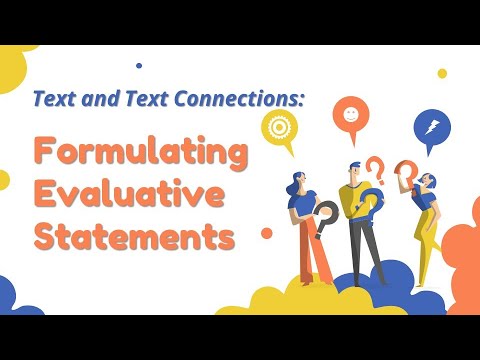


5.0 / 5 (0 votes)

