Perencanaan Tata Letak (2): Layout Proses dan Layout Gudang
Summary
TLDRThis video explains the design of process and warehouse layouts, building on a previous discussion of product layout. It introduces key concepts like process layout (flexible flow), closeness rating, and trip matrices to analyze interdepartmental interactions. Using a case study of PT Long Horn, the video demonstrates how to prioritize interactions, rearrange departments through trial and error, and evaluate layout efficiency with load-distance analysis. It also covers warehouse layout design, showing how to allocate storage areas based on ratios, priorities, and required space. The tutorial provides a practical, step-by-step guide for creating efficient, effective, and well-organized operational layouts.
Takeaways
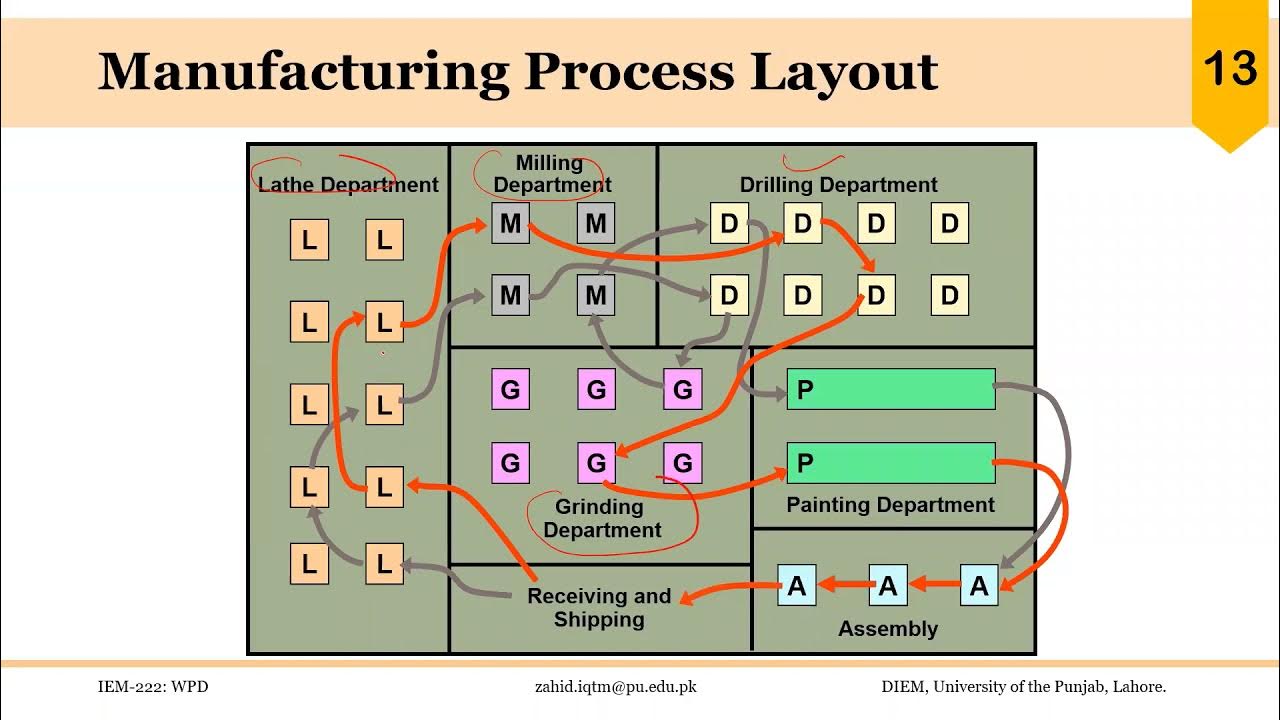
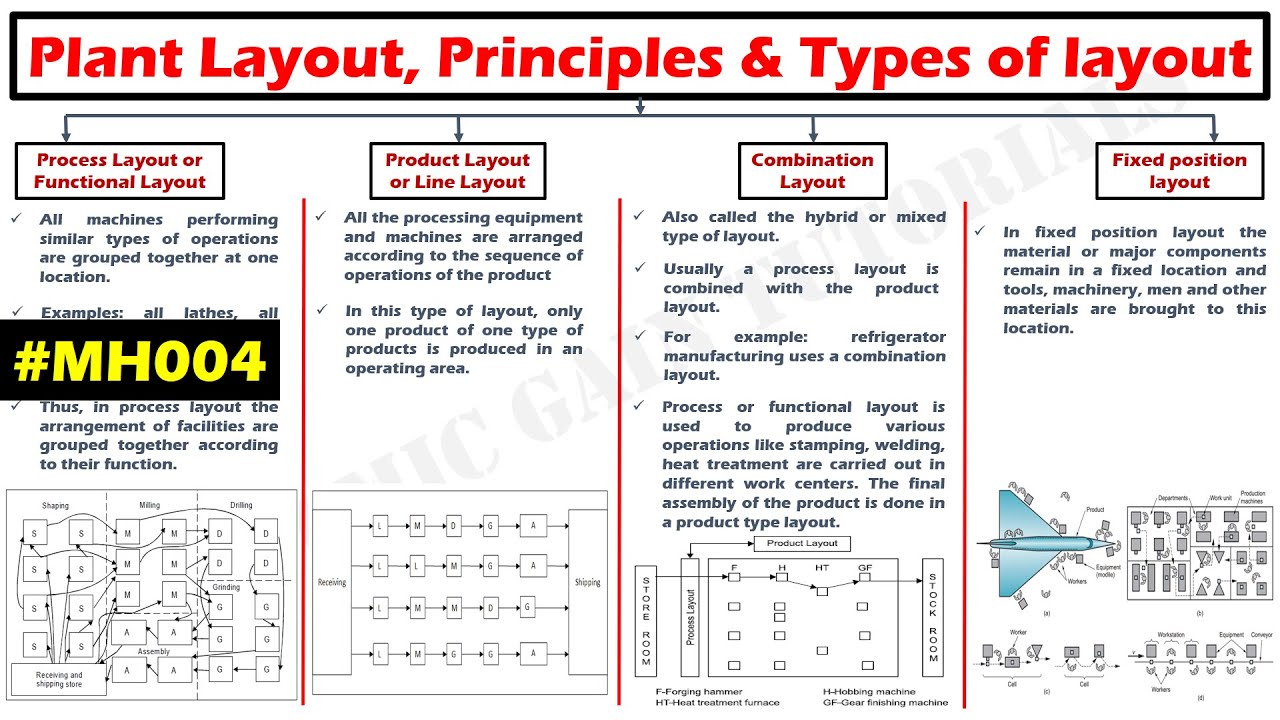
- 😀 **Understanding Layout Types**: The video explains two key types of layouts—**Product Layout (Line Flow Layout)** for linear processes and **Process Layout (Flexible Flow Layout)** for more varied processes.
- 😀 **Importance of Interaction Matrix**: The **Trip Matrix** is crucial in determining how frequently departments interact with each other, helping guide the placement of departments based on interaction frequency.
- 😀 **Optimal Layout Design**: A trial-and-error approach is used to redesign the layout, aiming to place departments with high interaction close to each other for maximum efficiency.
- 😀 **Space Allocation for Departments**: Each department requires a specific amount of space, which is measured in **square feet** or **square meters**, with different units used in various regions (e.g., feet for the U.S., meters for Asia).
- 😀 **Prioritizing Interaction Frequency**: The **interaction frequency** between departments determines how closely they should be placed, with high-frequency interactions (e.g., 90 times) being a key factor in layout decisions.
- 😀 **Proximity Rating**: The **closeness rating** helps prioritize which departments should be placed near each other based on the importance of their interactions.
- 😀 **Fixed Departments**: Some departments, like **Department 3 and 4**, need to remain in close proximity due to their **unique requirements** and cannot be altered in the layout.
- 😀 **Load and Distance Analysis**: After the new layout is designed, a **Load and Distance Analysis** is used to assess its efficiency by calculating the total movement distance between departments, comparing it to the old layout.
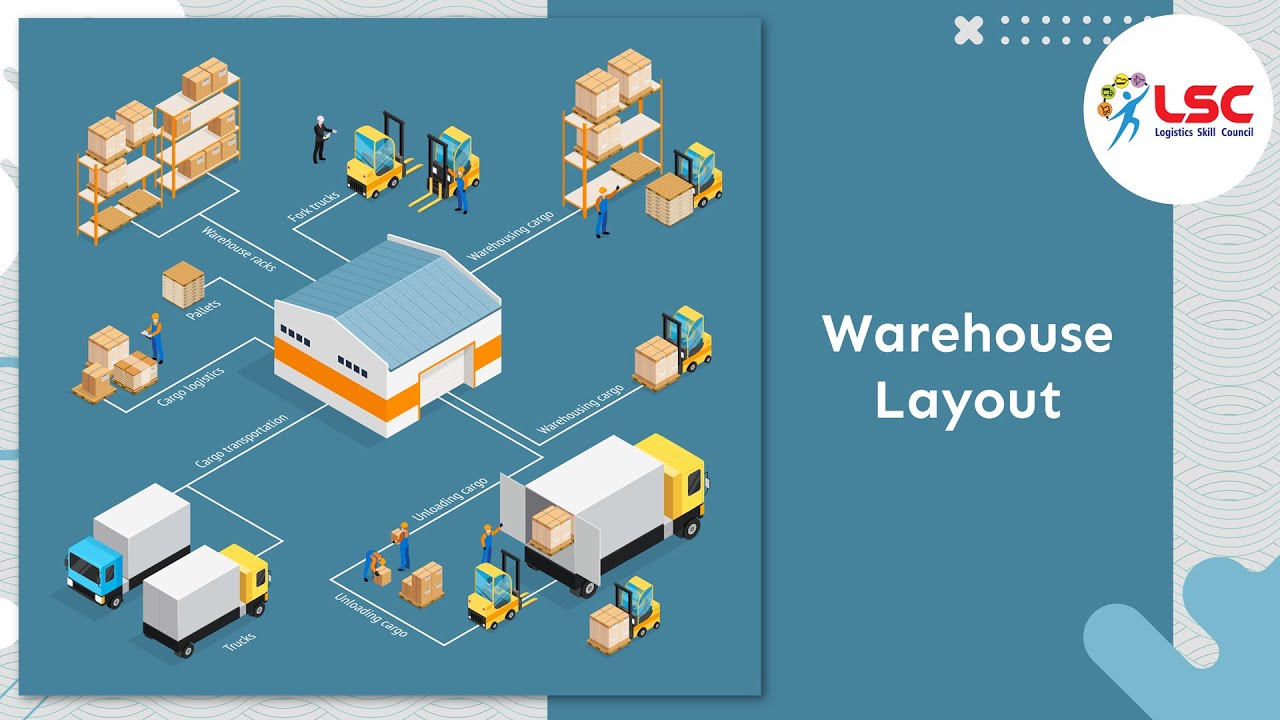
- 😀 **Warehouse Layout Design**: The warehouse layout also requires consideration of department space needs and interaction, with a similar process of prioritizing departments based on their required space and interaction frequency.
- 😀 **Use of Quantitative and Qualitative Data**: Both **quantitative data** (e.g., interaction frequencies, space requirements) and **qualitative data** (e.g., proximity ratings) are essential in making layout decisions to improve efficiency.
Q & A
What are the two main types of layouts discussed in the video?
-The two main types of layouts discussed are **Product Layout (Line Flow)** and **Process Layout (Flexible Flow)**.
How does a **Product Layout** (Line Flow) differ from a **Process Layout**?
-A **Product Layout** is linear and organized sequentially according to the production steps, whereas a **Process Layout** is more flexible, organizing departments based on the similarity of operations.
What is the purpose of the **Interaction Matrix** in designing a layout?
-The **Interaction Matrix** helps to identify the frequency and intensity of interactions between departments, guiding the placement of departments based on their need for frequent interactions.
How are the **Proximity Ratings** used in the layout design?
-**Proximity Ratings** are used to determine how crucial it is for departments to be close to each other. Ratings range from **A** (absolutely necessary) to **X** (undesirable), based on operational needs.
What does **Load and Distance Analysis** measure in the layout design process?
-**Load and Distance Analysis** evaluates the effectiveness of a layout by calculating the distance between departments and the frequency of interactions. The goal is to minimize travel time and optimize workflow.
Why is **Trial and Error** a part of the layout redesign process?
-**Trial and Error** is used to experiment with different configurations based on the interaction matrix and proximity ratings. It helps find the most efficient arrangement of departments to improve operational flow.
What was the initial problem with the existing layout in the video?
-The initial layout was inefficient because departments with high interaction frequencies were placed too far apart, causing delays and inefficiencies in the workflow.
How did the speaker prioritize department placement in the new layout?
-Departments were prioritized based on the intensity of their interactions. The highest priority departments, with the most frequent interactions, were placed closest to each other to minimize travel time.
How does the **Interaction Matrix** inform the placement of departments in the new layout?
-The **Interaction Matrix** provides numerical values that represent the frequency of interactions between departments. Departments with higher interaction frequencies are placed closer together in the new layout.
What is the final outcome of the layout redesign in terms of efficiency?
-The final layout was much more efficient, as the **Load and Distance Analysis** showed a significant reduction in travel distance from 785 (in the old layout) to 400 (in the new layout), improving overall workflow efficiency.
Outlines

Dieser Bereich ist nur für Premium-Benutzer verfügbar. Bitte führen Sie ein Upgrade durch, um auf diesen Abschnitt zuzugreifen.
Upgrade durchführenMindmap

Dieser Bereich ist nur für Premium-Benutzer verfügbar. Bitte führen Sie ein Upgrade durch, um auf diesen Abschnitt zuzugreifen.
Upgrade durchführenKeywords

Dieser Bereich ist nur für Premium-Benutzer verfügbar. Bitte führen Sie ein Upgrade durch, um auf diesen Abschnitt zuzugreifen.
Upgrade durchführenHighlights

Dieser Bereich ist nur für Premium-Benutzer verfügbar. Bitte führen Sie ein Upgrade durch, um auf diesen Abschnitt zuzugreifen.
Upgrade durchführenTranscripts

Dieser Bereich ist nur für Premium-Benutzer verfügbar. Bitte führen Sie ein Upgrade durch, um auf diesen Abschnitt zuzugreifen.
Upgrade durchführenWeitere ähnliche Videos ansehen



5.0 / 5 (0 votes)

