Should You Own a Credit Card? And How Many Are Too Many?
Summary
TLDRThis video script delves into the complexities of credit card usage in India, balancing both the advantages and risks. It explains how credit cards can be a smart tool for emergencies, building credit, and enjoying rewards if used wisely. However, it also highlights the dangers of high-interest rates, hidden fees, and the minimum payment trap. The script offers practical tips for using credit cards responsibly, including setting auto-pay, tracking spending, and avoiding impulsive purchases. Ultimately, it emphasizes that credit cards are neither inherently good nor bad, but depend on disciplined usage.
Takeaways
- 😀 Credit cards can be both beneficial and risky, depending on how they are used. They can be a smart financial tool or a costly monthly regret.
- 😀 The first major advantage of credit cards is using them as an emergency fund proxy, allowing for immediate payments in urgent situations.
- 😀 Credit cards offer a grace period, allowing you to keep funds in savings or liquid assets, earning interest while postponing payments.
- 😀 Regular and disciplined credit card usage can help improve your credit score over time, provided credit utilization stays below 30-40%.
- 😀 Credit cards can offer free loans for up to 50 days if you pay your bill in full on time, making them a zero-cost borrowing option.
- 😀 Rewards and cashback are significant benefits of credit cards but should not be the primary reason for using them. They should be secondary to responsible spending.
- 😀 The biggest disadvantage of credit cards is the extremely high interest rates, which can go up to 35-42% annually if the bill is not paid in full.
- 😀 Minimum payment traps can lead to prolonged debt cycles with high interest rates, which may result in financial struggles for years.
- 😀 Ideally, one or two credit cards are enough. Having multiple cards increases your total credit limit and can improve your credit score, but managing too many can lead to confusion and missed payments.
- 😀 Hidden fees like annual fees, foreign transaction charges, cash withdrawal fees, and card replacement fees can add up quickly if not carefully monitored.
Q & A
What are the two primary emotional reactions people in India have towards credit cards?
-People either love credit cards for their convenience and rewards, or fear them due to the possibility of falling into debt. Both reactions are understandable depending on how they are used.
Is a credit card necessary, or should it be avoided altogether?
-A credit card can be useful if managed responsibly, much like driving a car. It's not necessary to avoid them entirely, but it's crucial to understand how to use them wisely to avoid falling into debt.
What is the advantage of using a credit card as an emergency fund substitute?
-A credit card can be used for immediate emergencies, such as hospital bills, when liquidating savings or investments might take time. Once your emergency fund is liquidated, you can pay off the credit card bill.
How can a credit card help with managing cash flow during the month?
-A credit card can help by offering a grace period, meaning you don’t have to pay your full bill immediately, allowing your savings to continue earning interest until the payment due date.
What is the importance of credit utilization for maintaining a good credit score?
-Credit utilization, or how much of your available credit you use, is key to maintaining a good credit score. It's recommended to keep usage under 30-40% of your credit limit to avoid negatively affecting your score.
Can using a credit card help improve your credit score?
-Yes, responsible use of a credit card, including regular payments and keeping balances low, can help improve your credit score by showing lenders that you're a reliable borrower.
What are some potential risks of credit cards?
-The major risks include high-interest rates (35-42% annually), the trap of only making minimum payments, and hidden charges like annual fees, foreign transaction fees, and cash withdrawal fees.
How can someone avoid getting trapped in the minimum payment cycle?
-To avoid the minimum payment trap, always aim to pay the full balance due each month. Paying only the minimum allows interest to accumulate, trapping you in a cycle of debt.
How can you make the most of credit card rewards and cashback programs?
-To make the most of rewards and cashback, use your credit card for regular expenses and take advantage of offers that align with your spending habits. However, don't overspend just to earn rewards.
How many credit cards should a person ideally own?
-Ideally, owning two credit cards from different issuers (Visa, MasterCard, or RuPay) makes sense. This provides a backup in case one card is declined and also helps improve your credit utilization ratio.
Outlines

Dieser Bereich ist nur für Premium-Benutzer verfügbar. Bitte führen Sie ein Upgrade durch, um auf diesen Abschnitt zuzugreifen.
Upgrade durchführenMindmap

Dieser Bereich ist nur für Premium-Benutzer verfügbar. Bitte führen Sie ein Upgrade durch, um auf diesen Abschnitt zuzugreifen.
Upgrade durchführenKeywords

Dieser Bereich ist nur für Premium-Benutzer verfügbar. Bitte führen Sie ein Upgrade durch, um auf diesen Abschnitt zuzugreifen.
Upgrade durchführenHighlights

Dieser Bereich ist nur für Premium-Benutzer verfügbar. Bitte führen Sie ein Upgrade durch, um auf diesen Abschnitt zuzugreifen.
Upgrade durchführenTranscripts

Dieser Bereich ist nur für Premium-Benutzer verfügbar. Bitte führen Sie ein Upgrade durch, um auf diesen Abschnitt zuzugreifen.
Upgrade durchführenWeitere ähnliche Videos ansehen
How to Use Credit Cards Wisely | The 6 Golden Rules
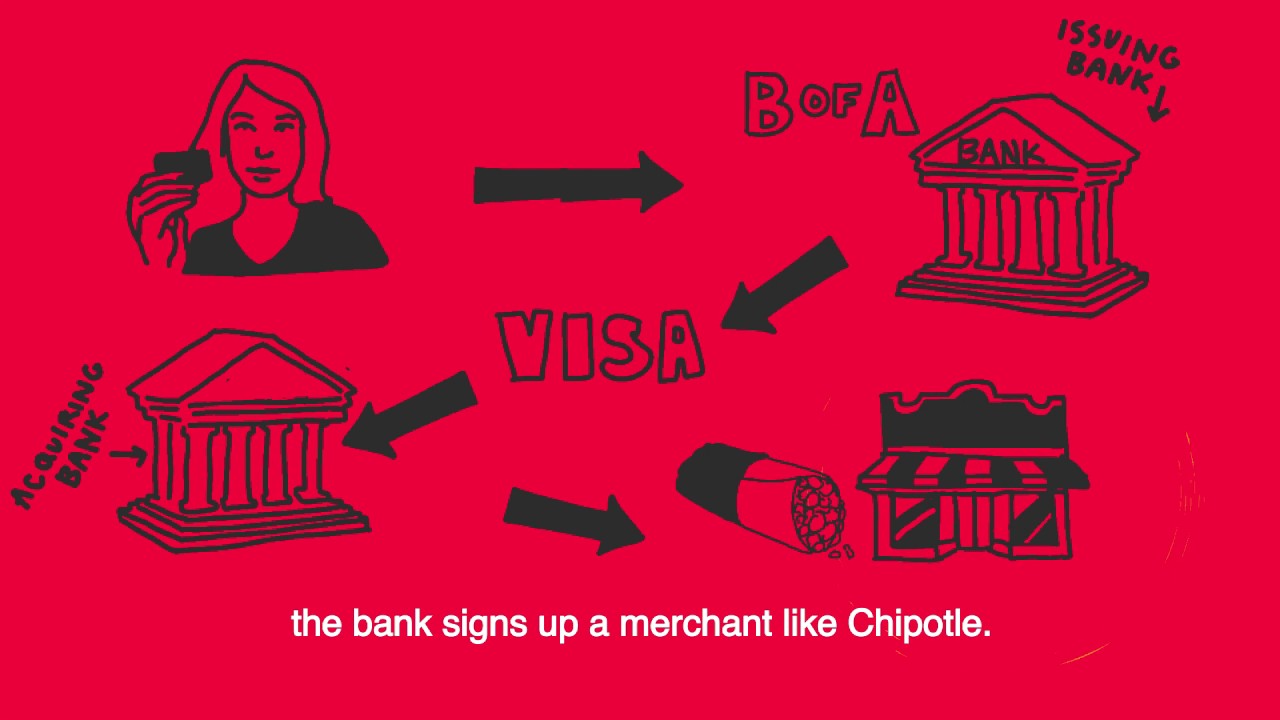
A Brief History of Credit Cards (or What Happens When You Swipe)
BEST CREDIT CARDS FROM 10 BANKS FOR UTILITY, RENT, EDUCATION, FUEL, GOLD AND GOVERNMENT #ccgeeks

You May Be Getting the 30% Credit Utilization Rule Wrong - How it Works & How to Improve It

Money and Credit | 10 Minutes Rapid Revision | Class 10 SST

Simple Steps to Financial Freedom
5.0 / 5 (0 votes)

