Penanganan Kegawatdaruratan Pada PEB/ Eklamsi dengan Pemberian MgSO4
Summary
TLDRThe video showcases a comprehensive demonstration of maternal emergency management, specifically for patients diagnosed with preeclampsia or eclampsia. The team, including students from Stikes Mitra Husada Medan, guides viewers through steps such as taking vital signs, washing hands, monitoring blood pressure, and administering medication like MgSO4. Additionally, the video emphasizes patient positioning, oxygen support, and continuous observation of critical factors like reflexes, urine output, and respiratory rate. The process concludes with patient referral and debriefing, ensuring thorough care for high-risk pregnancies.
Takeaways
- 😀 Introduction from the students of Stikes Mitra Husada Medan, wishing a happy 72nd anniversary to the Indonesian Midwives Association.
- 😀 The script discusses handling maternal emergencies, specifically focusing on the management of preeclampsia or eclampsia.
- 😀 The patient shows severe headache, blurry vision, and weakness in the extremities, common signs of preeclampsia.
- 😀 Proper handwashing before conducting any examination is emphasized for hygiene and safety.
- 😀 Blood pressure is measured, and a high reading (150/90) is noted, indicating the need for further examination.
- 😀 Urine protein testing is planned as part of the diagnostic process for preeclampsia.
- 😀 Positioning the patient is crucial to prevent aspiration; the patient is placed in a lateral position with the head tilted slightly.
- 😀 Oxygen is administered at 5-6 liters per minute to stabilize the patient’s condition.
- 😀 Magnesium sulfate (MgSO4) is administered as a treatment for eclampsia, with careful monitoring of the patient’s reflexes, urine output, and respiratory rate.
- 😀 After administering MgSO4, the team prepares to continue monitoring and providing further medication as necessary, such as additional MgSO4 doses.
- 😀 Calcium gluconate should be available as an antidote in case of magnesium sulfate toxicity.
- 😀 The script outlines the necessary steps for patient referral to a nearby hospital after stabilization and necessary interventions.
- 😀 Personal protective equipment (PPE) is removed after procedures, and proper handwashing is carried out to maintain cleanliness.
Q & A
What is the primary condition being managed in this script?
-The primary condition being managed is preeclampsia or eclampsia, which are pregnancy-related hypertensive disorders that can lead to serious complications for both the mother and the baby.
What is the first action the midwife takes before starting the examination?
-The first action is washing hands under running water with soap to ensure proper hygiene before proceeding with the examination.
Why is blood pressure measurement important in the management of preeclampsia?
-Blood pressure measurement is crucial because elevated blood pressure is a key symptom of preeclampsia and can help in diagnosing the severity of the condition. The script shows an elevated reading of 150/90, indicating high blood pressure.
What is the purpose of performing a urine protein test?
-The urine protein test is used to detect proteinuria, which is a common sign of kidney involvement in preeclampsia. Proteinuria helps confirm the diagnosis and assess the severity of the condition.
What is the initial dosage of MgSO4 (magnesium sulfate) and its purpose?
-The initial dose of MgSO4 is 10 cc of a 40% solution. Magnesium sulfate is given to prevent seizures, which are a significant risk for patients with eclampsia.
What are the key things to monitor while administering MgSO4?
-Key things to monitor include reflexes (should be positive), urine output (should be at least 30 ml per hour), and the respiratory rate (should be above 16 breaths per minute). These indicators help ensure the medication is being administered safely.
What is the next step after the initial MgSO4 dose?
-After the initial dose, the next step is to administer a maintenance dose of 6 grams of MgSO4 via a primed IV drip over the next 6 hours, ensuring continued seizure prevention.
What should be done if the patient shows signs of respiratory distress or decreased urine output during MgSO4 administration?
-If the patient's respiratory rate falls below 16 breaths per minute or urine output drops below 30 ml per hour, the magnesium sulfate infusion should be stopped immediately.
Why is calcium gluconate prepared alongside MgSO4?
-Calcium gluconate is prepared as an antidote for magnesium sulfate toxicity. In case of an overdose or adverse reaction, calcium gluconate can reverse the effects of MgSO4.
What is the final step after administering all necessary treatments?
-The final step involves removing personal protective equipment (PPE), washing hands again, and then communicating with the patient's family, ensuring that the patient is referred to a nearby hospital for further care if necessary.
Outlines

Dieser Bereich ist nur für Premium-Benutzer verfügbar. Bitte führen Sie ein Upgrade durch, um auf diesen Abschnitt zuzugreifen.
Upgrade durchführenMindmap

Dieser Bereich ist nur für Premium-Benutzer verfügbar. Bitte führen Sie ein Upgrade durch, um auf diesen Abschnitt zuzugreifen.
Upgrade durchführenKeywords

Dieser Bereich ist nur für Premium-Benutzer verfügbar. Bitte führen Sie ein Upgrade durch, um auf diesen Abschnitt zuzugreifen.
Upgrade durchführenHighlights

Dieser Bereich ist nur für Premium-Benutzer verfügbar. Bitte führen Sie ein Upgrade durch, um auf diesen Abschnitt zuzugreifen.
Upgrade durchführenTranscripts

Dieser Bereich ist nur für Premium-Benutzer verfügbar. Bitte führen Sie ein Upgrade durch, um auf diesen Abschnitt zuzugreifen.
Upgrade durchführenWeitere ähnliche Videos ansehen

General Trauma ,Management of Polytrauma Patients - Everything You Need To Know - Dr. Nabil Ebraheim
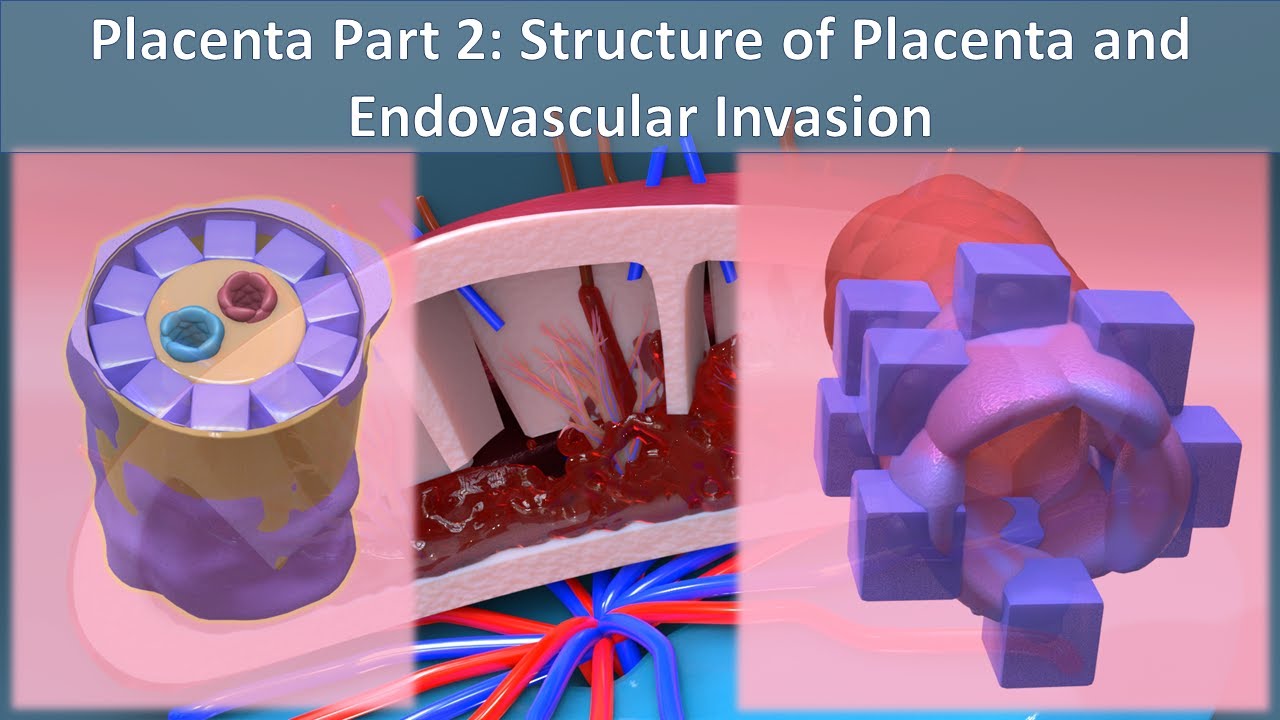
Placenta part 2 - Structure & Changes in Placental Membrane - Endovascular invasion - 3D tour

Preeklamsia Hipertensi Dalam Kehamilan - Patofisiologi, Diagnosis, Manajemen Persalinan dan Obat

# 116.1 Pré-eclâmpsia e eclâmpsia - Parte I

CHW EM - Module 5 CERC and Addl Training

HIPERTENSIÓN y PREECLAMPSIA en el Embarazo |
5.0 / 5 (0 votes)

