How Nearly Dying Helped Me Discover My Own Cure (and Many More) | David Fajgenbaum | TED
Summary
TLDRDavid Fajgenbaum shares his personal journey of battling Castleman disease, a rare illness that nearly took his life multiple times. After exhausting all conventional treatments, he pioneered the concept of repurposing existing drugs to save his life and others with rare diseases. His non-profit, Every Cure, is utilizing AI to unlock the potential of approved drugs for a wide range of diseases. Fajgenbaum highlights the life-saving impact of repurposed drugs and urges public involvement to unlock hidden cures that could transform the lives of millions.
Takeaways
- 😀 David Fajgenbaum was diagnosed with Castleman disease, a rare and fatal disease, which led to him almost dying five times in three years.
- 😀 Despite medical professionals giving up on him, David decided to turn hope into action by researching potential treatments for his disease.
- 😀 David’s breakthrough came when he repurposed a transplant drug, sirolimus, to treat his condition, which has kept him in remission for over 11 years.
- 😀 The concept of drug repurposing involves using existing FDA-approved drugs to treat diseases they were not originally designed for, potentially saving lives and reducing treatment costs.
- 😀 Repurposing has been successfully used in the past, such as Viagra for heart disease and thalidomide for leprosy and multiple myeloma.
- 😀 Many drugs are underutilized or not repurposed for diseases they could potentially treat, resulting in unnecessary suffering for patients with rare diseases.
- 😀 Every Cure, the organization David co-founded, uses artificial intelligence to match existing drugs with diseases, speeding up the process of finding new treatments.
- 😀 David’s nonprofit has already advanced 14 repurposed treatments, helping patients with various rare diseases and cancers.
- 😀 One success story involves Kylo, whose life was saved by repurposing a bone-marrow cancer drug, and Michael, who survived a rare cancer after repurposing a melanoma drug.
- 😀 Despite the potential of repurposed drugs, the pharmaceutical industry does not prioritize it due to profitability issues, especially for generic drugs used for rare diseases.
- 😀 Every Cure is working to systematically unlock the potential of existing drugs to treat more diseases by using artificial intelligence, with the aim of repurposing 15 to 25 treatments by 2030.
Q & A
What is Castleman disease, and how did it affect David Fajgenbaum?
-Castleman disease is a rare and serious condition where the immune system attacks and shuts down vital organs for an unknown cause. For David Fajgenbaum, it led to multiple organ failure, causing him to nearly die five times over the span of three years.
How did David survive despite doctors saying there was nothing more they could do?
-David survived because his doctors used a combination of seven chemotherapies that were not meant for his specific disease. This was a last-ditch effort, and it miraculously worked, allowing him to survive and return to medical school.
What is the concept of 'repurposing' drugs, and how did it help David?
-Repurposing drugs involves using existing FDA-approved medications for new purposes, often to treat diseases other than those they were originally developed for. David applied this concept by researching drugs for other conditions and discovered that a transplant drug, sirolimus, could help with his disease, leading to over 11 years of remission.
Why are repurposed drugs important for treating rare diseases?
-Repurposed drugs are important because they can provide effective treatments for rare diseases more quickly and at a lower cost compared to developing new drugs. Many FDA-approved drugs have the potential to treat multiple diseases, but their use is often overlooked.
What role does artificial intelligence (AI) play in Every Cure's mission?
-Artificial intelligence helps Every Cure analyze vast amounts of data on drugs and diseases to predict which drugs could be effective in treating diseases they weren't originally approved for. This AI-powered system accelerates the discovery of new treatments and enables faster, more efficient identification of drug-disease matches.
How does Every Cure's AI platform contribute to saving lives?
-Every Cure's AI platform identifies potential drug-disease matches that could save lives by uncovering repurposed treatments or highlighting existing treatments that haven't been utilized for certain diseases. For example, it helped a patient with Castleman disease survive by recommending a drug that saved his life.
What was the significance of the leucovorin discovery?
-Leucovorin, a cheap vitamin derivative, was found to have potential benefits for patients with a rare condition where their bodies can't absorb folate. The discovery led to life-changing results, with children like Mason and Ryan, who were nonverbal, starting to speak after using the drug.
How does Every Cure plan to continue its work in the future?
-Every Cure aims to repurpose 15 to 25 treatments by 2030, with the potential to repurpose dozens or even hundreds more as additional funding becomes available. Their goal is to systematically unlock the hidden cures sitting in pharmacies and make them accessible to patients in need.
Why is repurposing drugs for rare diseases not a priority for pharmaceutical companies?
-Repurposing drugs for rare diseases is often not profitable for pharmaceutical companies, especially since many drugs are already generic. Clinical trials for new uses are expensive, and there is little financial incentive for companies to pursue them, particularly for diseases with smaller patient populations.
What can ordinary people do to help Every Cure's mission?
-Ordinary people can help by sharing their experiences with repurposed or off-label drugs, donating to Every Cure, and helping to raise awareness about the potential of repurposed drugs to save lives. They can also amplify campaigns that highlight treatments that could benefit patients.
Outlines

Dieser Bereich ist nur für Premium-Benutzer verfügbar. Bitte führen Sie ein Upgrade durch, um auf diesen Abschnitt zuzugreifen.
Upgrade durchführenMindmap

Dieser Bereich ist nur für Premium-Benutzer verfügbar. Bitte führen Sie ein Upgrade durch, um auf diesen Abschnitt zuzugreifen.
Upgrade durchführenKeywords

Dieser Bereich ist nur für Premium-Benutzer verfügbar. Bitte führen Sie ein Upgrade durch, um auf diesen Abschnitt zuzugreifen.
Upgrade durchführenHighlights

Dieser Bereich ist nur für Premium-Benutzer verfügbar. Bitte führen Sie ein Upgrade durch, um auf diesen Abschnitt zuzugreifen.
Upgrade durchführenTranscripts

Dieser Bereich ist nur für Premium-Benutzer verfügbar. Bitte führen Sie ein Upgrade durch, um auf diesen Abschnitt zuzugreifen.
Upgrade durchführen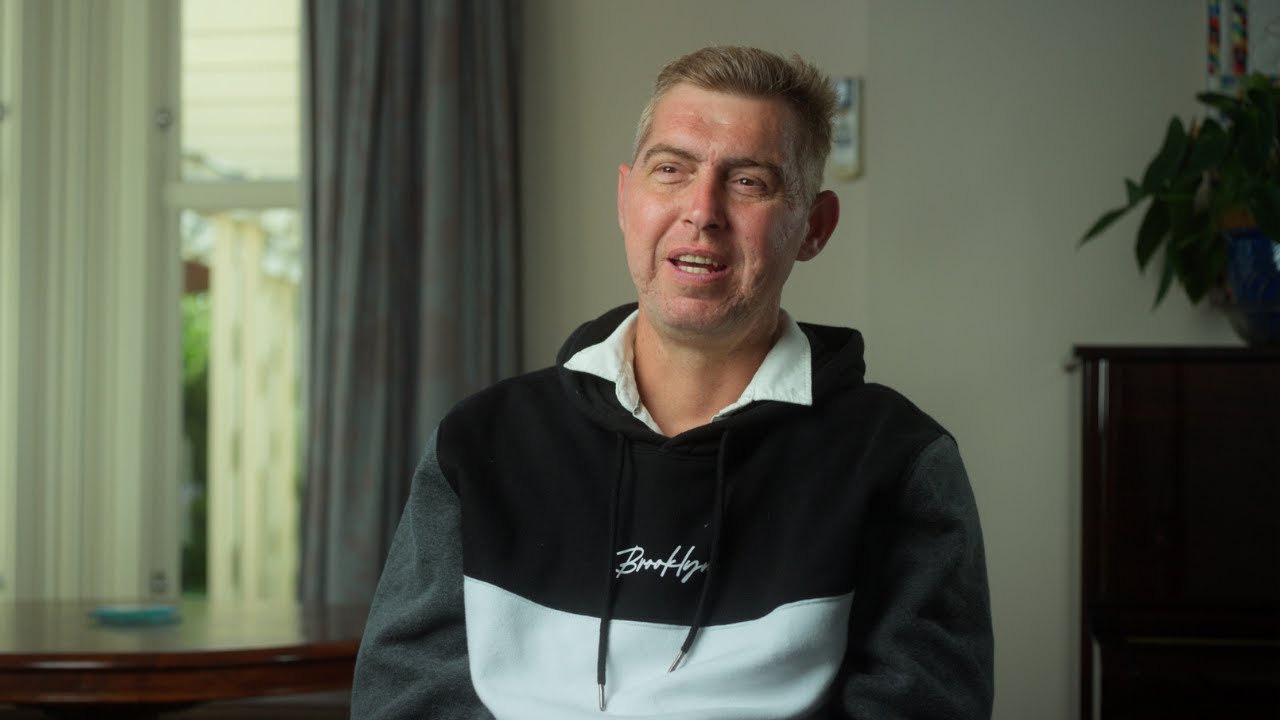



5.0 / 5 (0 votes)

