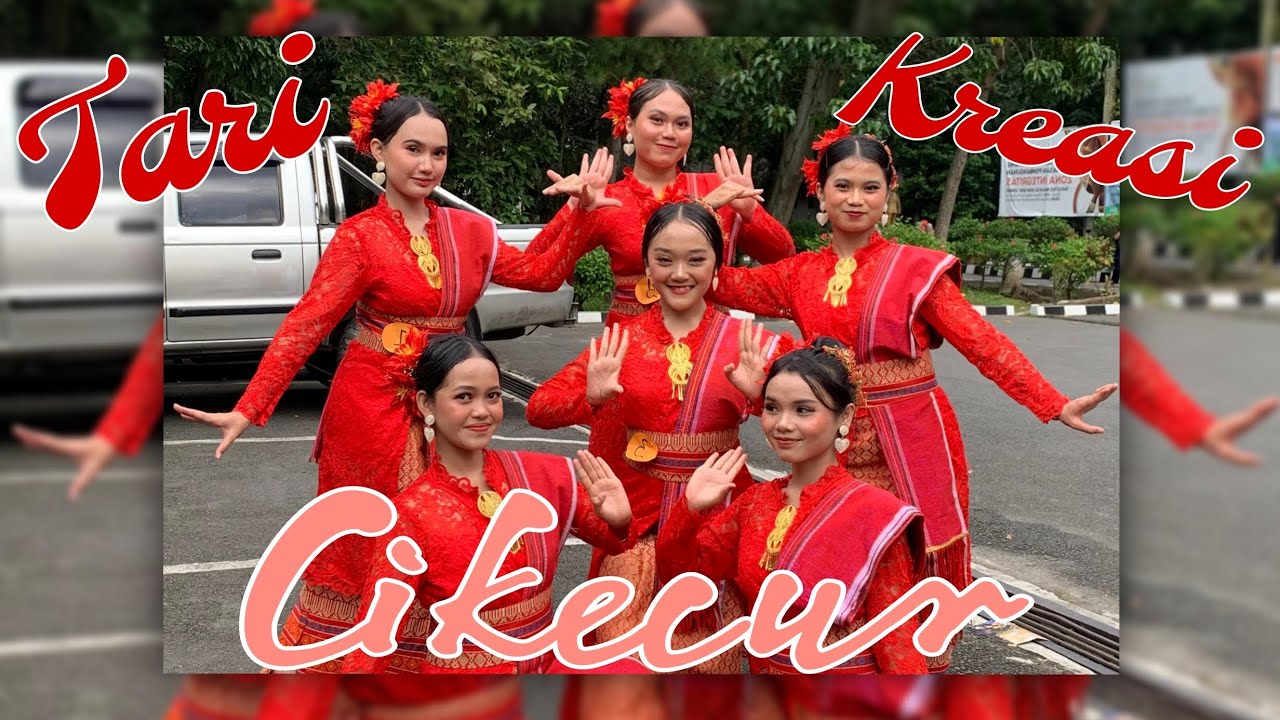
Senam Irama SRAI (Senam Ria Anak Indonesia+Lirik)
Summary
TLDRThe transcript features a dynamic blend of sounds, music cues, and fragmented phrases, which create a sense of rhythm and emotion. It includes various vocal expressions such as 'ah' and 'uh,' interspersed with musical elements and applause. The phrases shift between languages, including Korean and English, and contain surreal or playful phrases like 'tera term paper' and 'power.' The transcript captures an eclectic performance that seems to embrace a mix of music, sound effects, and energetic expressions, with sporadic applause adding to the lively atmosphere.
Takeaways
- 😀 The script includes fragmented words and phrases, with some music cues and applause noted throughout.
- 😀 There are several instances of the sound 'ah' and 'uh' repeated, possibly indicating vocal expressions or sounds made by the speaker or performer.
- 😀 Music plays a significant role in the transcript, with frequent notations of '[음악]' (music), indicating that the script involves an auditory performance or event.
- 😀 Applause is mentioned multiple times with '[박수]' (clap), suggesting live audience interaction or celebration throughout the performance.
- 😀 Some foreign language phrases are included, such as 'per te' (Italian for 'for you') and 'der wien' (possibly referring to Vienna in German).
- 😀 The mention of 'tera term paper' could be a potential error or a misheard fragment, possibly relating to a research paper or academic term, though unclear.
- 😀 Repetitive use of '222' and similar numeric sequences may indicate rhythmic or musical elements that are part of the performance, possibly a beat or pattern.
- 😀 The name 'Yeon Woo' appears, which could be the name of a performer or character involved in the script.
- 😀 The script includes sounds like 'ohoo' and 'wer,' which could be vocalizations or sounds meant to add to the performance's atmosphere.
- 😀 The repetition of '아 아 아' and similar sounds, often followed by music cues, suggests a focus on emotional expression or heightened vocal performance, likely in a theatrical or operatic setting.
Q & A
What language is primarily used in the transcript?
-The primary language in the transcript is Korean, but there are some English phrases and musical cues interspersed.
What role does music play in this transcript?
-Music cues are mentioned multiple times throughout the transcript, suggesting that the music plays a central role in the context, possibly in a performance or musical piece.
What does the repeated phrase '아 아 아' signify in the script?
-'아 아 아' is a Korean expression often used to convey emotion or intensity. It could be signaling either frustration, excitement, or dramatic moments in the context of a performance.
Why are applause sounds ('[박수]') repeated throughout the transcript?
-The repeated applause ('[박수]') suggests the presence of an audience or a performance setting where the audience is reacting positively to what is happening.
What does 'ter' refer to in the context of this transcript?
-'ter' seems to be an incomplete or phonetic representation of a word. It could be part of a phrase or lyrics that were either garbled or misheard in the transcript.
What is the significance of the repeated numbers like '222' and '5 2 2'?
-The numbers '222' and '5 2 2' could represent a rhythmic pattern, timing cues, or specific performance elements like musical notations or gestures that are integral to the performance.
Who or what is 'yeon woo' mentioned in the script?
-'Yeon Woo' could be a person's name, possibly a performer or someone related to the production. This could also be a reference to a specific part of the performance or a character within it.
What might 'opera' refer to in this context?
-The term 'opera' could refer to a genre or style of performance, suggesting that the script may involve elements of opera or classical music.
What could the phrase 'over there' indicate in the script?
-'Over there' likely indicates a specific direction or location on stage or within the performance setting, possibly guiding attention or describing an action or focus point.
Is the use of the word 'co' significant?
-The word 'co' might be an abbreviation or part of a word. It could also be part of a larger, missing or fragmented context that was not fully captured in the transcript.
Outlines

Dieser Bereich ist nur für Premium-Benutzer verfügbar. Bitte führen Sie ein Upgrade durch, um auf diesen Abschnitt zuzugreifen.
Upgrade durchführenMindmap

Dieser Bereich ist nur für Premium-Benutzer verfügbar. Bitte führen Sie ein Upgrade durch, um auf diesen Abschnitt zuzugreifen.
Upgrade durchführenKeywords

Dieser Bereich ist nur für Premium-Benutzer verfügbar. Bitte führen Sie ein Upgrade durch, um auf diesen Abschnitt zuzugreifen.
Upgrade durchführenHighlights

Dieser Bereich ist nur für Premium-Benutzer verfügbar. Bitte führen Sie ein Upgrade durch, um auf diesen Abschnitt zuzugreifen.
Upgrade durchführenTranscripts

Dieser Bereich ist nur für Premium-Benutzer verfügbar. Bitte führen Sie ein Upgrade durch, um auf diesen Abschnitt zuzugreifen.
Upgrade durchführenWeitere ähnliche Videos ansehen



5.0 / 5 (0 votes)

