Restaurants Can't Lower Prices Anymore...But They're Empty
Summary
TLDRThis video explores the decline of major restaurant chains, focusing on the role of monopolistic food suppliers like Cisco and private equity in pushing prices up and standardizing food. It explains how these companies control the supply chain, leading to bland, overpriced meals and a loss of quality in dining. The script critiques the lack of choice for both big chains and local restaurants, forcing them to buy from the same suppliers. Ultimately, it calls for a shift in consumer behavior to support quality over convenience and highlights the broader impact on the restaurant industry and future chefs.
Takeaways
- 😀 Restaurants across America are closing due to a combination of high prices, corporate monopolies, and cost-cutting strategies that prioritize logistics over quality.
- 😀 The rise of major food distributors like Cisco has led to a consolidation of suppliers, reducing competition and giving these companies the power to dictate prices to restaurants.
- 😀 In 2022, Cisco's earnings jumped significantly, despite an overall drop in dining out, because they focused on increasing gross profit per case, passing on inflation costs to restaurants.
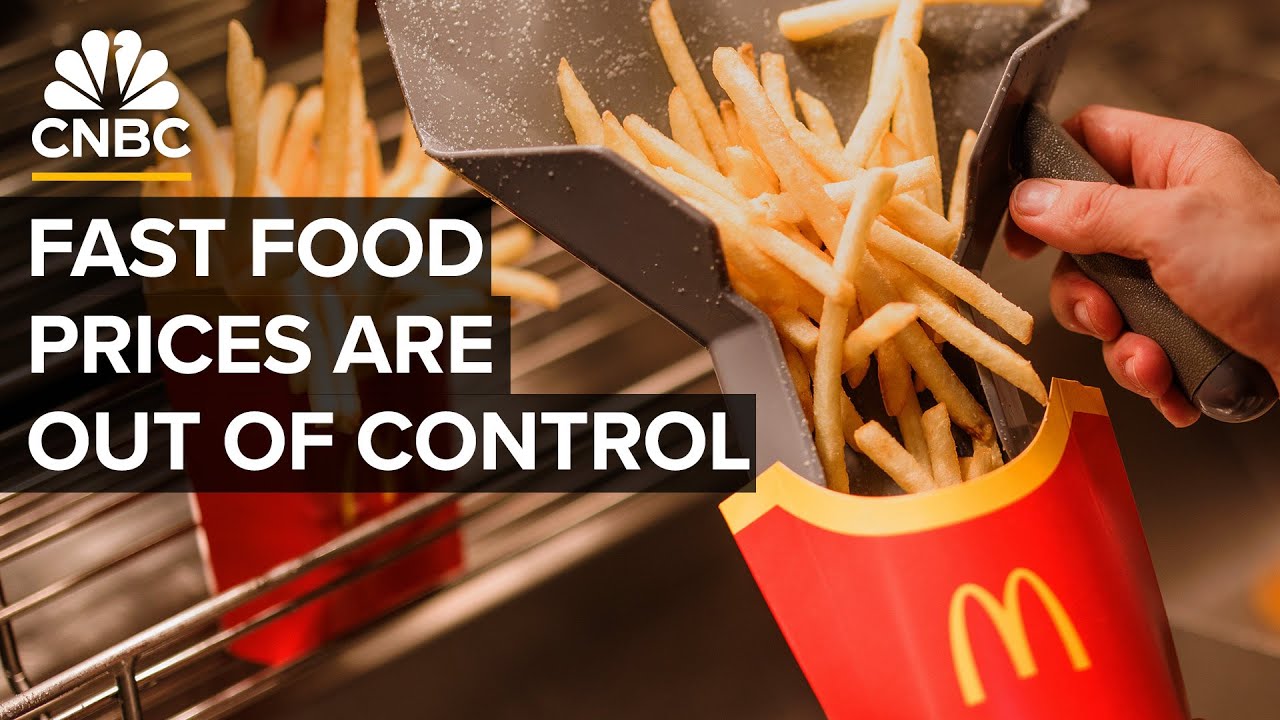
- 😀 Fast food chains now cost as much as fine dining restaurants, with many consumers noticing the prices are high despite a lack of quality or differentiation in food.
- 😀 Standardization in food supply chains, like cheese from companies such as Laprino Foods, leads to uniform but bland food experiences across major pizza chains.
- 😀 Private equity firms have contributed to the decline of restaurant chains by stripping assets, consolidating suppliers, and focusing on short-term profits, often at the expense of food quality.
- 😀 The push for standardized, pre-cooked, and pre-packaged ingredients has made food more logistically efficient but less flavorful and less fresh.
- 😀 Local restaurants are struggling to compete with large chains because they have no bargaining power with major suppliers like Cisco and US Foods, making it harder for them to stay open.
- 😀 The rise of generic, low-quality food in national chains has lowered consumer expectations, forcing local restaurants to raise prices while struggling to maintain high-quality offerings.
- 😀 The overall restaurant industry is becoming less diverse in terms of taste, with food across major chains starting to all taste the same due to cost-cutting and supply chain consolidation.
Q & A
What is the main reason major restaurant chains are shutting down in 2025?
-The main reason for the closures is a combination of factors, including monopolistic practices by large food distributors like Cisco, inflation, and the impact of private equity. The control over food supply, rising costs, and poor decision-making have led to the closure of many iconic chains.
How did Cisco transform the restaurant supply chain industry?
-In 1969, John Ba founded Cisco by merging nine regional food distributors, creating a massive food supply network. By 1981, Cisco became the largest distributor in America, and today, it, along with US Foods, controls the food supply to most restaurants across the country.
Why did Cisco's revenue increase in 2022 despite inflation and a decrease in dining out?
-Cisco's revenue increase was due to a strategy implemented in 2021, where they focused on gross profit per case rather than overall profit margin. This allowed Cisco to raise prices on food items like lettuce, passing on inflation costs to restaurants and driving up their revenue.
How did Cisco's pricing strategy affect restaurants?
-Cisco's pricing strategy pushed up the cost of food supplies for restaurants, leading to higher menu prices for consumers. While Cisco saw increased revenue, restaurants' profit margins were squeezed due to rising costs for food, delivery, and storage.
What role did private equity play in the decline of chains like Red Lobster and TGI Fridays?
-Private equity contributed to the decline by acquiring these chains, selling off valuable assets like real estate, and consolidating suppliers, which led to higher costs. In some cases, the focus on short-term profits over long-term sustainability caused financial struggles for these chains.
Why did Red Lobster's 'endless shrimp' deal fail to benefit them in the long run?
-The endless shrimp deal, introduced by Thai Union after acquiring a stake in Red Lobster, was meant to boost sales. However, the deal caused financial strain due to low profit margins, and the power of social media, particularly TikTok and YouTube, amplified the pressure on the chain.
What is the impact of food standardization on restaurant quality in the U.S.?
-Food standardization, driven by logistics companies like Cisco, has resulted in many restaurants serving similar-tasting meals regardless of location. The focus is now on cost reduction, consistency, and minimizing risk rather than offering unique, high-quality dishes.
How has Chipotle's food quality changed since the 2015 E. coli outbreak?
-After the 2015 E. coli outbreak, Chipotle shifted to a model where they pre-cook, pre-shred, and pre-chop ingredients at central locations, then ship them to individual restaurants. This approach prioritizes safety and logistics over freshness and flavor, making the food taste more standardized.
How do smaller, local restaurants struggle with the dominance of suppliers like Cisco?
-Local restaurants face high costs when buying from Cisco or US Foods because they have little bargaining power. Unlike larger chains, they cannot negotiate for better prices, which makes it harder for them to remain competitive, especially as prices continue to rise.
What can consumers do to support better-quality restaurants in 2025?
-Consumers can support local, high-quality restaurants by choosing to dine at places that focus on taste and quality rather than opting for low-cost, logistically optimized food from large chains. By making conscious choices, they can help create a market where restaurants compete on quality again.
Outlines

Dieser Bereich ist nur für Premium-Benutzer verfügbar. Bitte führen Sie ein Upgrade durch, um auf diesen Abschnitt zuzugreifen.
Upgrade durchführenMindmap

Dieser Bereich ist nur für Premium-Benutzer verfügbar. Bitte führen Sie ein Upgrade durch, um auf diesen Abschnitt zuzugreifen.
Upgrade durchführenKeywords

Dieser Bereich ist nur für Premium-Benutzer verfügbar. Bitte führen Sie ein Upgrade durch, um auf diesen Abschnitt zuzugreifen.
Upgrade durchführenHighlights

Dieser Bereich ist nur für Premium-Benutzer verfügbar. Bitte führen Sie ein Upgrade durch, um auf diesen Abschnitt zuzugreifen.
Upgrade durchführenTranscripts

Dieser Bereich ist nur für Premium-Benutzer verfügbar. Bitte führen Sie ein Upgrade durch, um auf diesen Abschnitt zuzugreifen.
Upgrade durchführenWeitere ähnliche Videos ansehen




5.0 / 5 (0 votes)

