Detik-detik Musnahnya Kehidupan di Hiroshima - Full Documentary
Summary
TLDROn the morning of August 6, 1945, Hiroshima experienced an unprecedented catastrophe when the B29 Enola Gay dropped the atomic bomb 'Little Boy.' In moments, the city was engulfed in blinding light, intense heat, and shockwaves that obliterated buildings and claimed tens of thousands of lives. Survivors, later known as Hibakusha, faced the lingering horrors of radiation, disease, and psychological trauma. Yet, amid the devastation, the resilient people of Hiroshima rebuilt their city from ashes, establishing schools, cultivating land, and fostering a culture of peace. Hiroshima stands as a profound symbol of human destruction and resilience, a stark reminder of war’s consequences and the enduring power of recovery.
Takeaways
- ☀️ On the morning of August 6, 1945, Hiroshima appeared peaceful and ordinary, unaware of the impending disaster.
- ✈️ A single American B29 bomber named Enola Gay carried the nuclear bomb 'Little Boy' from Tinian Island, destined to change history.
- 💣 The bomb exploded 600 meters above Hiroshima, releasing a blinding light and unimaginable destructive energy equivalent to 1,500 conventional bombs.
- 🔥 The immediate effects included intense heat and blast waves, vaporizing people and structures, and leaving permanent shadows of victims on surfaces.
- 🌊 The explosion transformed rivers into boiling, death-filled waters and turned the city into a vast, burning wasteland within minutes.
- ☠️ Radiation caused delayed but severe health consequences, including burns, hair loss, internal injuries, miscarriages, and long-term illnesses like leukemia and cancer.
- 🌧️ The infamous 'black rain' carried radioactive particles, further harming survivors who unknowingly consumed contaminated water.
- 🏚️ Hiroshima's physical and societal infrastructure was obliterated, leaving survivors to navigate a landscape of ashes, rubble, and loss.
- 💪 Despite devastation, the Japanese people, especially in Hiroshima, demonstrated resilience by rebuilding homes, schools, and communities, emphasizing education and peace.
- 📚 Post-war Japan transformed its education system to focus on science, cooperation, and human values, contributing to a rapid economic recovery and global resurgence.
Q & A
What event occurred in Hiroshima on the morning of August 6, 1945?
-On the morning of August 6, 1945, the United States dropped an atomic bomb, named 'Little Boy', on Hiroshima, Japan, causing unprecedented destruction and loss of life.
How did the citizens of Hiroshima initially respond to the air raid warning?
-Citizens were accustomed to air raid sirens due to frequent bombings in Japan during the war. When the warning sounded that morning, most assumed it was a minor reconnaissance flight and returned to their daily routines.
What was the name of the aircraft and its mission?
-The aircraft was a B-29 bomber named Enola Gay, which took off from Tinian Island with the mission to drop an atomic bomb on Hiroshima, marking the first use of nuclear weapons in warfare.
Describe the immediate physical effects of the atomic bomb explosion.
-The bomb exploded 600 meters above the city, releasing an intense white light and heat. Within seconds, people and objects in a 500-meter radius were vaporized, and a wave of extreme heat and wind destroyed buildings, melted steel, and set the city ablaze.
What were 'Hiroshima Shadows' and how did they form?
-'Hiroshima Shadows' were silhouettes of people left on surfaces where their bodies blocked the intense heat of the bomb, effectively preserving their shadows in stone or concrete as their bodies vaporized.
How did survivors experience the effects of radiation in the days and weeks following the explosion?
-Survivors, initially appearing unharmed, began suffering from vomiting, hair loss, skin lesions, bleeding, and spontaneous miscarriages. Over weeks, radiation caused thousands of deaths and long-term illnesses like leukemia and cancer.
What was 'Kuroy Ame' and why was it dangerous?
-'Kuroy Ame', or black rain, fell in Hiroshima after the explosion. It contained radioactive particles, including uranium-235 and plutonium, which contaminated water and soil, causing further slow poisoning and deaths among survivors.
How did Hiroshima recover and rebuild after the devastation?
-Survivors rebuilt homes, schools, and infrastructure using the remnants of the city. They focused on agriculture, education, and moral teaching about peace, transforming Hiroshima into a symbol of resilience and a center for promoting anti-nuclear awareness.
What long-term psychological and social effects did the survivors face?
-Survivors, known as Hibakusha, faced lifelong trauma, social stigma, physical illness, infertility, and the loss of family members, profoundly impacting their quality of life and community dynamics.
How did Japan ultimately respond to its defeat in World War II?
-Japan surrendered unconditionally on August 15, 1945, following the atomic bombings and conventional attacks, marking the end of World War II. The announcement by Emperor Hirohito was both a national shock and the start of post-war reconstruction.
What does Hiroshima symbolize for the world today?
-Hiroshima symbolizes the destructive power of nuclear weapons, the fragility of human life, and the resilience and recovery of societies. It serves as a cautionary tale and a center for peace education and anti-nuclear advocacy.
How did Japan transform economically in the decades following World War II?
-Despite the devastation, Japan achieved remarkable economic recovery within two decades, rebuilding its industrial capacity and emerging as the world's second-largest economy, driven by innovation, discipline, and national effort.
Outlines

هذا القسم متوفر فقط للمشتركين. يرجى الترقية للوصول إلى هذه الميزة.
قم بالترقية الآنMindmap

هذا القسم متوفر فقط للمشتركين. يرجى الترقية للوصول إلى هذه الميزة.
قم بالترقية الآنKeywords

هذا القسم متوفر فقط للمشتركين. يرجى الترقية للوصول إلى هذه الميزة.
قم بالترقية الآنHighlights

هذا القسم متوفر فقط للمشتركين. يرجى الترقية للوصول إلى هذه الميزة.
قم بالترقية الآنTranscripts

هذا القسم متوفر فقط للمشتركين. يرجى الترقية للوصول إلى هذه الميزة.
قم بالترقية الآنتصفح المزيد من مقاطع الفيديو ذات الصلة
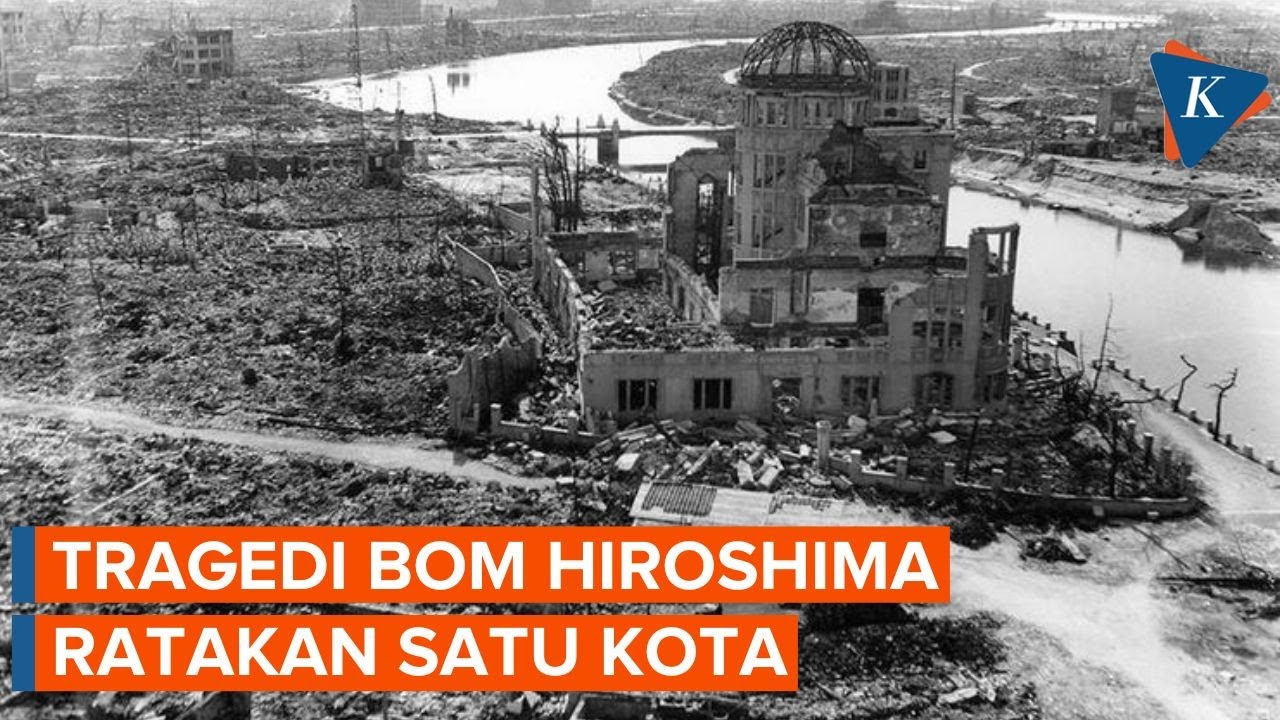
Kengerian Bom Hiroshima, Suhu Mencapai 7.000 Derajat Celcius, Satu Kota Lebur
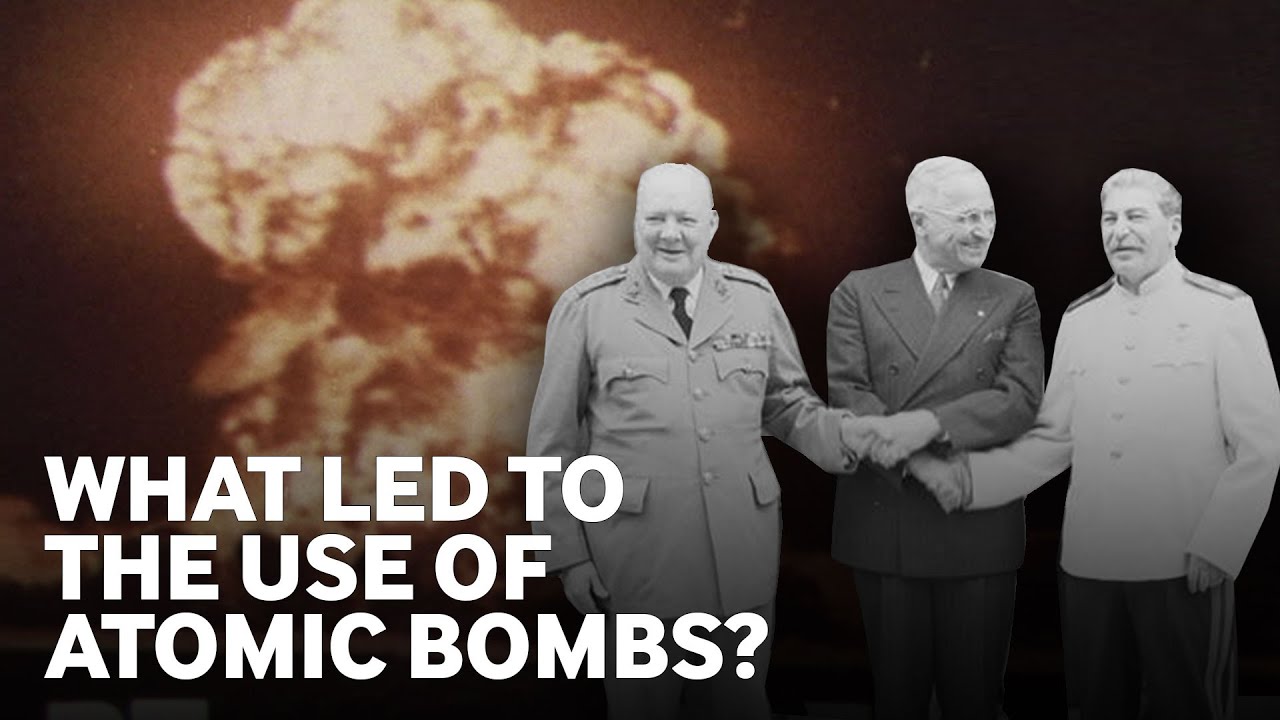
Hiroshima and Nagasaki Bombings: Were Nuclear Weapons Required to End the War?

Oppenheimer Atomic bomb How it Works | First Nuclear Bomb
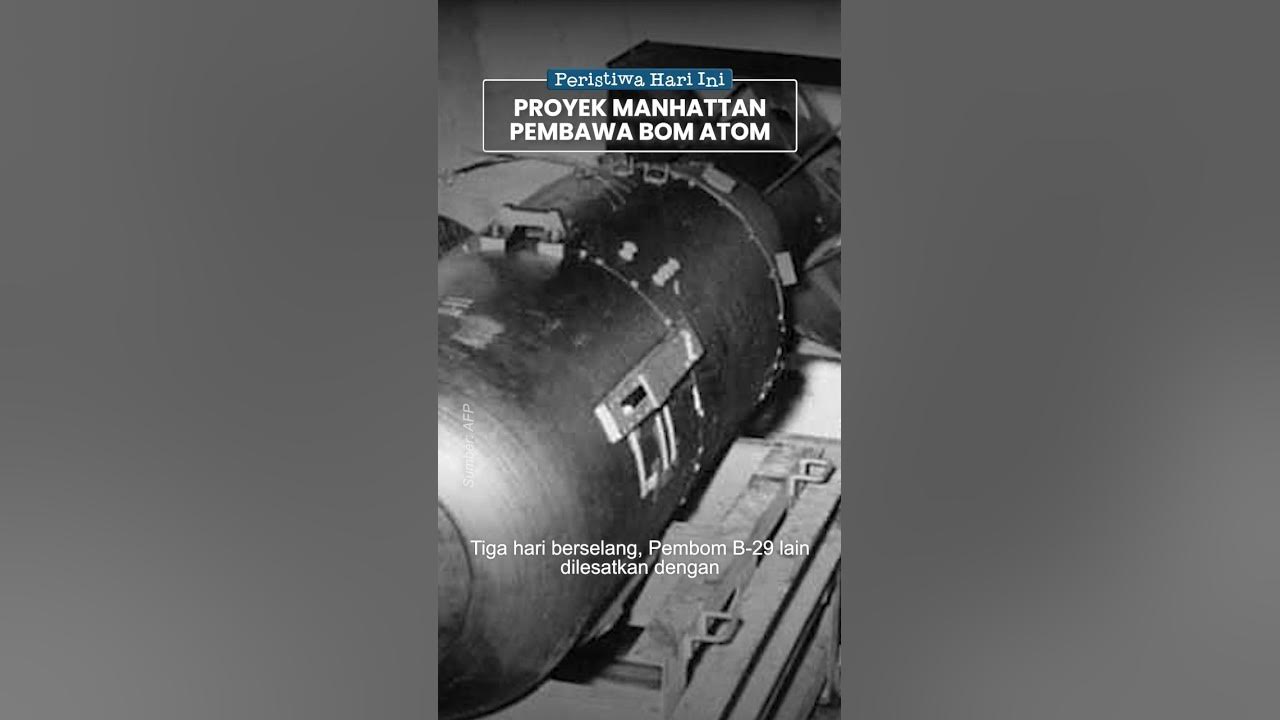
Peristiwa Hari Ini: 16 Juli Awal Mula Bom Dahsyat Hiroshima & Nagasaki, Kini Bayangi Konflik Timteng
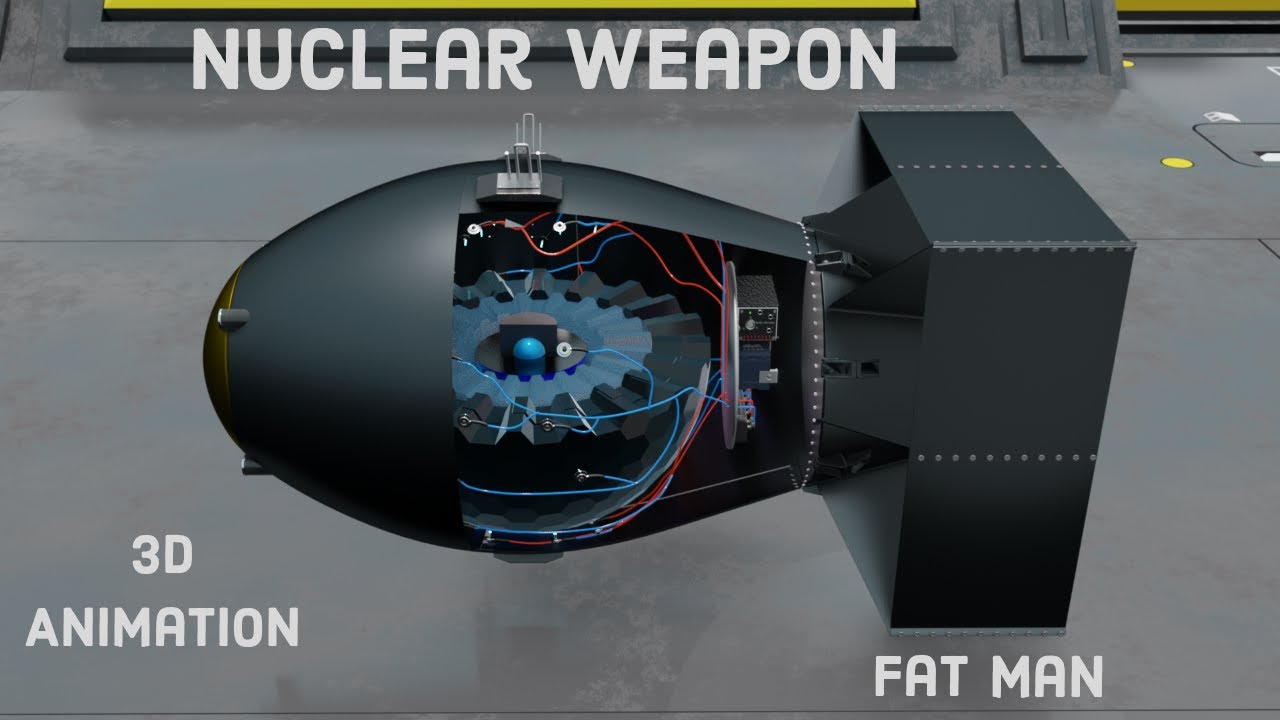
HOW FAT MAN WORKS ? | Nuclear Bomb ON Nagasaki | WORLD'S BIGGEST NUCLEAR BOMB | Learn from the base.
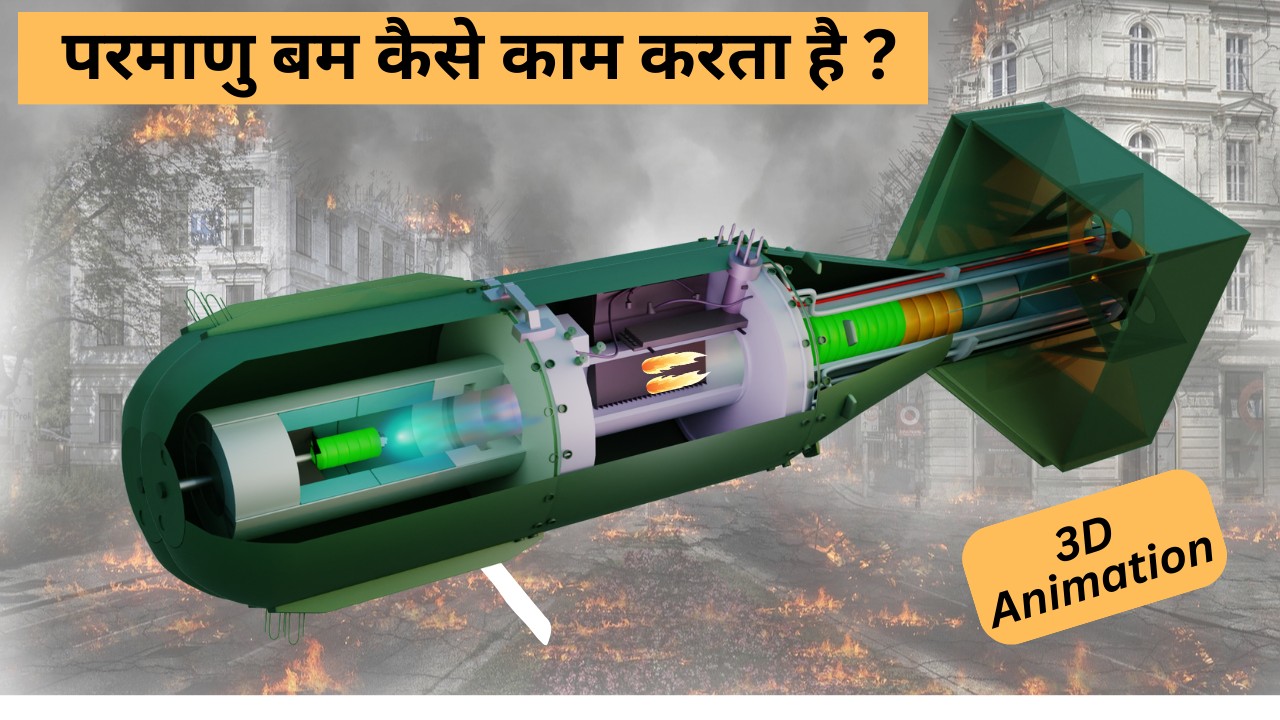
How Oppenheimer's Atomic Bomb Works || Nuclear Bomb Working
5.0 / 5 (0 votes)

