Kebudayaan - Geografi Kelas XI
Summary
TLDRThe video from SMAN 1 Praya explores Indonesia's national culture, highlighting its roots in diverse local cultures unified under the concept of Bhinneka Tunggal Ika. It explains the distinction between regional and national culture, emphasizing national pride. The lesson also covers the preservation and economic utilization of cultural heritage through creative industries and tourism, showcasing examples like traditional performances, local crafts, and storytelling. By leveraging Indonesia's rich ethnic diversity, languages, and cultural practices, the video illustrates how culture contributes to national identity, economic growth, and international recognition, encouraging viewers to actively engage in preserving and promoting Indonesia’s vibrant cultural landscape.
Takeaways
- 🌏 National culture in Indonesia is a collection of local cultures that represent the pride of the nation and have universal value.
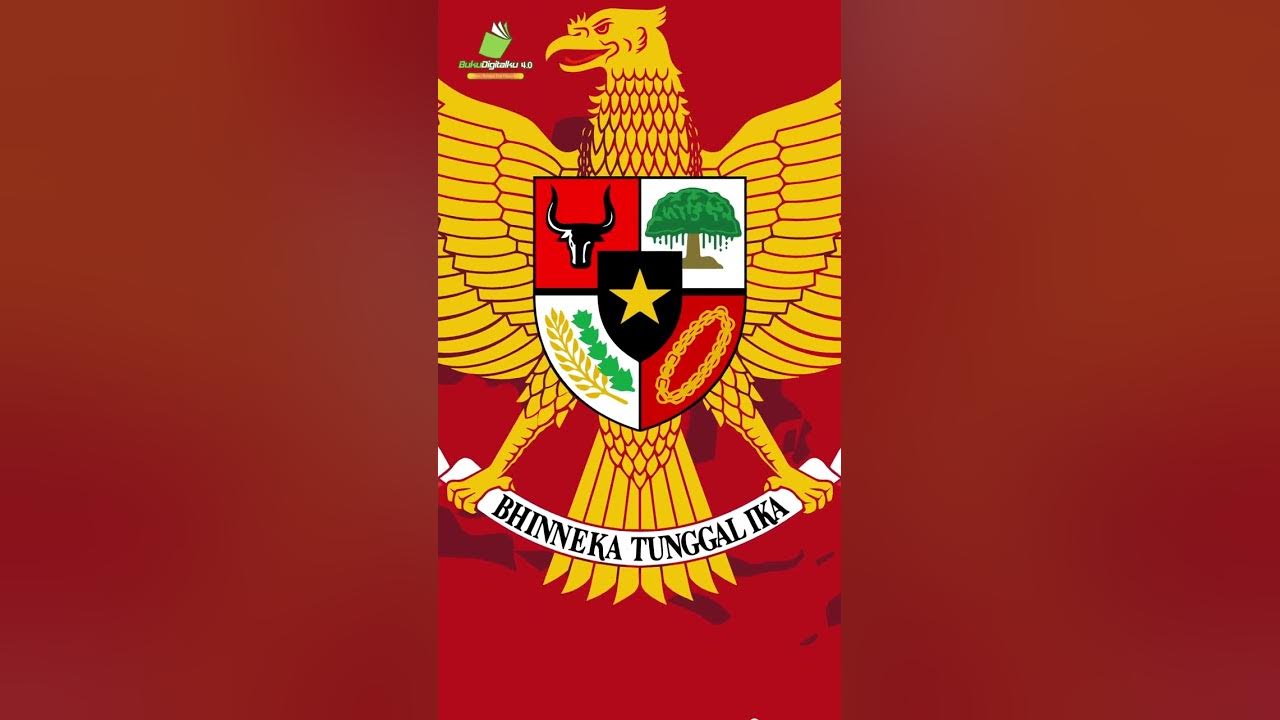
- 🏞️ National culture is rooted in local cultural traditions but unites them under the concept of 'Bhinneka Tunggal Ika' (Unity in Diversity).
- 🗺️ The difference between national and regional culture lies in scope: regional culture is local, while national culture represents Indonesia as a whole.
- 🛡️ Nationalism is the foundation of understanding and embracing national culture.
- 🎨 Cultural preservation ensures that traditional practices, languages, and arts are maintained for future generations.
- 💡 Creative economy leverages human creativity, ideas, and knowledge to generate economic value from cultural resources.
- -
- 🎭 Examples of cultural-based creative economy include Sendratari Ramayana in Yogyakarta, traditional storytelling of the Asmat people, and modern adaptations of cultural characters in games.
- 🍴 Cultural elements such as local cuisine, traditional clothing, and rituals can be harnessed to attract tourism and stimulate regional economies.
- 💬 Indonesia is culturally diverse, with approximately 350 ethnic groups, 1340 cultural practices, and 718 languages, making it rich in heritage and traditions.
- 😊 Simple cultural traits, such as the friendliness and smiles of Indonesians, also enhance the appeal of tourism.
- 📚 Understanding and participating in cultural activities strengthens the connection between individuals and their society while supporting cultural sustainability.
Q & A
What is the main focus of the video?
-The video primarily focuses on the concepts of national culture, the preservation and utilization of cultural products in economics and tourism, and the role of Indonesia’s rich cultural heritage in shaping its national identity.
How does the speaker define national culture in Indonesia?
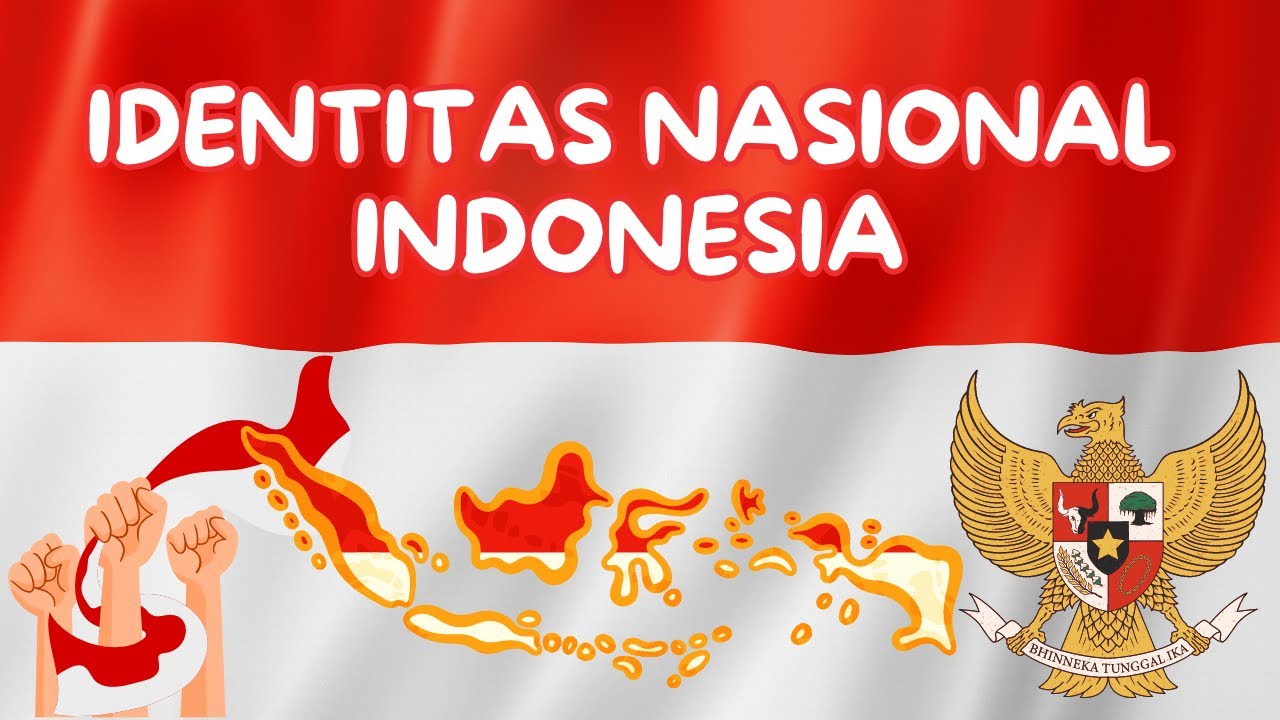
-National culture in Indonesia is described as the entire cultural heritage found within the country, encompassing both local cultures and regional traditions, which together contribute to a unified national identity.
What is the relationship between national culture and regional culture in Indonesia?
-National culture is seen as a culmination of regional cultures, where regional cultures represent the root of Indonesia’s national identity, and together they form a cohesive cultural framework under the concept of 'Bhinneka Tunggal Ika' (Unity in Diversity).
How does the speaker relate nationalism to culture?
-The speaker suggests that nationalism is the foundation for national culture, where the spirit of nationalism helps to unify diverse local cultures into a singular national culture. This unity is often conceptual and not easily articulated in specific terms.
What role does the speaker say cultural preservation plays in Indonesia’s economy?
-Cultural preservation plays a key role in Indonesia’s economy, especially through sectors like creative economics and tourism, where local traditions, arts, and crafts contribute significantly to economic growth and tourism revenue.
What is 'creative economy' as discussed in the video?
-Creative economy refers to an economic concept that intensifies the use of creativity and knowledge, transforming ideas into valuable products and services that contribute to the economy, such as through cultural products or innovation in industries like arts and tourism.
Can you give an example of how local culture contributes to the tourism industry in Indonesia?
-An example provided is the cultural performances like the Ramayana ballet in Prambanan, Yogyakarta, which attract large numbers of tourists annually. This highlights how Indonesia’s rich cultural heritage is leveraged to enhance tourism.
What is the significance of 'subak' in Bali?
-The 'subak' system in Bali is a traditional irrigation system that is unique to the region. It is not only a cultural practice but also a model of sustainable agriculture and cultural heritage, which is recognized globally.
What did the speaker say about the diversity of languages and ethnic groups in Indonesia?
-Indonesia is home to over 350 ethnic groups and around 718 languages. The diversity in language and ethnic groups is an important part of Indonesia’s cultural heritage, contributing to the country’s vast and varied traditions.
What does the speaker mean by the concept 'Bhinneka Tunggal Ika'?
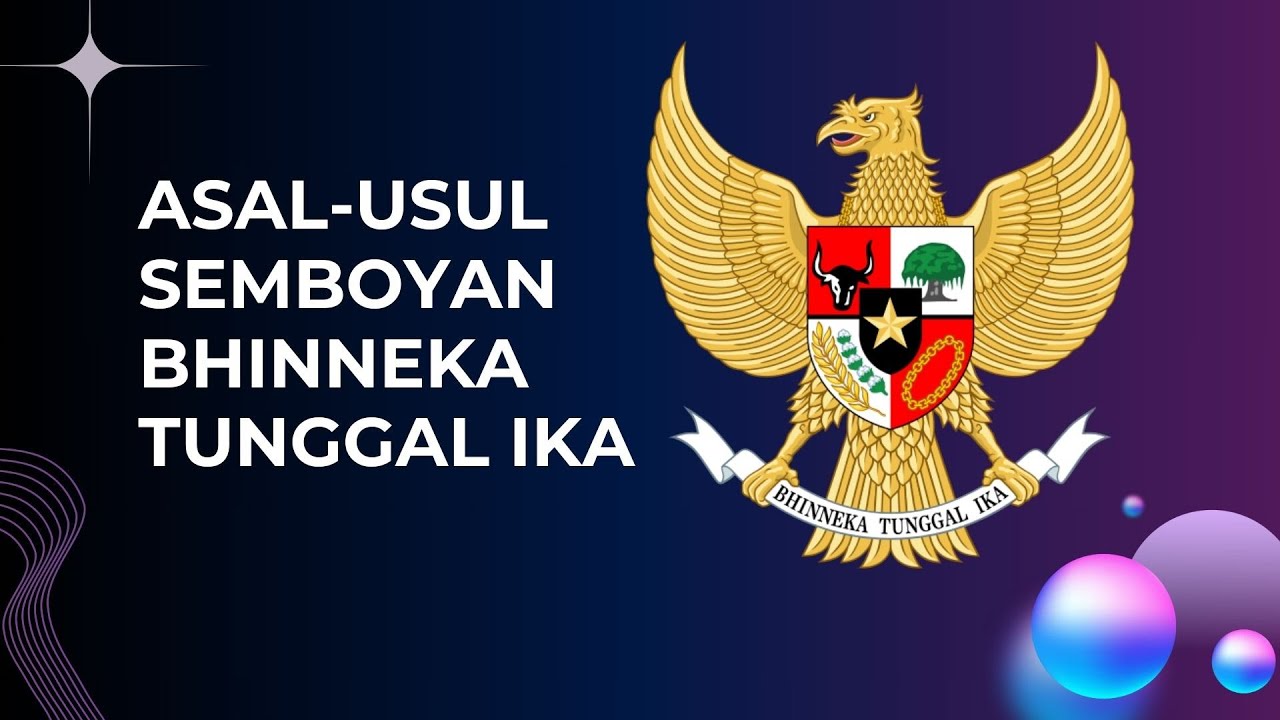
-The phrase 'Bhinneka Tunggal Ika' means 'Unity in Diversity,' emphasizing that although Indonesia is culturally diverse, all these cultures coexist within the framework of a unified national identity. This concept also applies to Indonesia’s national culture, which integrates various regional cultures into one inclusive entity.
Outlines

هذا القسم متوفر فقط للمشتركين. يرجى الترقية للوصول إلى هذه الميزة.
قم بالترقية الآنMindmap

هذا القسم متوفر فقط للمشتركين. يرجى الترقية للوصول إلى هذه الميزة.
قم بالترقية الآنKeywords

هذا القسم متوفر فقط للمشتركين. يرجى الترقية للوصول إلى هذه الميزة.
قم بالترقية الآنHighlights

هذا القسم متوفر فقط للمشتركين. يرجى الترقية للوصول إلى هذه الميزة.
قم بالترقية الآنTranscripts

هذا القسم متوفر فقط للمشتركين. يرجى الترقية للوصول إلى هذه الميزة.
قم بالترقية الآن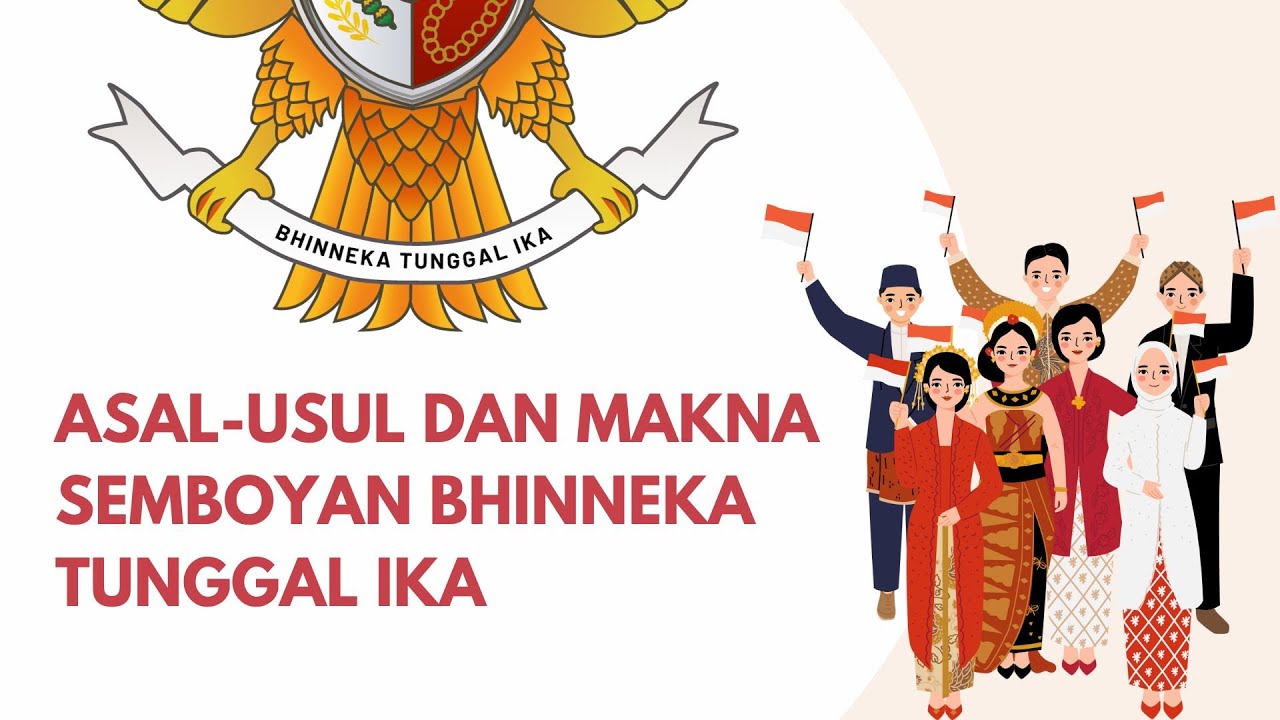

5.0 / 5 (0 votes)

