KARAKTERISTIK LAPISAN ATMOSFER #geography #education #kurikulummerdeka #atmosphere #atmosfer
Summary
TLDRThis video explains the structure and characteristics of Earth's atmosphere, based on both scientific concepts and references from the Quran. It describes the five layers of the atmosphere—troposphere, stratosphere, mesosphere, thermosphere, and exosphere—highlighting their unique features such as temperature variations, the ozone layer, and atmospheric phenomena. The video also introduces the concept of homosphere and heterosphere, and explains atmospheric temperature gradients, the role of albedo, and the impact of Earth’s rotation. It offers a comprehensive and engaging overview of the atmosphere's composition and its vital role in protecting life on Earth.
Takeaways
- 🌍 The atmosphere is composed of multiple layers, traditionally understood as seven layers according to Quranic references.
- ✈️ The atmosphere is vertically divided into the troposphere, stratosphere, mesosphere, thermosphere, and exosphere.
- 📏 Troposphere ranges from 0 to 12 km, with varying thickness: thinner at the poles and thicker at the equator, containing 80% of atmospheric mass.
- 🌡️ Temperature decreases with altitude in the troposphere, approximately 0.6°C per 100 meters, reaching -60°C at the top.
- 🛫 Stratosphere ranges from 12 to 50 km, contains the ozone layer around 35 km, and features temperature inversion between 20–60 km.
- ☄️ Mesosphere spans 50–80 km, is the coldest layer (down to -90°C), and burns meteors entering Earth's atmosphere.
- ⚡ Thermosphere (80–700 km) contains ionized gases forming the ionosphere, temperatures vary widely but can reach extremely high values due to solar radiation.
- 🛰️ Exosphere is the outermost layer beyond 700 km, considered interplanetary space where satellites orbit, and gas molecules move freely.
- 🔄 Atmosphere layers are also categorized into homosphere (uniform composition, up to 80 km) and heterosphere (composition varies with altitude).
- 🌞 Temperature variations in layers are influenced by factors such as albedo, atmospheric thickness, and centrifugal forces from Earth's rotation.
Q & A
What is the significance of the Quranic verses mentioned in relation to the atmosphere?
-The Quranic verses refer to the creation of the Earth and the atmosphere, describing how Allah created the heavens and the Earth, which aligns with the scientific understanding of the Earth’s atmosphere and its layers. The concept of the 'seven heavens' is interpreted to represent the different atmospheric layers, highlighting both religious and scientific perspectives.
What are the main layers of Earth's atmosphere?
-The Earth's atmosphere is divided into five main layers: the troposphere, stratosphere, mesosphere, thermosphere, and exosphere. Each layer has distinct characteristics, such as temperature gradients, composition, and its role in protecting life on Earth.
How does the temperature change with altitude in the troposphere?
-In the troposphere, the temperature decreases as altitude increases. The temperature drops approximately 0.6°C for every 1 meter of ascent. This is why the highest temperatures are found at the surface and decrease as you go higher in the troposphere.
What is the role of the ozone layer in the stratosphere?
-The ozone layer in the stratosphere absorbs harmful ultraviolet (UV) radiation from the Sun, protecting life on Earth from the dangerous effects of UV exposure. This is one of the most important functions of the stratosphere.
Why is the mesosphere considered the coldest part of the atmosphere?
-The mesosphere is the coldest part of the atmosphere because the temperature decreases with altitude, reaching as low as -90°C at its highest point. This drastic drop in temperature is due to the lack of direct sunlight and the thinning air.
What happens to meteors as they enter the mesosphere?
-As meteors enter the mesosphere, the high friction with the dense atmosphere causes them to burn up, producing the streaks of light we see as meteors or shooting stars.
What is the thermosphere, and why is it significant?
-The thermosphere is a layer of the atmosphere that starts at around 80 km above the Earth's surface and extends up to 700 km. It is characterized by extremely high temperatures, which can reach up to 2,500°C. This layer contains the ionosphere, where solar radiation causes ionization of atoms, and it is where phenomena like the Northern and Southern Lights (auroras) occur.
How does the exosphere differ from the other layers?
-The exosphere is the outermost layer of the atmosphere, starting around 700 km above the Earth. It is characterized by very low density, where atoms and molecules can move freely into space. It is also the hottest layer, despite having very few particles to retain heat.
What are the homosphere and heterosphere, and how do they differ?
-The homosphere refers to the lower part of the atmosphere, which is made up of a uniform mixture of gases and includes the troposphere, stratosphere, and mesosphere. The heterosphere, on the other hand, starts above 80 km and consists of distinct layers of gases with varying compositions due to differences in solar radiation at day and night.
What is albedo, and how does it affect temperature in the atmosphere?
-Albedo is the ratio of the amount of sunlight that is reflected by Earth's surface to the amount of sunlight that is absorbed. A higher albedo means more sunlight is reflected, which can cool the surface, while a lower albedo means more sunlight is absorbed, raising the temperature. Albedo plays a role in temperature differences across the different atmospheric layers.
Outlines

هذا القسم متوفر فقط للمشتركين. يرجى الترقية للوصول إلى هذه الميزة.
قم بالترقية الآنMindmap

هذا القسم متوفر فقط للمشتركين. يرجى الترقية للوصول إلى هذه الميزة.
قم بالترقية الآنKeywords

هذا القسم متوفر فقط للمشتركين. يرجى الترقية للوصول إلى هذه الميزة.
قم بالترقية الآنHighlights

هذا القسم متوفر فقط للمشتركين. يرجى الترقية للوصول إلى هذه الميزة.
قم بالترقية الآنTranscripts

هذا القسم متوفر فقط للمشتركين. يرجى الترقية للوصول إلى هذه الميزة.
قم بالترقية الآنتصفح المزيد من مقاطع الفيديو ذات الصلة

BUMI DAN ANTARIKSA PART 2 | Bentuk Bumi | Lapisan Bumi

Karya Ilmiah

Ratnaningsih Projek IPAS kelas X SMKN 1 Padaherang Bumi dan Antariksa 3 Atmosfer April 2023 #PKGTK

IPA kelas 7 : Struktur/Lapisan Bumi (Atmosfer)
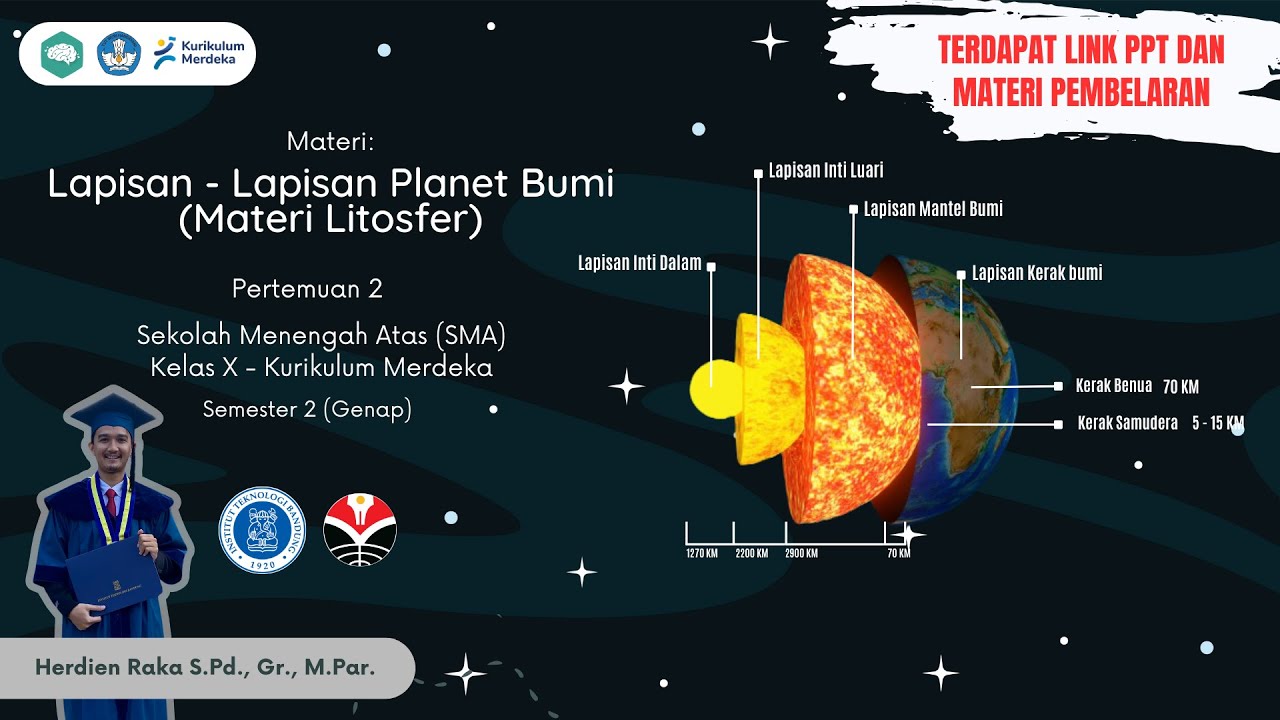
LITOSFER : LAPISAN - LAPISAN PLANET BUMI
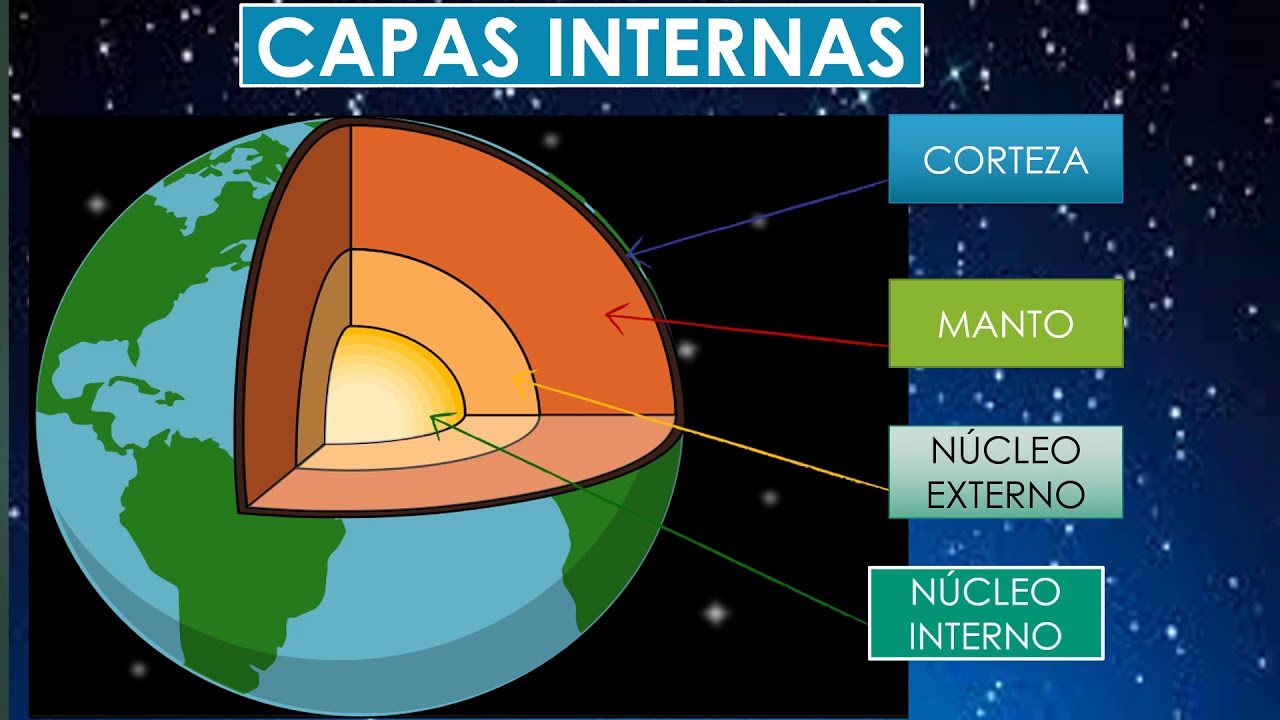
VIDEO DE LAS CAPAS EXTERNAS E INTERNAS DE LA TIERRA. AUTORA VICTORIA GUAMÁN.
5.0 / 5 (0 votes)

