Karya Ilmiah
Summary
TLDRThis video explains the essential aspects of writing a scientific paper (karya ilmiah). It begins by linking the paper to previous research proposals, detailing the definition, characteristics, and structure of a scientific work. Key features like objectivity, logic, systematics, and neutrality are emphasized. The structure includes an introduction, theoretical framework, methodology, discussion, conclusion, and recommendations. Practical tips on formatting, citing references, and writing appendices are also provided. The instructor concludes by assigning a task to help students practice the concepts, ensuring they are ready to write their own well-structured scientific papers.
Takeaways
- 😀 Scientific works are written based on individual or team research, following established scientific procedures and ethical guidelines.
- 😀 Scientific works can be conducted by one person or a group, but must follow proper academic standards.
- 😀 Key characteristics of scientific writing include being objective, logical, systematic, factual, and neutral.
- 😀 Objectivity in scientific work means presenting facts and data without manipulation and ensuring statements are evidence-based.
- 😀 Logical reasoning in scientific writing ensures arguments are understandable, coherent, and supported by either inductive (specific to general) or deductive (general to specific) reasoning.
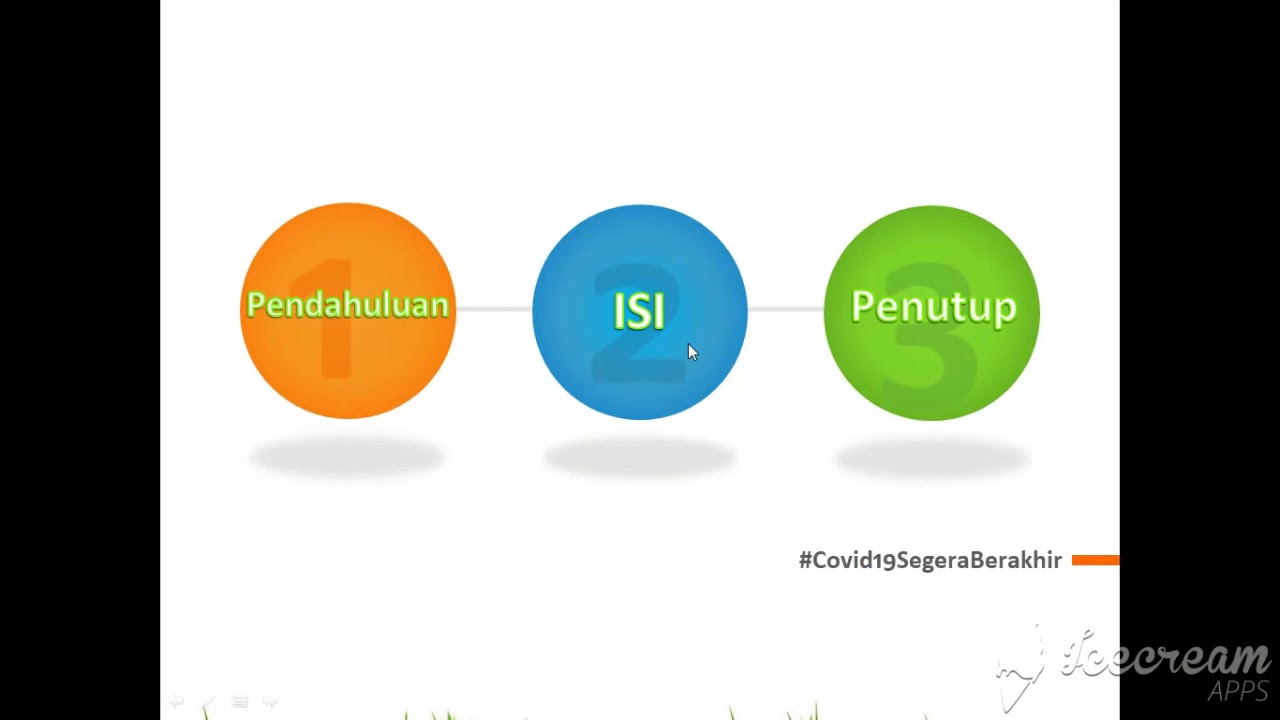
- 😀 A systematic approach in scientific work requires following a structured format, including introduction, discussion, and conclusion.
- 😀 Landasan teori (theoretical framework) supports arguments and connects research findings to established theories, avoiding random accumulation of theories.
- 😀 The methods section details research subjects, data sources, location and time, techniques, and instruments used for data collection and analysis.
- 😀 Results and discussion (usually in chapter 4) form the core of the research, providing detailed answers to research questions and supported by evidence.
- 😀 Conclusions summarize research findings in alignment with research questions, and suggestions/recommendations should be derived from these findings, not personal opinion.
- 😀 References (daftar pustaka) must be organized alphabetically and include all sources cited, while appendices provide supporting documents like surveys or questionnaires.
- 😀 Proper use of writing conventions, such as capitalization, paragraph structure, and alignment with research questions, is crucial for clarity and academic integrity.
Q & A
What is a scientific paper, and who can write one?
-A scientific paper is a written work based on research conducted either by an individual or a team. It follows established scientific procedures and adheres to ethical standards. It can be written by a single person or a group.
What are the essential characteristics of a scientific paper?
-The essential characteristics of a scientific paper include objectivity (based on facts and verifiable data), logical reasoning (supported by sound logic and rationale), and systematic structure (following a clear and standardized format).
What is the importance of 'objectivity' in writing a scientific paper?
-Objectivity ensures that the paper is based on real, verifiable facts without any manipulation or bias. Every statement or conclusion should be supported by evidence that can be logically defended.
How does the 'logical' characteristic affect the quality of a scientific paper?
-The logical characteristic ensures that the content of the paper is reasonable and can be understood and justified through sound reasoning. It helps in presenting ideas in a manner that is easy to follow and supports the overall thesis.
What does 'systematic' mean in the context of a scientific paper?
-In the context of a scientific paper, 'systematic' refers to following an organized and standardized approach in presenting information. This ensures clarity, consistency, and adherence to recognized writing norms.
What are the main sections of a scientific paper?
-A scientific paper typically includes the following sections: Abstract, Introduction, Methods, Results, Discussion, Conclusion, and References. Some papers may also include Appendices with additional supporting material.
Why is the 'Introduction' important in a scientific paper?
-The Introduction provides essential background information on the research topic, outlines the research problem, and states the objectives and significance of the study. It sets the context for the entire paper.
What role does the 'Methods' section play in a scientific paper?
-The Methods section describes the research design, data collection techniques, and analytical procedures used in the study. It ensures transparency and allows others to replicate or validate the research.
What is the purpose of the 'Results' section in a scientific paper?
-The Results section presents the findings of the research in a clear and concise manner, often using data tables, charts, or graphs. It answers the research questions and supports the conclusions drawn in the study.
How should the 'Conclusion' be written in a scientific paper?
-The Conclusion summarizes the key findings of the research and provides answers to the research questions. It should align with the Introduction and Discussion, offering a final statement on the research's significance and potential future directions.
Outlines

This section is available to paid users only. Please upgrade to access this part.
Upgrade NowMindmap

This section is available to paid users only. Please upgrade to access this part.
Upgrade NowKeywords

This section is available to paid users only. Please upgrade to access this part.
Upgrade NowHighlights

This section is available to paid users only. Please upgrade to access this part.
Upgrade NowTranscripts

This section is available to paid users only. Please upgrade to access this part.
Upgrade Now




5.0 / 5 (0 votes)
