Metabolisme Makromolekul Lipid (lipogenesis-lipolisis) | Biokimia 101
Summary
TLDRThis video explores the role of lipids in the body, explaining their structure, types, and functions. Lipids, including fats, oils, and waxes, are essential macromolecules composed of carbon, hydrogen, and oxygen. The video covers lipid digestion, classification of fatty acids, and the processes of lipid metabolism such as lipolysis and lipogenesis. Lipids serve as energy storage, structural components of cell membranes, and play a key role in cell communication and signaling. Additionally, it highlights lipid transport mechanisms, including exogenous and endogenous pathways.
Takeaways
- 😀 Lipids are macromolecules essential for the body, just like carbohydrates and proteins.
- 😀 Lipids are hydrophobic (water-repellent) and lipophilic (fat-loving), meaning they don't mix with water but can dissolve in non-polar solvents.
- 😀 Lipids can be dissolved in non-polar solvents like ether, chloroform, and benzene, but emulsifiers (e.g., dish soap) can help lipid and water mix.
- 😀 The primary functions of lipids in the body include energy storage, forming cell membranes, and facilitating cell communication through substances like steroids and vitamins.
- 😀 Simple lipids consist of glycerol and fatty acids, with examples including triglycerides (fats) and oils (liquid lipids).
- 😀 Fatty acids can be classified as essential (needed from food) and non-essential (produced by the body), as well as saturated or unsaturated based on the presence of double bonds.
- 😀 Lipid classification also includes complex lipids like phospholipids (important for cell membranes) and sphingomyelin (found in nerve sheaths).
- 😀 Lipoproteins (like HDL and LDL) are complex lipids combined with proteins and are involved in fat transport through the bloodstream.
- 😀 Lipid metabolism begins with digestion in the mouth, where lipase breaks down lipids into glycerol and fatty acids, continuing through the stomach and small intestine with the help of bile salts.
- 😀 Lipid transport in the body uses chylomicrons (lipid-protein complexes) and involves lymphatic and blood systems to deliver fats to cells for energy or storage.
- 😀 Lipid utilization in the body includes lipolysis (breaking down fats for energy) and lipogenesis (creating fat from excess carbohydrates for storage).
Q & A
What are lipids, and how are they classified?
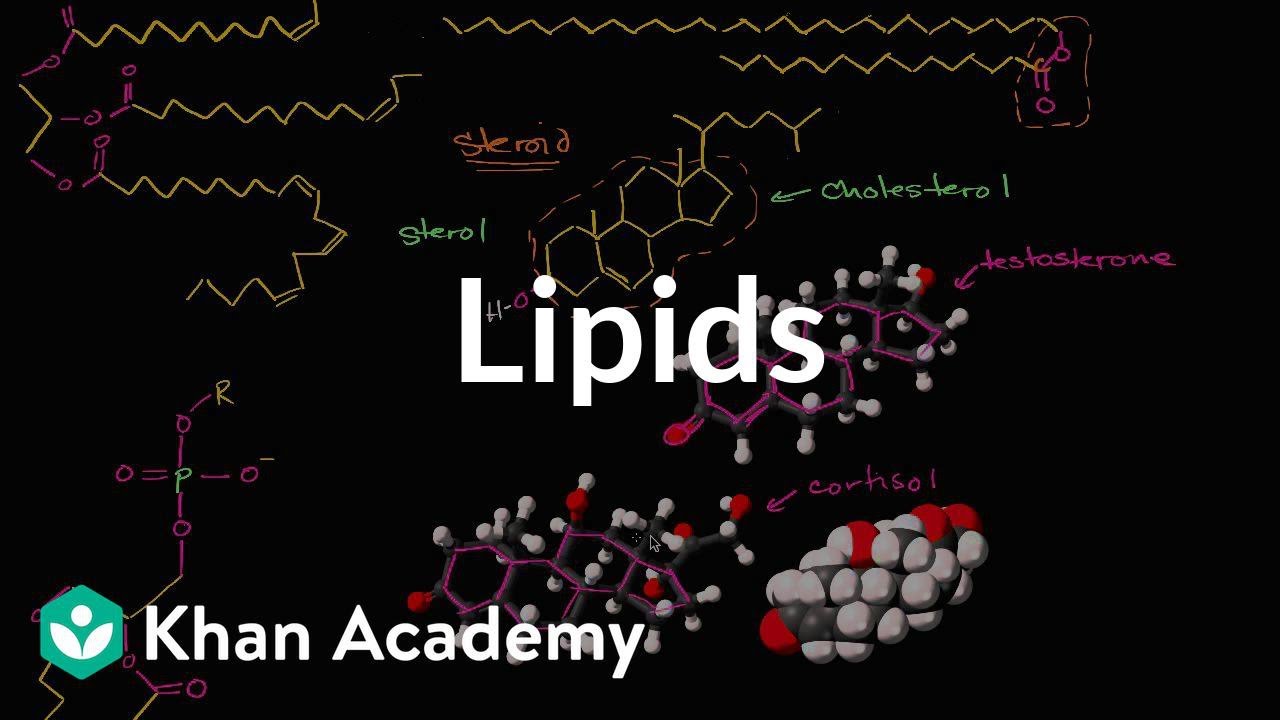
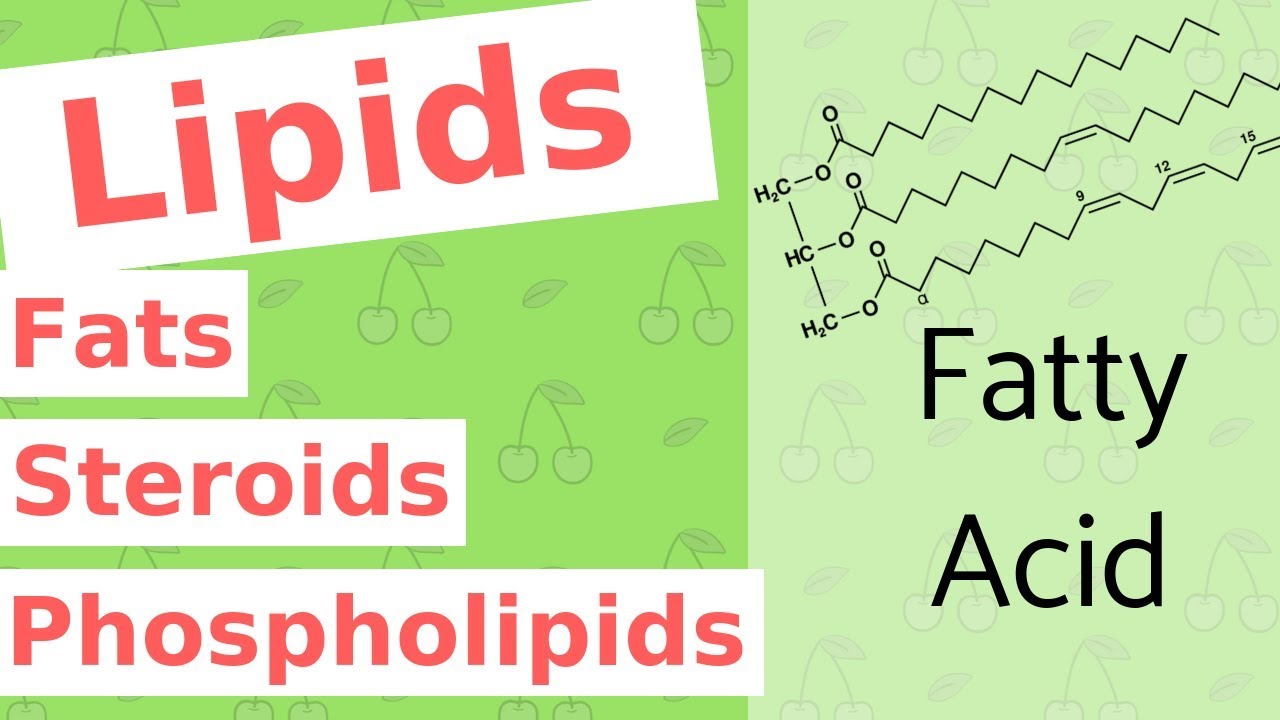
-Lipids are macromolecules essential for the body, much like carbohydrates and proteins. They are primarily composed of carbon, hydrogen, and oxygen, with varying proportions compared to carbohydrates. Lipids include fats, oils, waxes, and complex structures like cell membranes. They are classified into simple lipids (e.g., triglycerides) and complex lipids (e.g., phospholipids and sphingomyelins).
What is the key structural difference between lipids and carbohydrates?
-Lipids and carbohydrates both contain carbon, hydrogen, and oxygen, but lipids have a higher proportion of hydrocarbon chains in their structure, making them hydrophobic (water-repellent). In contrast, carbohydrates are typically hydrophilic (water-attracting) due to their structure.
What does it mean for a substance to be hydrophobic or lipophilic?
-Hydrophobic (water-fearing) substances, like lipids, do not mix with water because they are nonpolar. Lipophilic (fat-loving) refers to substances that dissolve in fats or lipids. These terms are synonymous in the context of lipids, as they repel water but interact well with nonpolar solvents.
What role do emulsifiers, like dish soap, play in lipid-water interaction?
-Emulsifiers, such as dish soap, have both polar and nonpolar components. This allows them to bridge the gap between hydrophobic lipids and polar water, facilitating the mixing of these otherwise incompatible substances.
What are the main functions of lipids in the human body?
-Lipids serve several vital functions, including energy storage (acting like a 'power bank'), forming cell membrane structures, and aiding in cellular communication, such as with steroids and vitamins. They also regulate biological processes.
What are the differences between essential and non-essential fatty acids?
-Essential fatty acids must be obtained from food because the body cannot produce them. Non-essential fatty acids can be synthesized by the body, meaning they do not need to be consumed directly.
How do saturated and unsaturated fatty acids differ?
-Saturated fatty acids have no double bonds between carbon atoms, meaning the carbon chain is fully 'saturated' with hydrogen atoms. Unsaturated fatty acids have one or more double bonds, which result in fewer hydrogen atoms. Unsaturated fats tend to be liquid at room temperature, while saturated fats are solid.
What are phospholipids, and where can they be found in the body?
-Phospholipids are complex lipids composed of glycerol, fatty acids, and a phosphate group. They are essential components of cell membranes, forming a bilayer that acts as a barrier and helps regulate the movement of substances into and out of cells.
What is the role of lipoproteins like HDL and LDL in the body?
-Lipoproteins are complexes of lipids and proteins that transport lipids through the bloodstream. HDL (High-Density Lipoprotein) is considered 'good' cholesterol as it helps remove excess cholesterol from the bloodstream, while LDL (Low-Density Lipoprotein) is considered 'bad' cholesterol, as high levels can lead to plaque buildup in arteries.
How does lipid digestion and absorption occur in the human body?
-Lipid digestion begins in the mouth with the enzyme lipase in saliva. In the stomach, gastric lipase further breaks down lipids. In the duodenum, bile salts from the gallbladder emulsify lipids, enabling their absorption. The resulting lipid products are transported via chylomicrons through the lymphatic system before entering the bloodstream.
Outlines

هذا القسم متوفر فقط للمشتركين. يرجى الترقية للوصول إلى هذه الميزة.
قم بالترقية الآنMindmap

هذا القسم متوفر فقط للمشتركين. يرجى الترقية للوصول إلى هذه الميزة.
قم بالترقية الآنKeywords

هذا القسم متوفر فقط للمشتركين. يرجى الترقية للوصول إلى هذه الميزة.
قم بالترقية الآنHighlights

هذا القسم متوفر فقط للمشتركين. يرجى الترقية للوصول إلى هذه الميزة.
قم بالترقية الآنTranscripts

هذا القسم متوفر فقط للمشتركين. يرجى الترقية للوصول إلى هذه الميزة.
قم بالترقية الآنتصفح المزيد من مقاطع الفيديو ذات الصلة


5.0 / 5 (0 votes)

