11th BK | Chapter 7 | Depreciation | Part 1 | 2 Shot Series | Maharashtra Board |
Summary
TLDRIn this video, the concept of depreciation is explained in detail, emphasizing its importance in both academics and business. The instructor provides clear examples, such as the depreciation of assets like vehicles and machinery, explaining how the value of assets decreases over time. The video covers both tangible and intangible assets and discusses different methods of calculating depreciation, including Straight Line Method (SLM) and Written Down Value Method (WDV). This tutorial aims to give a solid understanding of depreciation for students and professionals alike, ensuring practical application in future studies or business scenarios.
Takeaways
- 😀 Depreciation is an important concept that applies to assets in both personal and business contexts, and it impacts your financial life.
- 😀 Depreciation occurs when the value of an asset decreases over time due to usage, wear and tear, or obsolescence.
- 😀 Example: If you purchase an iPhone for ₹50,000 and later sell it, the resale value will be less, which represents depreciation.
- 😀 Depreciation applies not only to electronics but also to vehicles, machinery, and even buildings, impacting their value over time.
- 😀 There are two main types of assets: tangible assets (e.g., buildings, furniture, vehicles) and intangible assets (e.g., goodwill, copyrights).
- 😀 Tangible assets depreciate in value over time, while the value of land, gold, and metals generally increases.
- 😀 Depreciation is calculated on tangible assets using methods like Straight-Line Method (SLM) and Written-Down Value Method (WDV).
- 😀 SLM involves calculating depreciation equally each year based on the original cost of the asset, regardless of its decreasing value over time.
- 😀 WDV, on the other hand, calculates depreciation based on the reduced value of the asset, meaning depreciation is higher in the initial years and reduces over time.
- 😀 Depreciation helps businesses allocate funds over the lifespan of an asset for future replacement or repairs, minimizing the financial burden.
- 😀 Understanding depreciation methods is crucial for accounting and finance, especially in long-term investments like machinery, vehicles, or property.
Q & A
What is depreciation?
-Depreciation refers to the reduction in the value of an asset over time due to wear and tear, aging, or obsolescence. This loss in value is recognized and accounted for in financial reporting.
Why is depreciation important in business?
-Depreciation is important because it reflects the ongoing loss in value of assets, helping businesses plan for asset replacement and manage their financial statements accurately. It also affects taxable income since depreciation reduces profit.
What are tangible and intangible assets?
-Tangible assets are physical assets like buildings, machinery, and furniture, which can be touched and seen. Intangible assets are non-physical assets like goodwill, patents, and trademarks, which cannot be physically touched but are valuable due to their reputation or legal protection.
What are wasting assets, and how do they relate to depreciation?
-Wasting assets are resources like coal, minerals, and oil that are consumed or depleted over time. Depreciation for these assets is known as 'depletion,' reflecting the reduction in their value as they are used.
What is the difference between depreciation and amortization?
-Depreciation refers to the decrease in the value of tangible assets over time, while amortization refers to the gradual expense of intangible assets. Both methods allocate the cost of the asset over its useful life.
What is the Straight-Line Method (SLM) of calculating depreciation?
-The Straight-Line Method (SLM) involves charging the same amount of depreciation each year over the asset's estimated useful life. It is calculated by dividing the cost of the asset (minus scrap value) by its useful life.
How do you calculate depreciation using the Straight-Line Method?
-To calculate depreciation using the Straight-Line Method, subtract the asset’s scrap value from its original cost, then divide by the estimated useful life in years. The result is the annual depreciation charge.
What is the Written-Down Value (WDV) method of depreciation?
-The Written-Down Value (WDV) method calculates depreciation based on the asset's reducing balance, meaning depreciation is calculated on the asset's current book value, which decreases over time.
How is depreciation calculated under the Written-Down Value method?
-Under the WDV method, the depreciation is calculated as a fixed percentage of the asset's book value at the beginning of each year. This results in a decreasing amount of depreciation charged over the asset’s life.
Why is it important to account for depreciation in business accounting?
-Accounting for depreciation ensures that the business's financial statements reflect the true value of its assets and liabilities. It helps businesses track the wear and tear of assets, plan for replacements, and manage tax obligations more effectively.
Outlines

هذا القسم متوفر فقط للمشتركين. يرجى الترقية للوصول إلى هذه الميزة.
قم بالترقية الآنMindmap

هذا القسم متوفر فقط للمشتركين. يرجى الترقية للوصول إلى هذه الميزة.
قم بالترقية الآنKeywords

هذا القسم متوفر فقط للمشتركين. يرجى الترقية للوصول إلى هذه الميزة.
قم بالترقية الآنHighlights

هذا القسم متوفر فقط للمشتركين. يرجى الترقية للوصول إلى هذه الميزة.
قم بالترقية الآنTranscripts

هذا القسم متوفر فقط للمشتركين. يرجى الترقية للوصول إلى هذه الميزة.
قم بالترقية الآنتصفح المزيد من مقاطع الفيديو ذات الصلة

ENZIMAS. CONCEPTO Y ESTRUCTURA. Biocatalizador Centro activo
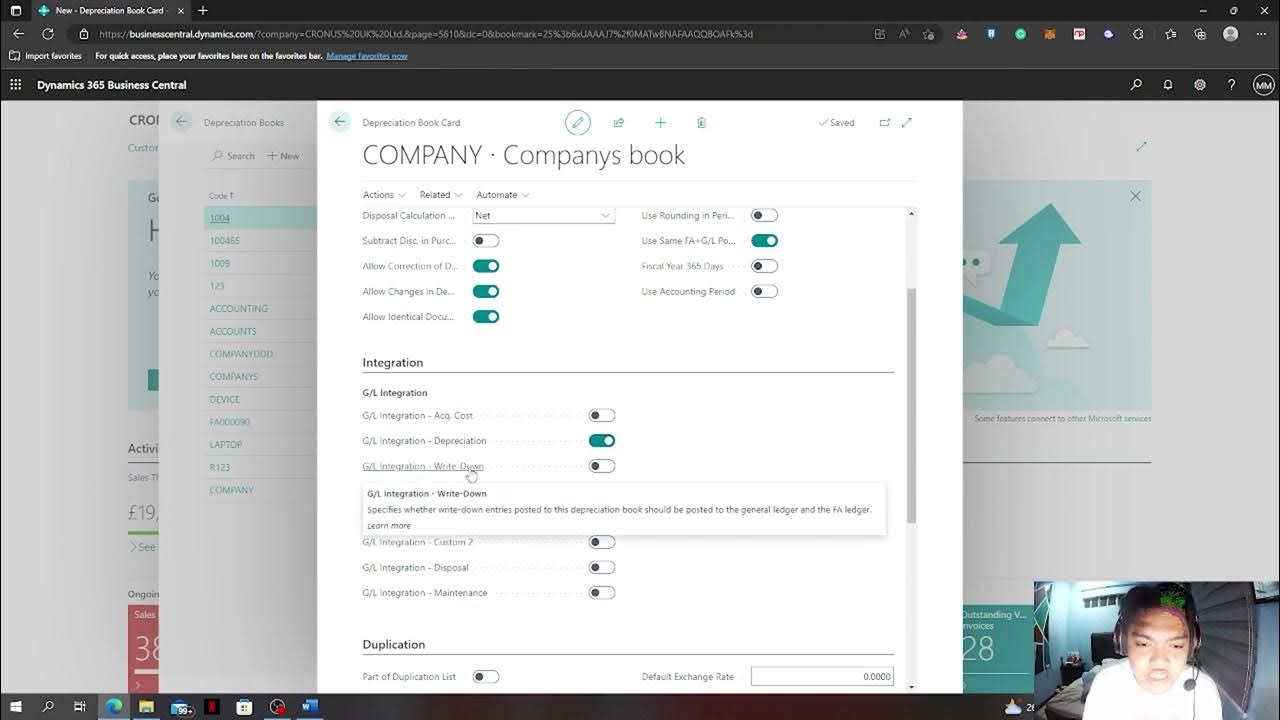
Discuss and Transact Depreciation Posting and Depreciation Books

AS/A Level Accounting - Part exchange of assets and Depreciation entries

Kirchhoff's Current Law (KCL) Explained

DASAR-DASAR MPLB ELEMEN 7 || KOMUNIKASI KANTOR - SISTEM INFORMASI DAN KOMUNIKASI ORGANISASI

Materi BEP (Break Even Point) - Kelas XI Prakarya dan Kewirausahaan
5.0 / 5 (0 votes)

