CONEXIÓN DE CATÉTERES VENOSOS CENTRALES PARA HEMODIÁLISIS
Summary
TLDRThis instructional video demonstrates the step-by-step procedure for safely connecting a patient to a dialysis machine. It emphasizes strict aseptic techniques, including hand hygiene, use of antiseptics, and sterile gloves. The video guides viewers through preparing materials, cleaning and handling the catheter, checking catheter permeability, and properly connecting the machine while monitoring vital signs. Special attention is given to maintaining sterility, preventing infection, and ensuring accurate machine settings. The procedure concludes with securing the catheter site, recording patient data, and verifying dialysis flow, providing a comprehensive guide for healthcare professionals to perform dialysis connections safely and effectively.
Takeaways
- 😀 Ensure antiseptic solution is applied to hands before starting the dialysis procedure.
- 😀 Always verify the machine's setup and purge process before beginning the dialysis.
- 😀 Introduce yourself to the patient and inform them of the procedure you're about to start.
- 😀 Measure the patient's blood pressure and apply a mask for both patient and healthcare provider.
- 😀 Use non-sterile gloves initially to handle the necessary materials for dialysis connection.
- 😀 Open the sterile field carefully to avoid contamination and arrange required materials.
- 😀 Prepare the catheter by applying antiseptic solution (chlorhexidine 2%) to ensure aseptic conditions.
- 😀 Use sterile gloves when manipulating the catheter to avoid contamination during the connection process.
- 😀 Check the permeability of each catheter branch using syringes, ensuring no air enters the system.
- 😀 After confirming catheter permeability, connect the branches to the machine and begin the blood pump.
- 😀 Post-connection, monitor the catheter insertion site for signs of infection or complications and treat accordingly.
Q & A
What is the first step a nurse must take before beginning a dialysis procedure?
-The nurse must apply antiseptic solution to their hands and distribute it thoroughly, following the established protocol to ensure proper hand hygiene before connection.
How should the nurse introduce themselves to the patient?
-The nurse should present themselves politely, inform the patient that the dialysis session is about to begin, and provide a brief explanation of the process to reassure the patient.
Why is it important to put on a mask for both the patient and nurse?
-Masks help prevent the spread of infection by reducing the transmission of microorganisms between the patient and healthcare provider during the procedure.
What is the purpose of using non-sterile gloves initially?
-Non-sterile gloves are used when preparing materials that will be placed on the sterile field, helping to maintain general hygiene while avoiding direct contact with sterile equipment.
Why is a sterile drape used when preparing the catheter lines?
-A sterile drape ensures that the catheter lines do not touch the patient's skin, maintaining asepsis throughout the procedure and preventing contamination.
What is the significance of applying 2% chlorhexidine to the catheter site?
-Applying 2% chlorhexidine disinfects the catheter insertion site, reducing the risk of infection and allowing for safe manipulation of the catheter during dialysis.
When are sterile gloves used during the procedure?
-Sterile gloves are worn when handling the catheter lines and other materials on the sterile field, ensuring that asepsis is maintained during direct manipulation of the catheter.
How is the patency of each catheter branch verified?
-Patency is checked by aspirating and flushing the catheter with saline using a syringe, confirming that blood flows freely and that positive pressure is maintained to prevent air entry.
What steps are taken if the catheter site shows signs of redness or secretion?
-If there are signs of infection, the nurse would collect exudate samples for culture, clean the area with 2% chlorhexidine, and cover it with a sterile dressing to manage the infection risk.
Why should the catheter site not be covered with a blanket during dialysis?
-Covering the site with a blanket could hide complications like disconnection or bleeding. The site should remain visible under the sterile drape for proper monitoring.
What parameters are checked on the dialysis machine before starting the session?
-The nurse ensures the machine is purged correctly, checks water quality, adjusts the dialysis parameters, and confirms the blood pump flow rate, which should start between 150–200 mL/min.
What documentation is required after connecting the patient to dialysis?
-All relevant patient data, including vital signs, catheter status, machine settings, and any interventions performed during the connection, must be recorded in the electronic medical record according to protocol.
Outlines

هذا القسم متوفر فقط للمشتركين. يرجى الترقية للوصول إلى هذه الميزة.
قم بالترقية الآنMindmap

هذا القسم متوفر فقط للمشتركين. يرجى الترقية للوصول إلى هذه الميزة.
قم بالترقية الآنKeywords

هذا القسم متوفر فقط للمشتركين. يرجى الترقية للوصول إلى هذه الميزة.
قم بالترقية الآنHighlights

هذا القسم متوفر فقط للمشتركين. يرجى الترقية للوصول إلى هذه الميزة.
قم بالترقية الآنTranscripts

هذا القسم متوفر فقط للمشتركين. يرجى الترقية للوصول إلى هذه الميزة.
قم بالترقية الآنتصفح المزيد من مقاطع الفيديو ذات الصلة

How to start a Dialysis Machine - Eco Priming Fresenius 4008S

Production of Continuous Hemodialysis Solution (Revised)

PakDe BEBe Part 2: Prosedur Pemberian Gliserin pada Pemenuhan Kebutuhan Eliminasi Fekal

"Chest Tube Placement" by Chris Weldon for OPENPediatrics

Tracheostomy care and suctioning
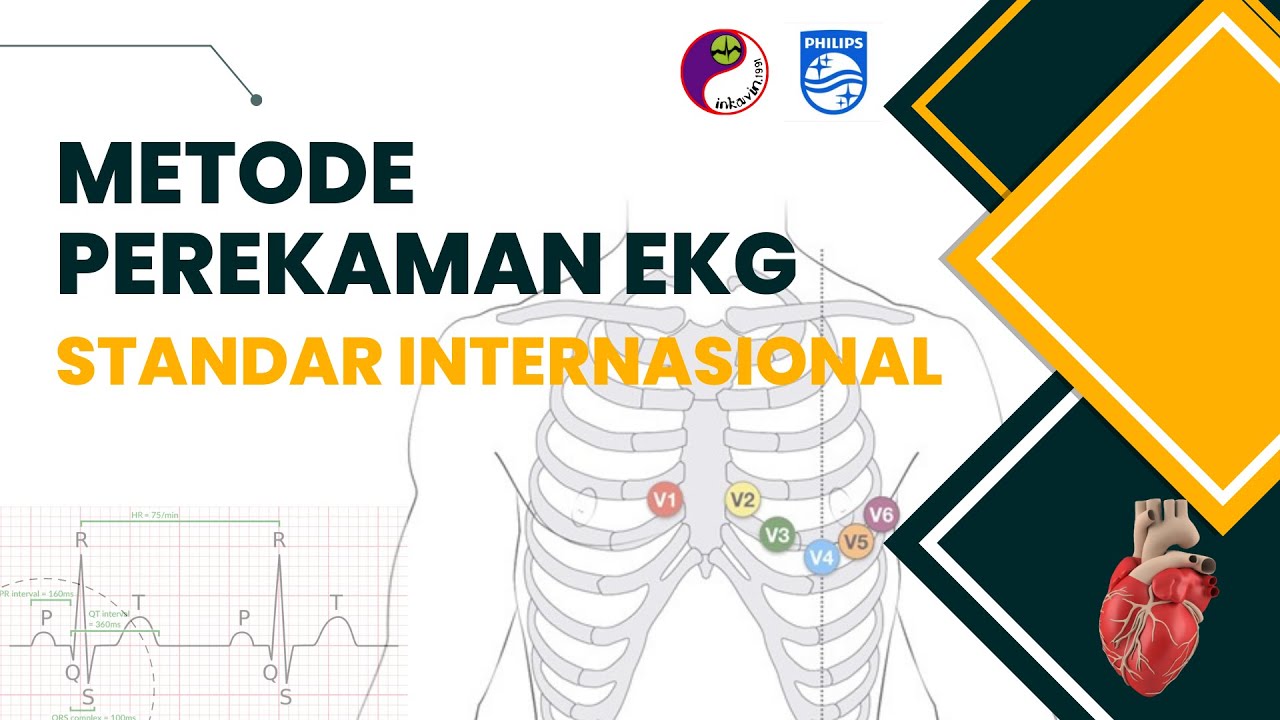
Metode Perekaman EKG Standar Internasional | ECG Recording Technique
5.0 / 5 (0 votes)

