Dilema Kepariwisataan: di antara Pilihan dan Keinginan
Summary
TLDRThe transcript discusses sustainable tourism in Indonesia, emphasizing the importance of integrating local communities, preserving cultural identity, and prioritizing domestic tourists alongside international visitors. It highlights challenges such as insufficient local workforce engagement, infrastructure limitations, and cultural perceptions that hinder regional development. Drawing lessons from the United States and China, the speaker illustrates how tourism can enhance personal growth, economic development, and national identity. Practical examples include Danau Toba, UNESCO heritage sites, and urban planning lessons from Champs-Élysées. The overarching message advocates tourism as a tool for community welfare, environmental stewardship, and the celebration of diversity, rather than merely a source of profit or foreign revenue.
Takeaways
- 😀 Tourism in Indonesia is about embracing diversity and fostering cooperation between locals and outside developers to ensure the growth of tourism with respect to local culture and resources.
- 😀 Tourism is not just an economic opportunity but also a vehicle for personal development, offering visitors a chance to learn and grow, as seen historically in European aristocratic travel.
- 😀 The importance of sustainable tourism is stressed, particularly focusing on local well-being and ensuring that tourism development benefits local communities and the environment, not just foreign revenue.
- 😀 There's a critique of Indonesia's current tourism development strategy, highlighting the prioritization of protected areas and UNESCO heritage sites, rather than focusing on more accessible destinations like cities that can handle large crowds.
- 😀 Tourism's contribution to GDP and national development is often overstated, with some critics noting that focusing too heavily on tourist numbers is a simplistic approach to economic growth.
- 😀 The mindset shift needed for tourism in Indonesia is to move beyond seeing tourists as mere sources of income, and to embrace the potential of domestic tourism for local economic growth.
- 😀 Local communities should not only serve tourists but also share in the benefits, as tourism can be a means to improve local livelihoods, increase access to resources, and preserve cultural heritage.
- 😀 A cultural perspective on the Batak people reveals that a traditional reluctance to work in tourism-related jobs at home stems from a mindset that equates 'service' with inferiority, something that needs to change.
- 😀 While foreign tourists bring significant revenue, local tourism (domestic) has a critical role in boosting local economies, especially in rural and remote areas where foreign tourism is limited.
- 😀 A comparison with the U.S. and China shows that fostering domestic tourism can help strengthen national identity by promoting local diversity and encouraging people to explore their own country's unique attributes.
Q & A
What is the key message regarding the relationship between tourism and local communities?
-The key message is that tourism must involve active collaboration with local communities to ensure that both the tourists and the locals benefit. Locals should not only serve as hosts but also enjoy the economic and social benefits that tourism brings.
How does the speaker view tourism as a social phenomenon?
-The speaker views tourism as more than just a commercial industry. It is a social phenomenon that fosters personal development and cultural exchange. Historically, tourism has been about learning, experiencing new cultures, and improving productivity, not just recreation.
What challenges does the speaker highlight regarding local attitudes toward tourism and service jobs?
-The speaker highlights a cultural reluctance in certain regions, such as among the Batak people, to view service jobs as respectable. This mindset prevents locals from embracing roles that cater to tourists, such as those in hospitality and tourism sectors.
How does the speaker suggest shifting local mindsets toward tourism and service industry jobs?
-The speaker suggests that local communities should be encouraged to embrace service roles by reframing the perception of these jobs. Changing the attitude from viewing such jobs as servitude to understanding them as important, respectable professions is key.
What does the speaker mean by tourism being part of a cultural process?
-Tourism as part of a cultural process means that tourists engage with the culture, history, and traditions of a place rather than simply seeking leisure. It involves learning about the country's heritage and experiencing cultural events or educational aspects, as seen with European nobles' historical travel.
What is the significance of balancing local needs with tourism development, according to the speaker?
-Balancing local needs with tourism development is crucial to ensure that tourism does not exploit or harm the environment or local communities. The speaker cites examples such as the transformation of the Champs-Élysées in Paris, where efforts were made to address pollution and prioritize local needs over tourist convenience.
How does the speaker compare tourism development in Indonesia to that of the U.S. and China?
-The speaker compares Indonesia's tourism development with the U.S. and China by highlighting the importance of fostering domestic tourism. In the U.S., domestic tourism was encouraged to boost national identity, while China focused on evolving policies to develop both international and domestic tourism to strengthen their economy.
What role does domestic tourism play in the broader context of tourism development?
-Domestic tourism plays a vital role in supporting the local economy and strengthening national identity. The speaker suggests that by promoting domestic tourism, countries can ensure that their citizens appreciate and understand their own heritage while also generating economic benefits.
Why does the speaker emphasize the need for a mindset shift among local communities regarding tourism?
-The speaker emphasizes this shift because local communities need to see the value in tourism and service-related jobs. By embracing roles that support tourism, locals can improve their livelihoods and contribute to the sustainable growth of the tourism industry.
What is the main lesson the speaker wants to impart regarding local community involvement in tourism?
-The main lesson is that tourism should not just benefit external tourists; local communities must be actively involved and receive fair compensation and respect for their contributions. The speaker advocates for better education, training, and mindset shifts to ensure locals see tourism as a growth opportunity.
Outlines

هذا القسم متوفر فقط للمشتركين. يرجى الترقية للوصول إلى هذه الميزة.
قم بالترقية الآنMindmap

هذا القسم متوفر فقط للمشتركين. يرجى الترقية للوصول إلى هذه الميزة.
قم بالترقية الآنKeywords

هذا القسم متوفر فقط للمشتركين. يرجى الترقية للوصول إلى هذه الميزة.
قم بالترقية الآنHighlights

هذا القسم متوفر فقط للمشتركين. يرجى الترقية للوصول إلى هذه الميزة.
قم بالترقية الآنTranscripts

هذا القسم متوفر فقط للمشتركين. يرجى الترقية للوصول إلى هذه الميزة.
قم بالترقية الآنتصفح المزيد من مقاطع الفيديو ذات الصلة

KAMI SUDAH BILANG 'NONSENSE'

Sustainable Thailand: Community-Based Tourism and Conservation

KEBOCORAN PARIWISATA, Myra P. Gunawan

Pariwisata menjadi Andalan Ekonomi Daerah
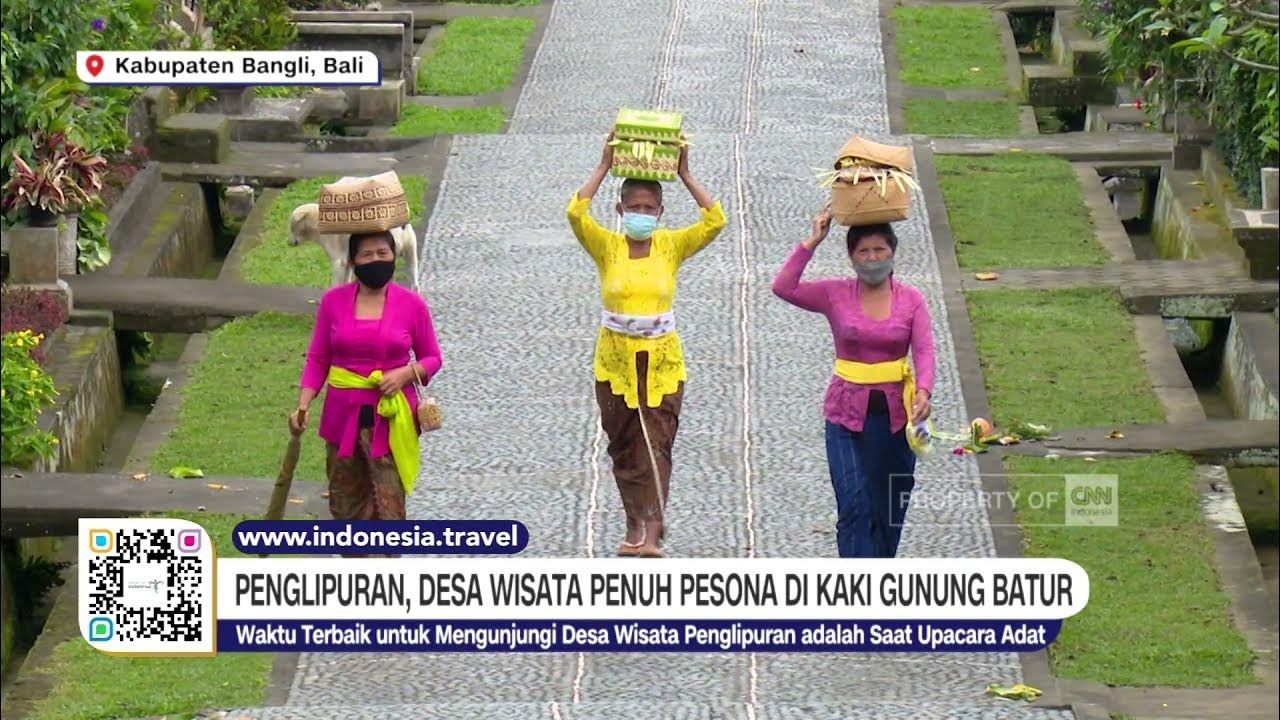
Penglipuran, Desa Wisata Penuh Pesona di Kaki Gunung Batur #DiIndonesiaAja

Stänkern, schimpfen, stehlen - Urlauber außer Rand und Band | BLICKWECHSEL. Das Nachrichtenmagazin
5.0 / 5 (0 votes)

