Filosofi Kue Apem #apem #philosophy #javanesetradition
Summary
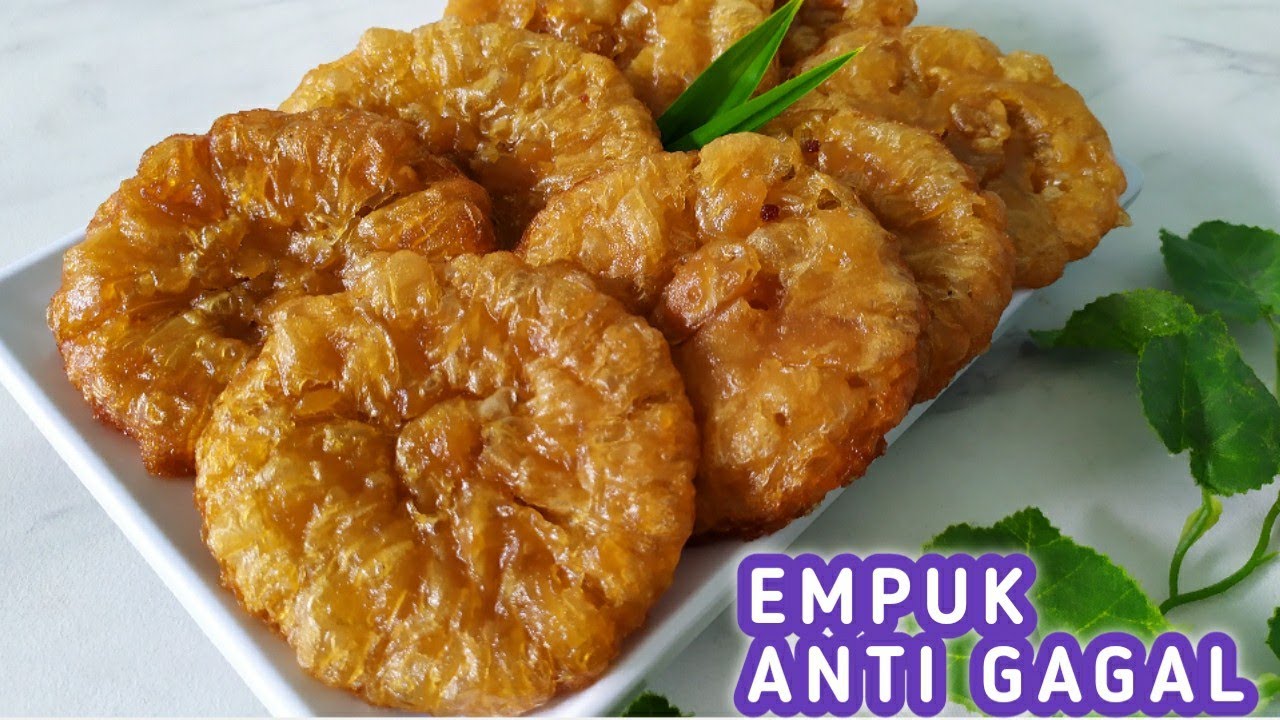
TLDRIn Javanese death commemorations, Kue Apem, a traditional cake, holds significant spiritual meaning. The name 'Apem' is derived from the Arabic word 'afuan,' meaning forgiveness. This cake is offered during ceremonies such as the seven-day, forty-day, hundred-day, and thousand-day anniversaries, as well as during the Ruwahan prayer. By offering Kue Apem, the Javanese seek forgiveness for the deceased's mistakes, asking for mercy from Allah SWT and others. This cultural practice highlights themes of repentance, grace, and spiritual reflection, serving as a symbolic gesture of asking for forgiveness.
Takeaways
- 😀 *Kue Apem* is a traditional Javanese cake included in death commemoration rituals.
- 😀 The cake is offered during significant milestones like the 7th, 40th, 100th, and 1000th day anniversaries of a person's death.
- 😀 *Kue Apem* is also used in the *ruwahan* ritual, which involves prayers for the soul of the deceased.
- 😀 The term 'Apem' is derived from the Arabic word *afuan*, meaning forgiveness or pardon.
- 😀 The inclusion of *Kue Apem* symbolizes asking for forgiveness for the deceased and from others.
- 😀 The ritual of offering *Kue Apem* serves as a way to seek God's forgiveness on behalf of the deceased.
- 😀 The cake is seen as a symbol of humility and respect in the context of the Javanese death commemorations.
- 😀 The act of giving *Kue Apem* is rooted in both cultural and religious significance in the Javanese community.
- 😀 The ritual of including *Kue Apem* is not just a food offering, but also a prayer for peace and redemption.
- 😀 This tradition highlights the importance of forgiveness and reconciliation in the Javanese culture surrounding death.
Q & A
Why is Kue Apem included in Javanese death commemoration rituals?
-Kue Apem is included as an obligatory blessing snack during Javanese death commemorations because it symbolizes the act of asking for forgiveness. The word 'Apem' is derived from the Arabic word 'afuan', which means 'sorry' or 'forgiveness'. It is a way of asking for forgiveness for the deceased from Allah SWT (God) and others.
What does the term 'Apem' mean in Javanese death rituals?
-'Apem' refers to the Arabic term 'afuan', 'afwan', 'affan', or 'affuwun', which translates to 'sorry' or 'forgiveness'. This term reflects the purpose of the cake, which is to symbolize the act of asking for forgiveness.
How often is Kue Apem used in Javanese death commemorations?
-Kue Apem is used during several key moments of death commemoration, such as the seven-day, forty-day, hundred-day, and thousand-day anniversaries of the deceased's passing, as well as during the Ruwahan (prayers for the soul).
What is the significance of Kue Apem during the seven-day death commemoration?
-The seven-day death commemoration, known as 'tahlilan', includes Kue Apem as a snack to symbolize asking for forgiveness for the deceased, reflecting the belief that the soul may need forgiveness for any mistakes made during their life.
What does the inclusion of Kue Apem in death rituals symbolize?
-The inclusion of Kue Apem symbolizes a request for forgiveness, not only from Allah SWT but also from people, for the mistakes or sins of the deceased.
Is Kue Apem used exclusively in death rituals?
-While Kue Apem is most prominently used in death rituals, it can also appear in other cultural or religious contexts in Javanese society where asking for forgiveness or blessings is part of the practice.
What is the cultural importance of the Kue Apem cake in Javanese society?
-Kue Apem holds cultural importance as a symbol of humility and repentance. It serves as a medium to foster unity, healing, and forgiveness among the living and the deceased, aligning with Islamic teachings of repentance and remembrance of the departed.
Why is Kue Apem offered to Allah SWT during death commemoration?
-Kue Apem is offered to Allah SWT as an expression of prayer and a request for forgiveness for the deceased. It is believed that this offering helps to purify the soul and earn Allah's mercy for the deceased.
What is Ruwahan and how does Kue Apem fit into it?
-Ruwahan is a Javanese tradition where prayers are offered for the souls of the deceased. Kue Apem is included in these rituals as part of the offerings, symbolizing the act of asking forgiveness for the deceased's past sins.
How does the Arabic word 'afuan' relate to the Javanese tradition of Kue Apem?
-'Afuan' is an Arabic term that translates to 'forgiveness' or 'sorry'. The word's meaning directly correlates with the purpose of Kue Apem in Javanese traditions, as it is seen as an offering to ask for forgiveness for the deceased from both God and the living.
Outlines

هذا القسم متوفر فقط للمشتركين. يرجى الترقية للوصول إلى هذه الميزة.
قم بالترقية الآنMindmap

هذا القسم متوفر فقط للمشتركين. يرجى الترقية للوصول إلى هذه الميزة.
قم بالترقية الآنKeywords

هذا القسم متوفر فقط للمشتركين. يرجى الترقية للوصول إلى هذه الميزة.
قم بالترقية الآنHighlights

هذا القسم متوفر فقط للمشتركين. يرجى الترقية للوصول إلى هذه الميزة.
قم بالترقية الآنTranscripts

هذا القسم متوفر فقط للمشتركين. يرجى الترقية للوصول إلى هذه الميزة.
قم بالترقية الآنتصفح المزيد من مقاطع الفيديو ذات الصلة




5.0 / 5 (0 votes)

