How Do Bees Make Honey? | COLOSSAL QUESTIONS
Summary
TLDRIn this episode of Colossal Questions, we learn how bees make honey. Worker bees collect nectar from flowers using their proboscis, storing it in a special stomach called a crop. Once back in the hive, they pass the nectar to younger bees who break it down further and store it in honeycomb cells. The bees then fan the nectar to reduce its water content until it becomes honey. This honey serves as food for the bees during winter when flowers are scarce. Despite a single bee only producing a small amount, a large colony can create hundreds of pounds of honey each year.
Takeaways
- 😀 Worker bees fly long distances to find flowers filled with nectar, which is the key ingredient for making honey.
- 😀 Bees use their long straw-like tongue (proboscis) to suck up nectar from flowers, much like drinking a slushy.
- 😀 The nectar is stored in the bee's special stomach called a crop, where it begins to mix with proteins to prevent it from hardening.
- 😀 Bees may visit hundreds of flowers in one flight, gradually filling their crops with nectar.
- 😀 When bees return to the hive, they pass the nectar to younger bees, who break it down further inside their bellies.
- 😀 The nectar is stored in hexagon-shaped honeycomb cells and is fanned with bee wings to help it dry out.
- 😀 The nectar turns into honey when its water content drops to between 14-18%, becoming thick and golden.
- 😀 Once the honey is made, bees seal the honeycomb with a wax lid to store it for later use.
- 😀 Bees make honey to store food for the winter months when flowers are scarce, ensuring they have enough food to survive.
- 😀 A single worker bee only produces about 1/12th of a teaspoon of honey in its lifetime, but colonies can have up to 60,000 bees working together.
- 😀 A large bee colony can collect nectar from tens of millions of flowers and produce hundreds of pounds of honey in a single year.
Q & A
What is the first step in the process of making honey?
-The first step is when adult worker bees fly out of their hive in search of flowers filled with nectar, which is the main ingredient needed to make honey.
How far do worker bees fly to find flowers?
-Depending on the time of year and the weather, worker bees may have to fly for miles before they find the right flowers.
What is the name of the bee's long tongue used to collect nectar?
-The bee uses a long straw-like tongue called a 'proboscis' to slurp the nectar from flowers.
Where do bees store the nectar after collecting it from flowers?
-Bees store the collected nectar in a special extra stomach called a 'crop' for safekeeping.
What happens to the nectar while the bee is flying back to the hive?
-During the flight home, the nectar mixes with special proteins in the crop that help keep it from hardening and prepare it to become honey.
What happens to the nectar once the bees return to the hive?
-Once back at the hive, the worker bees pass the nectar to younger bees, who further break it down inside their bellies before storing it in hexagon-shaped honeycomb cells.
How is the nectar turned into honey inside the hive?
-The nectar is dried out by the younger bees fanning it with their wings. Once the water content drops to between 14% and 18%, the nectar becomes thick and golden, turning into honey.
Why do bees store honey in the hive?
-Bees store honey to have a food reserve for the colder winter months when flowers are scarce, and there’s less nectar available.
How much honey can a single worker bee produce in its lifetime?
-A single worker bee can produce about 1/12 of a teaspoon of honey in its lifetime.
How do large bee colonies manage to produce large amounts of honey?
-In a colony of up to 60,000 bees, all the bees work together to visit tens of millions of flowers in a day and produce hundreds of pounds of honey in a year.
Outlines

هذا القسم متوفر فقط للمشتركين. يرجى الترقية للوصول إلى هذه الميزة.
قم بالترقية الآنMindmap

هذا القسم متوفر فقط للمشتركين. يرجى الترقية للوصول إلى هذه الميزة.
قم بالترقية الآنKeywords

هذا القسم متوفر فقط للمشتركين. يرجى الترقية للوصول إلى هذه الميزة.
قم بالترقية الآنHighlights

هذا القسم متوفر فقط للمشتركين. يرجى الترقية للوصول إلى هذه الميزة.
قم بالترقية الآنTranscripts

هذا القسم متوفر فقط للمشتركين. يرجى الترقية للوصول إلى هذه الميزة.
قم بالترقية الآنتصفح المزيد من مقاطع الفيديو ذات الصلة

Dangerous Bee Hive Exploration Adventure🥵- मधुमक्खियों ने किया खतरनाक हमला | Do Not Try
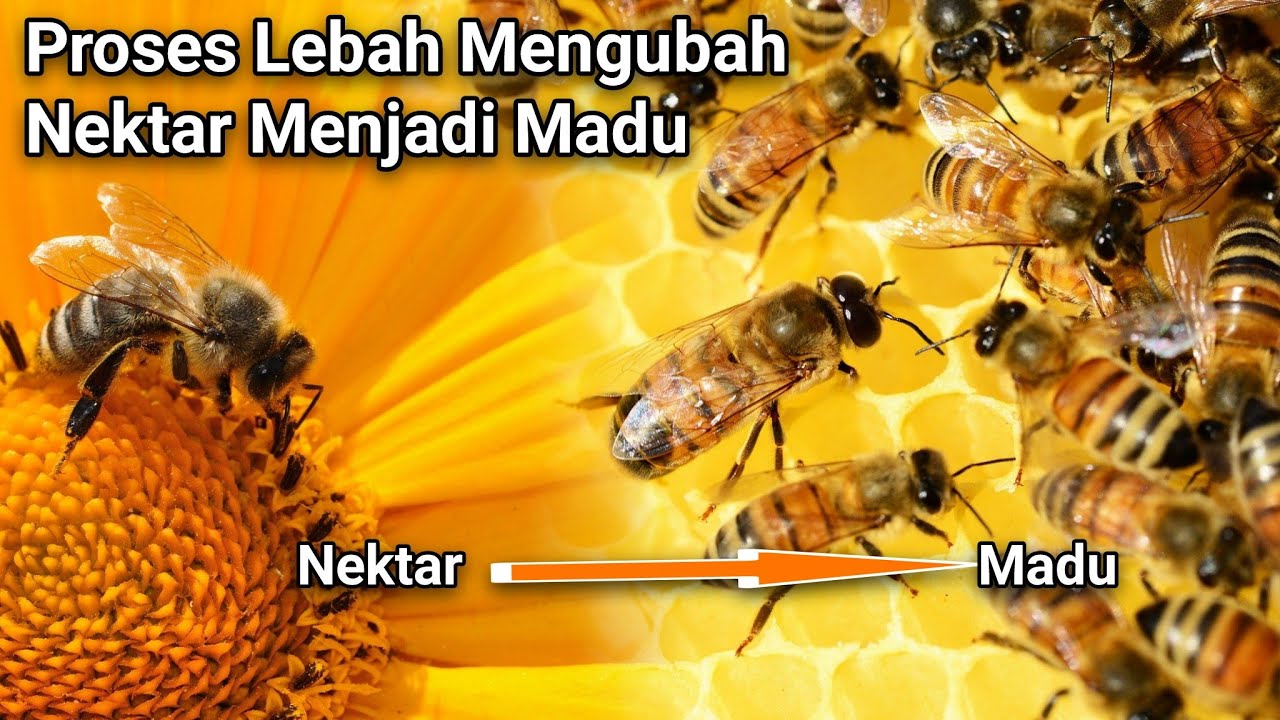
Inilah Proses Lebah Membuat Madu

Mastering Climbing Skills to Harvest Wild Honey from Dangerous Heights

Mengenal lebih dekat Lebah Trigona sp.

The Hidden Math Of Honeycombs 🐝

Why Do We Get Scared? | COLOSSAL QUESTIONS
5.0 / 5 (0 votes)

