Sejarah Perkembangan Alat Perekam Suara dari masa ke masa, Materi Kurikulum Merdeka kelas IX ESEMGA
Summary
TLDRThe history of sound recording traces its evolution from early inventions like the phonautograph and Edison’s phonograph to the digital age. The phonautograph, invented by Édouard-Léon Scott de Martinville, could only record sound but not play it back. Thomas Edison’s phonograph, however, introduced sound playback. Over time, innovations like the gramophone and magnetic tape led to more practical and high-quality recordings. By the 1990s, digital formats like MP3 and CDs revolutionized the music industry, while streaming platforms like Spotify and YouTube dominate today. In Indonesia, sound recording began with colonial-era vinyl records, evolved through the independence era, and continues to thrive with digital technology.
Takeaways
- 😀 The invention of sound recording technology has had a major impact on human life, especially in communication, arts, and entertainment.
- 😀 The first sound recording device, the phonotograph, was invented by Édouard-Léon Scott de Martinville, but it could only record sound, not play it back.
- 😀 Thomas Edison improved the technology with the phonograph, which could both record and play back sound, using a metal cylinder coated with tin.
- 😀 The gramophone, invented by Emil Berliner, replaced the phonograph's cylinder with a flat disc, becoming the standard for sound recording.
- 😀 Magnetic tape recording introduced more flexible and higher-quality sound recording, leading to widespread use in radio and music production.
- 😀 In the 1990s, vinyl records and cassette tapes became the main media for music, with cassette tapes gaining popularity due to their smaller size, affordability, and ease of use.
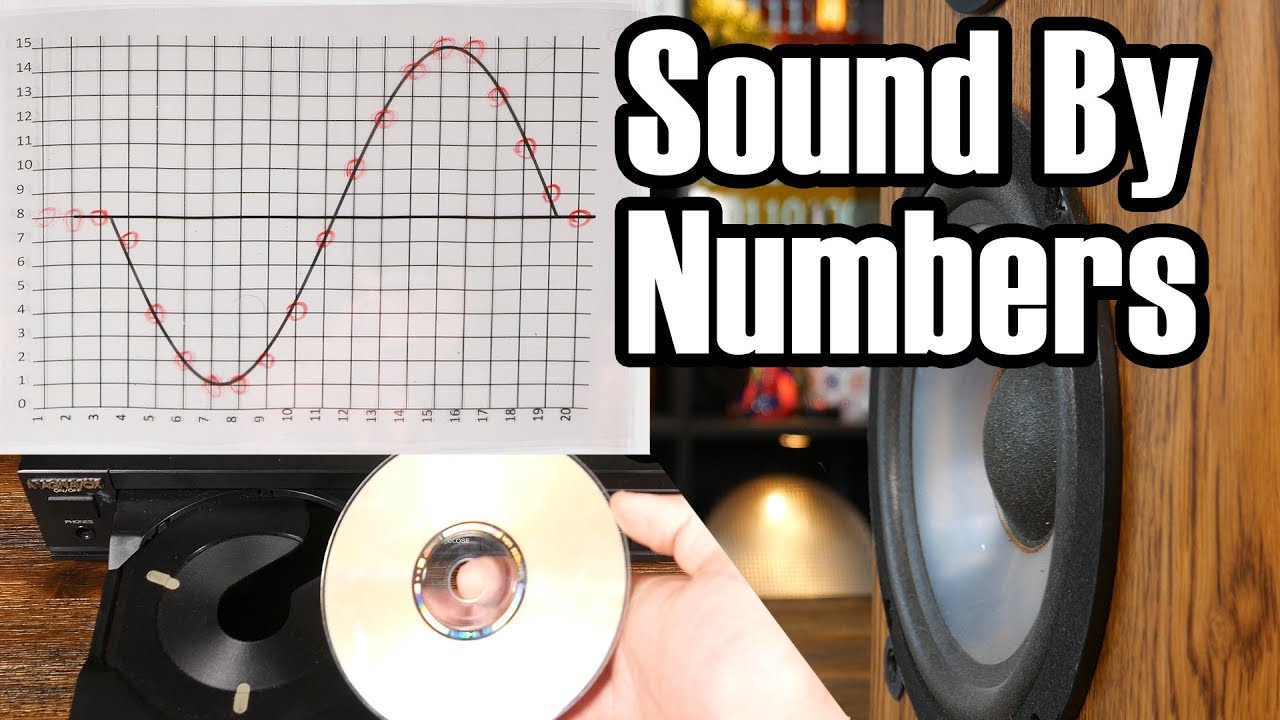
- 😀 The 1980s ushered in the era of digital recording with compact discs (CDs), which provided high-quality sound storage and playback.
- 😀 Digital formats like MP3 allowed for compressed audio data, making it easier to store and share music digitally over the internet.
- 😀 The introduction of sound recording to Indonesia in the early 20th century occurred during the Dutch colonial era, with records of traditional music like keroncong and gamelan being made.
- 😀 In the 1980s, Indonesian recording companies like Lokananta started to grow, and cassette tapes became a popular medium, while digital technology later shaped the music industry and led to the rise of streaming platforms like Spotify and YouTube.
Q & A
What was the first invention capable of recording sound?
-The first invention capable of recording sound was the phonautograph, created by Édouard-Léon Scott de Martinville. It could record sound in the form of vibrations on a carbon-coated glass surface, but it could not play the recorded sound back.
How did Thomas Edison improve the sound recording technology?
-Thomas Edison developed the phonograph, the first device that could both record and playback sound. It used a tin-coated metal cylinder as the medium for sound storage, marking a significant advancement in sound recording technology.
Who invented the gramophone and how did it change sound recording?
-Emil Berliner invented the gramophone, which replaced the cylindrical storage medium with flat discs, making the technology more practical and eventually setting the standard for sound recording.
What role did magnetic tape play in the development of sound recording?
-Magnetic tape allowed for more flexible and higher-quality sound recordings. It became widely used in radio and music, enabling easier manipulation of sound for various media.
How did vinyl records and cassette tapes influence music distribution?
-In the 1990s, vinyl records became the primary medium for music, but cassette tapes gained popularity due to their smaller size, lower cost, and ease of use. This made music more accessible to a wider audience.
What was the significance of CDs and digital recording in the 1980s?
-The 1980s saw the introduction of digital recording with the Compact Disc (CD), offering high-quality sound storage and playback. This marked a shift away from analog media like cassette tapes, paving the way for digital music formats.
What is MP3 and how did it change music consumption?
-MP3 is a digital audio format that allows for data compression, making it easier to store and share audio files. It revolutionized music consumption by enabling digital sharing over the internet.
When did sound recordings first arrive in Indonesia, and what was their purpose?
-Sound recordings first arrived in Indonesia during the Dutch colonial era, with vinyl records being used to capture traditional music such as keroncong and gamelan. These recordings also served as a means of documenting Indonesian culture.
How did sound recordings contribute to Indonesia's independence movement?
-During Indonesia's independence movement, sound recordings became powerful propaganda tools. Songs of struggle and speeches by leaders like Sukarno were recorded, helping to spread the message of independence.
How did the Indonesian music industry evolve in the 1980s?
-In the 1980s, the Indonesian music industry saw the rise of local recording companies like Lokananta, established in 1956. Cassette tapes became popular, and local companies played a key role in promoting Indonesian music and artists.
Outlines

هذا القسم متوفر فقط للمشتركين. يرجى الترقية للوصول إلى هذه الميزة.
قم بالترقية الآنMindmap

هذا القسم متوفر فقط للمشتركين. يرجى الترقية للوصول إلى هذه الميزة.
قم بالترقية الآنKeywords

هذا القسم متوفر فقط للمشتركين. يرجى الترقية للوصول إلى هذه الميزة.
قم بالترقية الآنHighlights

هذا القسم متوفر فقط للمشتركين. يرجى الترقية للوصول إلى هذه الميزة.
قم بالترقية الآنTranscripts

هذا القسم متوفر فقط للمشتركين. يرجى الترقية للوصول إلى هذه الميزة.
قم بالترقية الآنتصفح المزيد من مقاطع الفيديو ذات الصلة

The History Of Audio Recording
LA HISTORIA DEL AUDIO (La industria de la Grabación)
Thomas Edison: A história de motivação do inventor da lâmpada e grande visionário
Sound By Numbers: The Rise of Digital Sound

SEJARAH FOTOGRAFI (KELAS ONLINE XI DKV)
From Phonographs to Spotify: A Brief History of the Music Industry
5.0 / 5 (0 votes)

