Why Does The Witcher 3: Wild Hunt Environment Art Look Like This?
Summary
TLDRThis video breaks down the impressive environment art in *The Witcher 3*, focusing on the technical aspects behind its design. Key points include the use of buffer zones to ensure smooth terrain interaction, organic wireframe structures for better visual flow, and modular kit design for efficient environment building. The video also explores techniques like triangulation, the use of separate meshes for rooftops, and the strategic placement of alpha planes for added damage detail. With these insights, the video reveals the clever methods that help *The Witcher 3*'s world stand the test of time.
Takeaways
- 😀 The video features a combination of parkour and B-roll footage, with a humorous commentary on challenges encountered during filming, such as an unexpected goblin fight.
- 😀 The video focuses on The Witcher 3’s environment art, particularly the clever use of shader blending and the importance of buffer zones in the design of modular buildings.
- 😀 The Witcher 3’s modular architecture uses buffer zones at the base of buildings to prevent gaps, ensuring the assets adapt seamlessly to uneven terrain or movement.
- 😀 The topology used in The Witcher 3’s environment art is more organic compared to other games, like The Last of Us, with vertex points designed to blend rather than follow strict straight lines.
- 😀 Triangulation (trifanning) is commonly used in environment modeling, even though there’s some misunderstanding about its effectiveness. It can optimize mesh density and improve silhouette details.
- 😀 The Witcher 3’s use of floating decal planes to add damage and detail to architecture is an effective technique for realism, where sculpted damage is baked into alpha masks.
- 😀 The video emphasizes the importance of flexible geometry in environment art, recommending that artists work with multiple pieces instead of always merging everything into a single mesh.
- 😀 Roof tiles and other small architectural elements are now modeled as separate meshes, moving away from flat textures used in the past, which allows for greater detail and depth.
- 😀 The importance of creating complex, organic models, like those seen in ruined structures, is highlighted, with the suggestion that texture mapping be done first to guide the geometry of the model.
- 😀 The use of modular kits and separate geometry pieces simplifies workflow in game development, ensuring flexibility and easier updates or changes to the environment.
- 😀 The core principles of environment modeling remain the same, even though modern techniques and tools allow for more detail. The video draws attention to the evolution of polygon use and art direction in game environments.
Q & A
Why does the video emphasize the use of buffer zones in building design?
-The buffer zones are used to ensure that buildings remain flush with the terrain, even in uneven environments. This clever approach prevents gaps from appearing underneath buildings, especially when the terrain shifts, and ensures that the architecture looks consistent no matter the ground's variation.
What is the main difference between the wireframes in *The Witcher 3* and *The Last of Us*?
-In *The Witcher 3*, the wireframes have an organic, fluid design, with vertex points adjusted to create smoother transitions and a more natural look. In contrast, *The Last of Us* features more rigid, mathematical wireframes with straight lines and predictable patterns.
What does the use of triangulation in wireframes accomplish?
-Triangulation helps manage the flow of polygons, especially in areas with complex shapes or curves. By using triangles, the geometry becomes more flexible and easier to manipulate, allowing for better detailing without overwhelming the model with unnecessary complexity.
How does modularity play a role in environment design in *The Witcher 3*?
-Modularity allows for the efficient assembly of complex structures using separate pieces of geometry. This approach makes it easier to reuse assets, such as arches, walls, or roof tiles, and allows the game’s designers to quickly build and tweak environments while maintaining a high level of detail and consistency.
Why are roof tiles modeled as individual meshes rather than using flat textures?
-Modeling each roof tile as an individual mesh adds depth and sharpness to the texture, especially when viewed from different angles. This approach ensures that the texture doesn’t appear blurry, particularly at a 45° angle, giving the roofs a more realistic, detailed appearance.
What is the benefit of keeping separate meshes for different parts of a building, such as arches?
-Keeping parts like arches as separate meshes allows for easier manipulation and modification of geometry. It also provides flexibility in design, ensuring that designers don’t need to merge everything into a single, complex mesh, which can be time-consuming and harder to manage.
What role do damage details, such as floating decals, play in the design of environments?
-Damage details, like floating decals and modeled-in damage, help create a more realistic, lived-in look. These elements add depth to the scene, making structures appear worn and aged, which contributes to the overall immersion of the player in the environment.
What can we learn from the use of triangulation in *The Witcher 3* that challenges common advice about triangles in game meshes?
-The common advice against using triangles is often based on the idea that they can create inefficient geometry. However, in *The Witcher 3*, triangulation is used strategically to optimize the flow of polygons, particularly in complex shapes, and it demonstrates that triangles can be used effectively in game meshes when applied thoughtfully.
How does the concept of 'texture first' influence the modeling of ruined environments?
-In ruined environments, starting with the texture allows designers to model around the existing details of the texture, ensuring that the geometry fits the visual style. This approach simplifies the process of modeling chaotic and irregular shapes, as designers can cut and adjust geometry based on the pre-mapped texture.
Why is it important to focus on rooftops in environment modeling, and what does the video suggest about them?
-Rooftops deserve extra attention because they play a significant role in the overall aesthetic of the environment. The video highlights how each tile should be a separate mesh, adding texture detail and depth. It emphasizes that well-modeled rooftops, with their unique characteristics, enhance the visual richness and realism of the game world.
Outlines

هذا القسم متوفر فقط للمشتركين. يرجى الترقية للوصول إلى هذه الميزة.
قم بالترقية الآنMindmap

هذا القسم متوفر فقط للمشتركين. يرجى الترقية للوصول إلى هذه الميزة.
قم بالترقية الآنKeywords

هذا القسم متوفر فقط للمشتركين. يرجى الترقية للوصول إلى هذه الميزة.
قم بالترقية الآنHighlights

هذا القسم متوفر فقط للمشتركين. يرجى الترقية للوصول إلى هذه الميزة.
قم بالترقية الآنTranscripts

هذا القسم متوفر فقط للمشتركين. يرجى الترقية للوصول إلى هذه الميزة.
قم بالترقية الآنتصفح المزيد من مقاطع الفيديو ذات الصلة

So You Want to Be a MECHATRONICS ENGINEER | Inside Mechatronics Engineering

Pembelajaran seni tari

Why There are so Many Hollow Knight Clones
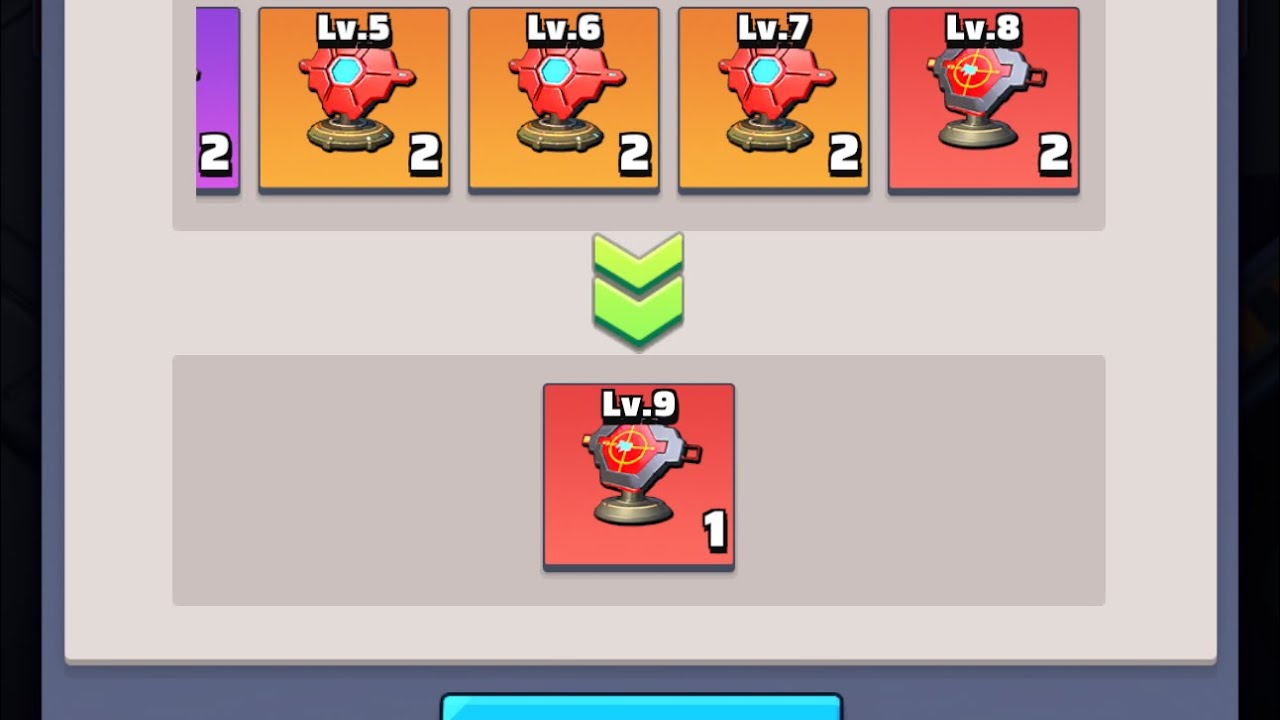
Last War:Let’s do the math on drone components. This is probably the most important part of the game

TETRAEDRO REGULAR (AULA 10/16)

Why Do We Replay our Favorite Video Games? - A Video Essay
5.0 / 5 (0 votes)

