Plant Growth Regulators
Summary
TLDRThis video explores the vital role of plant growth regulators (PGRs) in agriculture and plant development. It covers six major classes of plant hormones: auxins, gibberellins, cytokinins, abscisic acid, ethylene, and brassinosteroids, detailing their discovery, physiological functions, and agricultural applications. From seed germination to fruit ripening, PGRs influence key plant processes like cell growth, phototropism, and stress responses. The video highlights their increasing use in agriculture for improving yields, controlling weeds, and enhancing plant resistance to stress, demonstrating the intersection of basic plant science and practical applications in farming.
Takeaways
- 😀 Plant hormones play a crucial role in regulating growth and development throughout the entire plant life cycle, from seed germination to senescence and death.
- 😀 The six major classes of plant hormones are auxins, gibberellins, cytokinins, abscisic acid (ABA), ethylene, and brassinosteroids, each influencing specific plant processes.
- 😀 Auxins were the first plant hormones discovered and are involved in processes such as cellular elongation, root initiation, and phototropism.
- 😀 The difference between plant hormones and plant growth regulators is that all hormones are growth regulators, but not all growth regulators are hormones (some are synthetic).
- 😀 Gibberellins, first identified in rice plants, regulate stem growth, seed germination, dormancy, and fruit growth, including the process of parthenocarpy (fruit without fertilization).
- 😀 Cytokinins, discovered in herring sperm DNA, promote cell division and lateral bud growth, delay senescence, and stimulate callus formation in tissue cultures.
- 😀 Abscisic acid (ABA) is a stress hormone that helps plants respond to water shortages by promoting stomatal closure and regulating dormancy and seed germination.
- 😀 Ethylene is the only gaseous plant hormone, known for regulating fruit ripening, seedling growth, senescence, and abscission (detachment of plant parts).
- 😀 Brassinosteroids, the newest class of hormones, play a significant role in stem elongation, stress resistance, and crop yields, and have potential use as insecticides.
- 😀 Plant growth regulators, both natural and synthetic, are widely used in agriculture to manipulate plant growth, improve yields, and control plant development.
- 😀 Understanding the role of each plant hormone allows for better agricultural practices, including the regulation of flowering, fruit growth, and response to environmental stressors.
Q & A
What are plant hormones, and why are they important for plant growth?
-Plant hormones are naturally occurring chemicals that regulate various aspects of plant growth and development. They play a crucial role in processes such as seed germination, root development, flower initiation, and plant responses to light and gravity. Without growth-regulating substances like hormones, plants wouldn't be able to grow or adapt effectively to their environment.
What is the difference between a plant hormone and a plant growth regulator?
-All plant hormones are plant growth regulators, but not all plant growth regulators are plant hormones. Plant hormones are naturally occurring, while plant growth regulators can be both naturally occurring and synthetic. Therefore, plant growth regulators may not always fit into the plant hormone category.
What role do auxins play in plant growth?
-Auxins are involved in numerous physiological processes in plants, including cellular elongation, phototropism (response to light), gravitropism (response to gravity), apical dominance, root initiation, and fruit growth. They promote dramatic cell elongation in detached plant parts and are key to many growth responses.
How do auxins influence phototropism?
-Auxins influence phototropism by accumulating on the shaded side of a plant organ, such as the coleoptile. This accumulation accelerates growth on the shaded side, leading to bending toward the light. This process helps plants optimize light exposure for photosynthesis.
What is gravitropism, and how do auxins contribute to it?
-Gravitropism is the movement of plant organs in response to gravity. Auxins play a central role by accumulating on the lower side of stems and roots, promoting differential growth. This causes the stem to bend upward (negative gravitropism) and the roots to bend downward (positive gravitropism), allowing the plant to orient itself correctly.
How are auxins used in agriculture?
-Auxins are widely used in agriculture to promote root initiation, inhibit root elongation, and regulate plant growth. They are especially important in the commercial production of adventitious roots, such as in cuttings, and in controlling weeds by using synthetic auxins like 2,4-D.
What are gibberellins, and what are their key functions in plants?
-Gibberellins are plant hormones responsible for promoting stem elongation, seed germination, flowering, and fruit growth. They are also involved in overcoming genetic limitations in dwarf plants, stimulating flower initiation, and even promoting seed germination under light conditions.
How do gibberellins affect fruit growth?
-Gibberellins promote fruit growth by stimulating cell elongation and increasing fruit size. For example, when applied to grapevines, gibberellins can elongate the grape bunch and enlarge the individual berries. This effect can also be seen in apples, where the fruit becomes more appealing in shape.
What role do cytokinins play in plant growth?
-Cytokinins promote cell division and are essential for processes such as organ formation, lateral bud break, and the prevention of senescence (aging) in plants. They are also used in tissue culture to encourage the growth of callus and the regeneration of plants.
How does ethylene influence plant growth?
-Ethylene is a gaseous plant hormone involved in various processes, including seedling growth, fruit ripening, and senescence. It is responsible for the 'triple response' in seedlings, which includes inhibition of elongation, promotion of lateral expansion, and horizontal growth. Ethylene also regulates abscission, where plant parts such as leaves and fruits are shed.
What is the significance of brassinosteroids in plant growth?
-Brassinosteroids (BRs) are plant hormones that regulate almost every aspect of plant growth and development, including stem elongation, germination, fruit development, and stress responses. They play a role in enhancing crop yields, resistance to biotic and abiotic stresses, and are also potential candidates for use in plant tissue culture and insecticides.
What is the historical importance of the discovery of auxins?
-Auxins were the first class of plant hormones discovered more than 80 years ago, primarily found in human urine. Their discovery has significantly advanced the field of plant biology, leading to the identification of other plant hormones and the development of practical applications in agriculture, such as improving crop yield and regulating plant growth.
Outlines

هذا القسم متوفر فقط للمشتركين. يرجى الترقية للوصول إلى هذه الميزة.
قم بالترقية الآنMindmap

هذا القسم متوفر فقط للمشتركين. يرجى الترقية للوصول إلى هذه الميزة.
قم بالترقية الآنKeywords

هذا القسم متوفر فقط للمشتركين. يرجى الترقية للوصول إلى هذه الميزة.
قم بالترقية الآنHighlights

هذا القسم متوفر فقط للمشتركين. يرجى الترقية للوصول إلى هذه الميزة.
قم بالترقية الآنTranscripts

هذا القسم متوفر فقط للمشتركين. يرجى الترقية للوصول إلى هذه الميزة.
قم بالترقية الآنتصفح المزيد من مقاطع الفيديو ذات الصلة

Role of Plant growth regulators (PGRs) in plant growth and development.

FITOHORMON 2
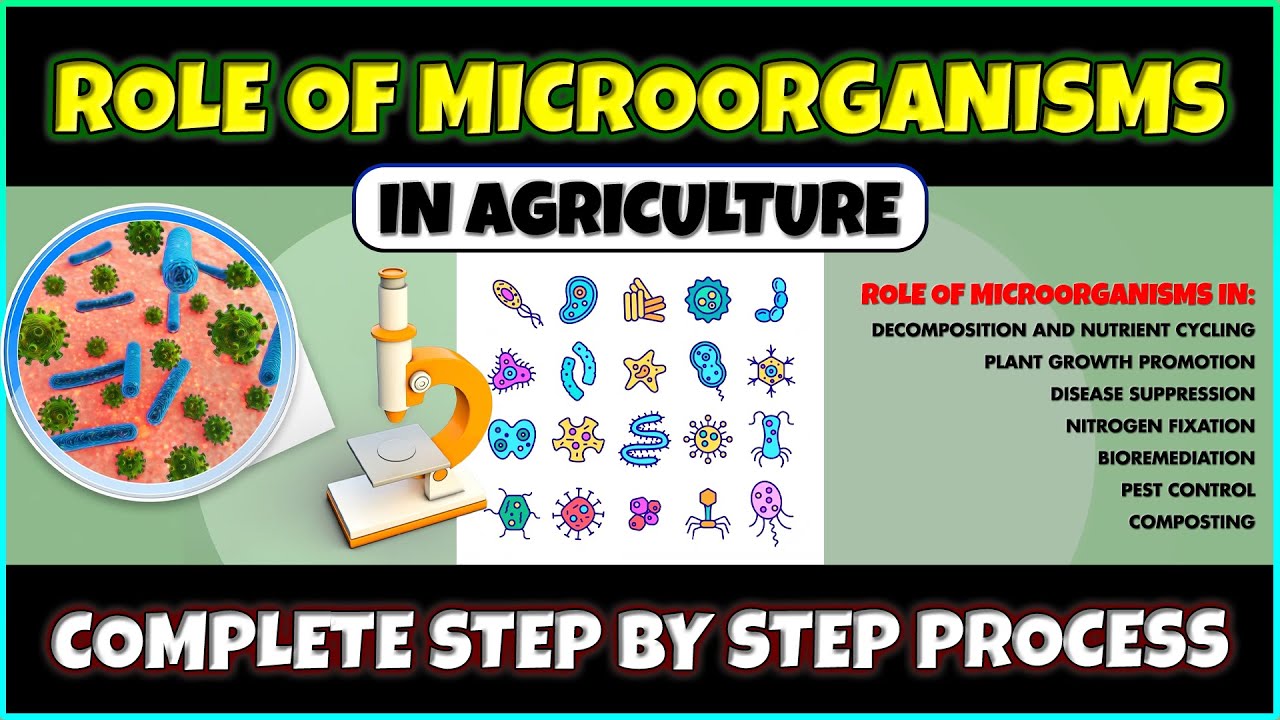
Importance of Microorganisms in Agriculture | Nitrogen Fixation, Pest Control, Plant Growth

Auxinas (Hormônios Vegetais) - Fisiologia Vegetal - Aula 27: Botânica (Prof. Guilherme)

Various types of tissue culture

Pertumbuhan dan perkembangan pada tumbuhan part 2 - Biologi kelas 12 SMA
5.0 / 5 (0 votes)

