Cybersecurity Career Paths: Which One Is Right for You?
Summary
TLDRThis video provides a clear and engaging overview of the cybersecurity field, breaking down its diverse domains to help viewers identify their areas of interest. The host, a digital forensics and incident response professional, explains key domains such as risk assessments, governance, threat intelligence, user education, security operations, security architecture, and physical security. Using relatable analogies like defending a castle, the video highlights each domain's role in protecting organizations from threats. Viewers gain insights into both technical and human-centric aspects of cybersecurity, while also receiving guidance on potential career paths and the importance of certifications and practical experience.
Takeaways
- 😀 Cyber security is a broad field, and understanding its different areas can help you determine your specific interest within the industry.
- 😀 The speaker specializes in Digital Forensics and Incident Response (DFIR), which focuses on identifying how attackers breach systems and analyzing digital evidence.
- 😀 Cyber security involves various domains like risk assessments, governance, threat intelligence, user education, security operations, security architecture, and physical security.
- 😀 Risk assessments focus on identifying vulnerabilities in software and hardware within an organization to minimize potential security risks.
- 😀 Governance in cyber security is about enforcing standards, creating policies, and ensuring organizations follow best practices for security.
- 😀 Threat intelligence (or threat intel) involves tracking sophisticated cyber threats, such as nation-state actors, and connecting the dots to prevent future attacks.
- 😀 User education is crucial, as it raises awareness about security practices (e.g., multi-factor authentication) and educates the public on the importance of security.
- 😀 Security operations (blue teaming) involve defending systems from attackers, detecting intrusions, and responding to threats to enhance security posture.
- 😀 Digital Forensics and Incident Response (DFIR) is about tracing how attackers infiltrated systems and identifying the root cause to prevent future breaches.
- 😀 Security architecture focuses on designing and configuring secure systems, networks, and cloud environments to protect against potential threats.
- 😀 Physical security ensures that tangible assets like equipment and facilities are protected, preventing unauthorized access or sabotage.
- 😀 The speaker uses the analogy of building a castle to explain how different domains of cyber security work together to defend an organization against attacks.
Q & A
What is the speaker's area of specialization in cybersecurity?
-The speaker specializes in Digital Forensics and Incident Response (DFIR), which involves investigating security incidents and identifying how attackers gained access.
Why does the speaker say the answer to 'how to get into cybersecurity' depends?
-Because cybersecurity is a broad field with multiple domains, and the path depends on which area of interest aligns with the individual's skills and goals.
What is the main role of risk assessment in cybersecurity?
-Risk assessment focuses on identifying potential vulnerabilities in an organization's software and hardware, helping to understand and mitigate risks before they are exploited.
What does the governance domain in cybersecurity involve?
-Governance involves creating, enforcing, and monitoring policies and procedures to ensure organizations follow best practices and standards.
What is threat intelligence, and why is it important?
-Threat intelligence involves collecting and analyzing information about cyber threats and attackers to predict, prevent, or respond to attacks effectively. It is crucial for proactive defense against sophisticated attackers.
Why does the speaker consider user education an important domain?
-User education is vital because humans are often the weakest link in security. Educating users about safe practices, like enabling multi-factor authentication, helps reduce security risks.
What does a security operations team do?
-Security operations (Blue Team) defends systems against attacks, detects intrusions, responds to security incidents, and investigates the methods attackers use to improve defenses.
What is the focus of security architecture in cybersecurity?
-Security architecture involves designing secure systems and networks, configuring environments with security in mind, and ensuring infrastructure is resilient against attacks.
What is the role of physical security in an organization?
-Physical security protects people, equipment, facilities, and resources from physical threats like unauthorized access, theft, or sabotage, complementing digital security measures.
How does the speaker use the castle analogy to explain cybersecurity domains?
-The castle analogy illustrates each domain's role: security architecture builds the castle, physical security protects it, risk assessment identifies vulnerabilities, governance enforces rules, threat intelligence monitors threats, user education trains defenders, and security operations responds to intrusions.
What kind of future content does the speaker plan to create?
-The speaker plans to create videos focused on DFIR, including hands-on labs, Capture the Flag (CTF) scenarios, and exploring new cybersecurity tools.
Outlines

此内容仅限付费用户访问。 请升级后访问。
立即升级Mindmap

此内容仅限付费用户访问。 请升级后访问。
立即升级Keywords

此内容仅限付费用户访问。 请升级后访问。
立即升级Highlights

此内容仅限付费用户访问。 请升级后访问。
立即升级Transcripts

此内容仅限付费用户访问。 请升级后访问。
立即升级浏览更多相关视频

How to Get into CyberSecurity | Step by Step Roadmap (2024)

O que é ANTROPOLOGIA? - Antropológica
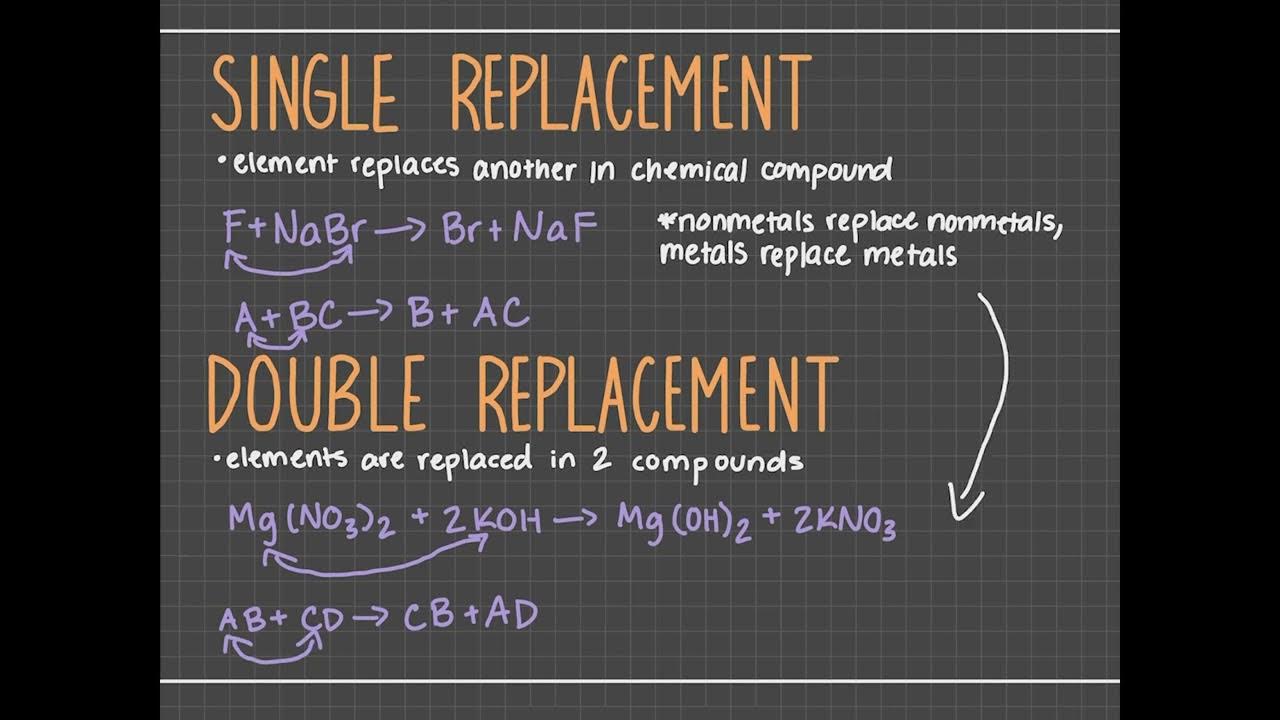
How to Identify Types of Chemical Reactions

The Top 15 Network Protocols and Ports Explained // FTP, SSH, DNS, DHCP, HTTP, SMTP, TCP/IP

Beginner Roadmap to Break into Cybersecurity | Step-by-Step Guide

Operações com Conjuntos | União, Interseção, Diferença e Complementar.
5.0 / 5 (0 votes)

