How Indonesia Crushed Dutch Colonizers
Summary
TLDRThis video traces Indonesia’s turbulent journey to independence, beginning with Dutch colonial rule and the rise of nationalist leaders like Sukarno. It explores the Japanese occupation during World War II, the declaration of independence in 1945, and the ensuing conflicts with Dutch and British forces. Despite repeated ceasefires, negotiations, and international pressure, fighting continued until 1949. The documentary highlights the roles of global powers, the United Nations, and regional allies in mediating peace. Ultimately, after years of military and diplomatic struggle, Indonesia secured its sovereignty, marking a pivotal moment in the nation’s history and reshaping postcolonial Southeast Asia.
Takeaways
- 🌏 Dutch colonizers ruled all of Indonesia as the Dutch East Indies for centuries.
- 💡 In 1927, Sukarno and college friends founded the Indonesian National Party, advocating independence and opposing imperialism and capitalism.
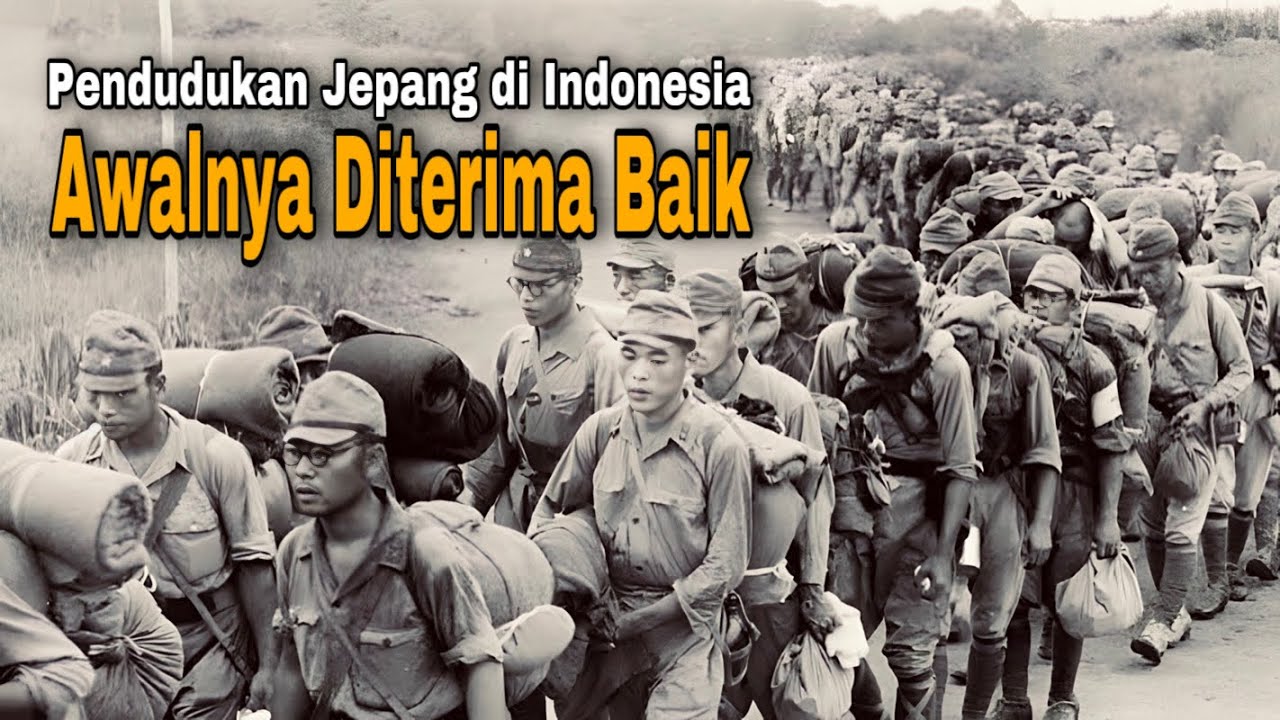
- ⚔️ During World War II, Japan quickly invaded the Dutch East Indies, initially welcomed but later causing widespread suffering and over 4 million deaths.
- 🎓 Japanese occupation unintentionally prepared Indonesian nationalists by training, arming, and educating them.
- 📅 On August 17, 1945, Sukarno and Hatta proclaimed Indonesia's independence from the Netherlands.
- 🪖 Following the Japanese surrender, the Dutch tried to reassert control, offering autonomy which Indonesia rejected, leading to armed conflict.
- 💥 The Indonesian National Revolution involved multiple conflict phases, including fighting in Java and Sumatra with significant casualties and displacement.
- 🤝 Initial peace talks were complicated, with the Dutch and Indonesians disagreeing on interpretation and implementation of agreements.
- 🌐 International pressure, including from the UN and the United States, eventually forced the Netherlands to negotiate seriously.
- 🏛️ On December 27, 1949, after prolonged conflict and negotiation, Indonesia finally gained full independence recognized internationally.
Q & A
Who was Sukarno and what role did he play in Indonesia's independence?
-Sukarno was an Indonesian statesman who co-founded the Indonesian National Party in 1927. He advocated for independence and opposed imperialism and capitalism. He later became the first President of Indonesia and, along with Mohammed Hatta, proclaimed Indonesia's independence in 1945.
Why did the Japanese initially gain support in Indonesia during World War II?
-The Japanese were initially welcomed as liberators from Dutch colonial rule. However, this support faded because the Japanese imposed forced labor, widespread hunger, and caused the deaths of over 4 million people.
What were the consequences of Japanese occupation for Indonesian nationalists?
-Despite its harsh policies, the Japanese trained, armed, and educated Indonesian nationalists, which inadvertently prepared them for the struggle for independence after Japan's surrender.
When did Indonesia declare independence, and who were the key figures?
-Indonesia declared independence on August 17, 1945. The key figures were Achmed Sukarno and Mohammed Hatta, who established the Republic of Indonesia.
How did the Netherlands respond to Indonesia’s declaration of independence?
-The Netherlands sent troops to Indonesia and refused to negotiate with independence leaders. Instead, they offered autonomy within the Kingdom of the Netherlands, which Sukarno and Hatta rejected, leading to armed conflict.
What were the main phases of conflict during the Indonesian National Revolution?
-The conflict had multiple phases: initial clashes with Dutch and British troops starting in October 1945, a ceasefire a year later, renewed fighting in early 1947, and intensified Dutch military advances by 1949 until independence was recognized.
What was the United States of Indonesia, and why was it significant?
-The United States of Indonesia was a political formation that included the Republic of Indonesia and the island of Borneo, created during negotiations with the Dutch. Its meaning and legitimacy were disputed, but it represented an early attempt at unification under Indonesian sovereignty.
How did international pressure influence the Dutch decision-making during the conflict?
-International pressure, including condemnation from the League of Arab Nations, ceasefire orders from the UN Security Council, and the withdrawal of U.S. support, weakened the Dutch position and forced them to negotiate Indonesian independence.
What was the Van Mook Line, and what role did it play in the conflict?
-The Van Mook Line was a ceasefire boundary agreed upon during peace talks aboard the USS Renville in 1948. It marked areas under Dutch control while negotiations continued, but Dutch violations of the line led to renewed fighting.
When did Indonesia finally gain full recognition of its independence?
-Indonesia gained formal recognition of its independence on December 27, 1949, following negotiations mediated by the United Nations.
What challenges remained even after the Dutch recognized Indonesia's independence?
-Despite the recognition, the status of New Guinea and several other islands remained unresolved, and there were fundamental differences between the Dutch and Indonesians regarding the interpretation and implementation of the agreements.
How did the Indonesian National Revolution impact the broader anti-colonial movement?
-The Indonesian struggle demonstrated that sustained nationalist resistance, combined with international pressure, could overcome colonial powers, inspiring other anti-colonial movements in Asia and Africa in the mid-20th century.
Outlines

此内容仅限付费用户访问。 请升级后访问。
立即升级Mindmap

此内容仅限付费用户访问。 请升级后访问。
立即升级Keywords

此内容仅限付费用户访问。 请升级后访问。
立即升级Highlights

此内容仅限付费用户访问。 请升级后访问。
立即升级Transcripts

此内容仅限付费用户访问。 请升级后访问。
立即升级浏览更多相关视频
Pendudukan Jepang di Indonesia | Sesuai Ramalan Jayabaya
Perjuangan Bangsa Indonesia dalam Melawan Imperialisme | IPAS SD
Perkembangan Organisasi Pergerakan di Indonesia pada Masa Penjajahan - IPS Kelas 8 - S Penggerak

tugas kelompok 4 sejarah wajib
Pergerakan Nasional Indonesia / Sejarah Kelas XI / Kurikulum Merdeka

kelas 8// A. sejarah lahirnya kebangkitan nasional dan sumpah pemuda//bab 4//semester 2
5.0 / 5 (0 votes)

