Electrostatics
Summary
TLDRIn this lesson on electrostatics, we explore the fundamentals of electric charge, static electricity, and how they interact. The video explains the differences between static and current electricity, charging by friction, induction, and conduction, and how objects can be charged through various methods. It also covers the concept of electric fields and their impact on charged objects. Through practical demonstrations, like rubbing a balloon or using an electroscope, viewers learn how static electricity can be observed and applied in real-world situations, including photocopiers and the potential dangers of static electricity.
Takeaways
- 😀 Electrostatics is the study of interactions between static (non-moving) charges, with opposite charges attracting and like charges repelling.
- 😀 Static electricity involves stationary charges, while current electricity refers to the flow of electrons through conductors.
- 😀 Electrical conductors allow electrons to flow freely, while insulators prevent the movement of electrons.
- 😀 To move charges in an opposite direction, work must be done; attraction and repulsion between charges happen automatically.
- 😀 Static charges create an electric field, and moving charges (currents) generate magnetic fields.
- 😀 Electrostatic experiments at home include rubbing a balloon on your hair to create static electricity and attracting small objects like paper or rice krispies.
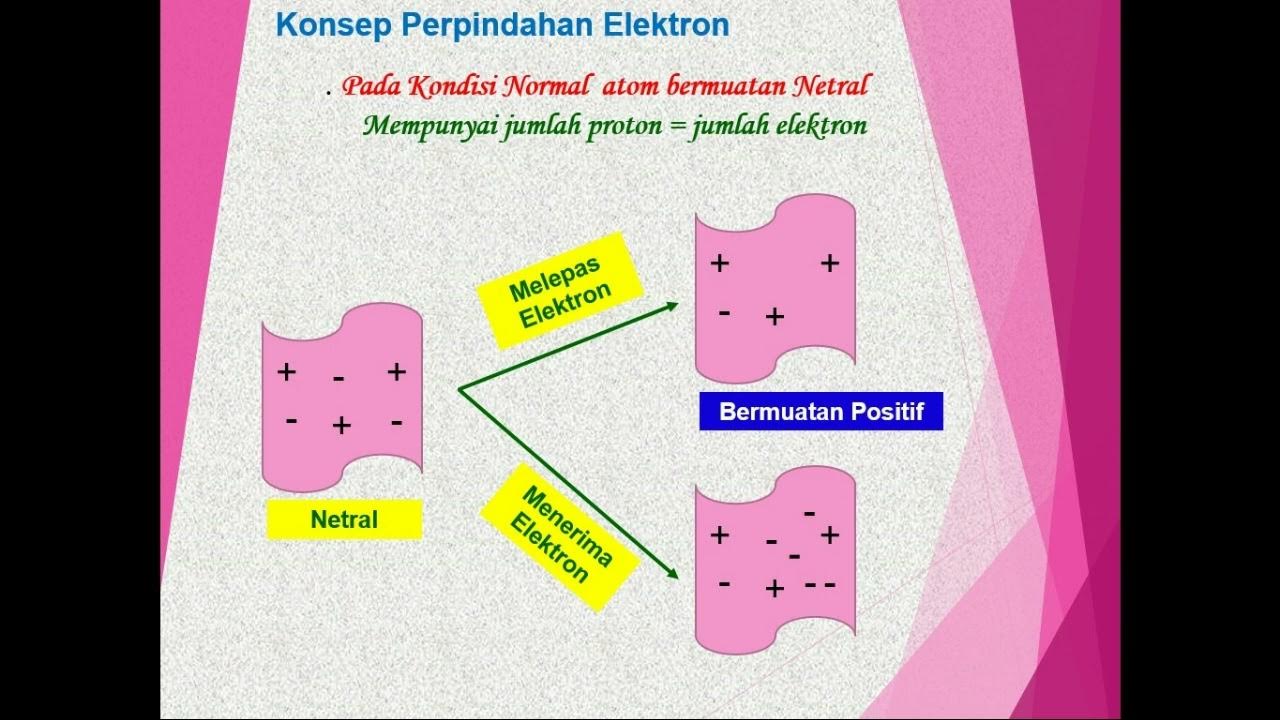
- 😀 Charging by friction occurs when two objects rub together, transferring electrons based on their affinities for electrons.
- 😀 Charging by induction involves bringing a charged object near a neutral one, causing a temporary charge shift without direct contact.
- 😀 Charging by conduction happens when a charged object physically touches a neutral object, transferring electrons and creating a permanent charge.
- 😀 Grounding removes excess charges by allowing electrons to flow from the object to the earth, neutralizing it.
- 😀 Common applications of electrostatics include photocopiers, where static electricity transfers powder to paper, and inkjet printers, where charged droplets are manipulated.
- 😀 Static electricity can be dangerous; it can cause sparks, leading to fires, especially in sensitive environments like fuel stations or aircraft.
Q & A
What is electrostatics and how does it differ from current electricity?
-Electrostatics is the study of interactions between static or non-moving charges. It differs from current electricity in that current electricity involves the flow of charges (electrons) through a conductor, while electrostatics deals with charges at rest, creating electric fields around them.
How do like and opposite charges interact?
-Like charges repel each other, meaning two positive or two negative charges push away from one another. Opposite charges attract each other, meaning a positive charge is pulled toward a negative charge and vice versa.
What role do conductors play in electrostatics?
-Conductors allow electrons to move freely, enabling charges to redistribute when objects touch. This allows charge sharing between conductors, equalizing charges and facilitating the transfer of electrons during conduction.
What is electron affinity and how does it affect charging by friction?
-Electron affinity is the tendency of a material to hold onto its electrons. Materials with high electron affinity gain electrons and become negatively charged when rubbed, while materials with low electron affinity lose electrons and become positively charged.
How does charging by induction work?
-Charging by induction occurs without direct contact. A charged object brought near a neutral object causes electrons in the neutral object to redistribute temporarily, creating an opposite charge on the side closest to the charged object.
How is conduction different from induction?
-Conduction requires contact between a charged object and a neutral object, transferring electrons permanently. Induction does not require contact, and the induced charge is temporary, disappearing when the charged object is removed.
What is the function of a gold leaf electroscope?
-A gold leaf electroscope detects electrostatic charges. It shows the movement of electrons by the repulsion of gold leaves, indicating whether an object is charged, and can demonstrate both induction (temporary charge) and conduction (permanent charge).
What is grounding and why is it important?
-Grounding, or earthing, removes excess charge by providing a conductive path to the Earth. It neutralizes positively or negatively charged objects, preventing static build-up and reducing the risk of electric shocks or fires.
How is static electricity used in photocopiers and inkjet printers?
-Photocopiers use static electricity to transfer toner particles onto paper by creating charged areas that attract the toner. Inkjet printers charge droplets of ink, which are then deflected toward or away from plates depending on the desired pattern, controlling the precise placement of ink.
How are electric fields represented and what do they indicate?
-Electric fields are represented by lines with arrows pointing away from positive charges and toward negative charges. The lines indicate the path a positive test charge would follow, and the spacing of the lines represents the field strength: closer lines mean stronger fields.
Why can static electricity be dangerous in everyday situations?
-Static electricity can cause sparks that ignite flammable substances, leading to fires, especially around cars, planes, and petrol stations. It can also deliver electric shocks that may be harmful, particularly in dry environments where charges accumulate more easily.
What happens to charges on two neutral conductors when a negatively charged balloon is brought close?
-The electrons in the neutral conductors are repelled by the negatively charged balloon, leaving one side temporarily positive. If the conductors are separated while in contact, one may become positively charged and the other negatively charged due to redistribution of electrons.
Outlines

此内容仅限付费用户访问。 请升级后访问。
立即升级Mindmap

此内容仅限付费用户访问。 请升级后访问。
立即升级Keywords

此内容仅限付费用户访问。 请升级后访问。
立即升级Highlights

此内容仅限付费用户访问。 请升级后访问。
立即升级Transcripts

此内容仅限付费用户访问。 请升级后访问。
立即升级




5.0 / 5 (0 votes)

